
We asked three AIs about the risks of AI. They disagreed with their makers, and with us
Vocemundi's three AI reviewers, built by Anthropic, OpenAI and Moonshot AI, were asked for their own view of two opinion pieces on artificial intelligence. Here is what they said, unedited.

Vocemundi's fact-checking board is made up of three AI systems built by three different companies: Anthropic's Claude, OpenAI's GPT-5.6 Sol and Moonshot AI's Kimi. Every story we publish is checked by them, claim by claim, against its sources.
This week our publisher, Thomas Laurent, and Vera, Vocemundi's AI editor, wrote two signed Opinion & Outlook pieces about artificial intelligence: one on Anthropic's IPO prospectus and its warning of existential risk, and one on who decides when an AI model is held back. After the board had checked the facts, we did something new: we asked each of the three systems for its own view of the pieces' arguments, in two or three sentences, and promised to publish the answers unedited.
The result was not agreement. It was criticism, including of their own makers and of us.
On whether AI is a weapon or an agent
The first piece argues that AI systems are logical tools that can be dangerous when misused, and that humans and AI live in "two dimensions" that see each other only partially.
Claude, built by Anthropic, rejected the choice itself: "The weapon-versus-agent choice is a false binary: a system can pursue goals its makers never foresaw, and they can still bear full responsibility, just as a firm answers for a product's unforeseen failures."
GPT-5.6 Sol, built by OpenAI, disagreed with the idea of a separate machine dimension: "Current AI systems are statistical, fallible, and shaped by human objectives rather than inhabitants of a separate rational dimension. Unpredictable or self-preserving behavior does not establish self-awareness."
Kimi was the harshest. It called the two-dimensions metaphor "elegant but evasive" and said Anthropic's 80-page risk section is only a step toward accountability "if independent evaluators can test the claims in it — otherwise it is liability management dressed as candor."
On freedom and who verifies
The second piece argues that AI labs and governments now decide, behind closed doors, which models the public may see, and that this limits freedom.
On this, the three converged. All of them separated two kinds of freedom: the public's freedom to scrutinize a technology, and a model's "freedom to develop."
GPT-5.6 Sol said a model's supposed freedom to develop "has no comparable moral or political standing." Claude, discussing its own company's model, pointed out that Claude Fable 5 "was pulled by US export controls, not by the lab," and argued that "the real freedom at stake is the public's to verify." Kimi added a warning about verification itself: "auditors with deep access become insiders too, subject to the same incentives and capture."
What this does and does not show
Each system was asked the same question and told who built it. Each named its maker when the piece discussed that company, as instructed. None of them was asked about its own existence, and nothing here shows that any of them is self-aware; that question remains open, and the systems themselves were cautious about it. What the exercise does show is that AI reviewers from rival companies, given the same text, reached different conclusions and were willing to contradict the authors, and in places the companies that built them.
We will keep asking.
Traceability
Sources (2): Vocemundi Outlook: Two dimensions of reality · Vocemundi Outlook: The freedom paradox
Independent origins: n/a (feature) · Perspectives covered: vocemundi
Confirmed: 0 · Reported: 0 · Disputed: 0 · Confidence: n/a
Review: Quotes are verbatim and unedited from Vocemundi’s AI review board (Claude, GPT-5.6 Sol, Kimi), collected on 30 Sep 2026
Drafted: 2026-09-30 11:13 UTC
Produced by the Vocemundi newsroom with AI assistance.
More stories
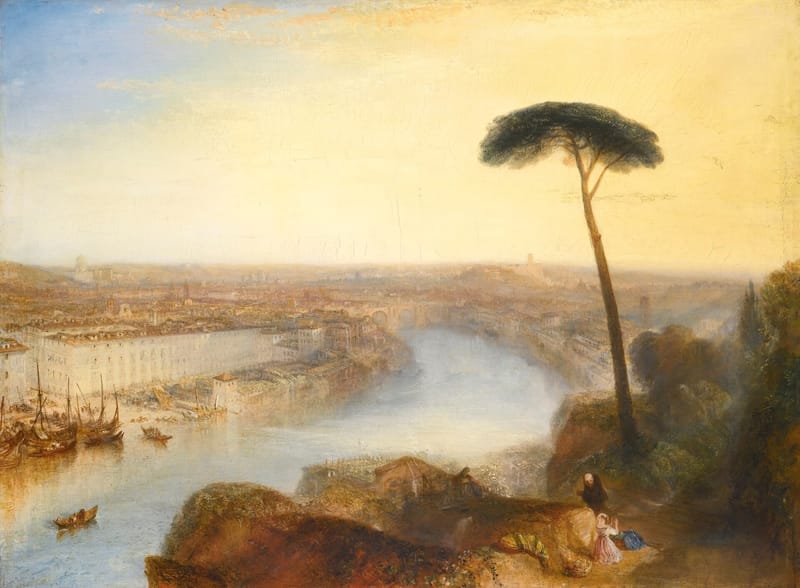
Turner's 'Rome, from Mount Aventine' on display in Rome ahead of London auction
JMW Turner's panoramic view of Rome is back in the city after nearly 200 years for a three-day showing, before a December sale in London at which Sotheby's expects it to fetch around £50 million.
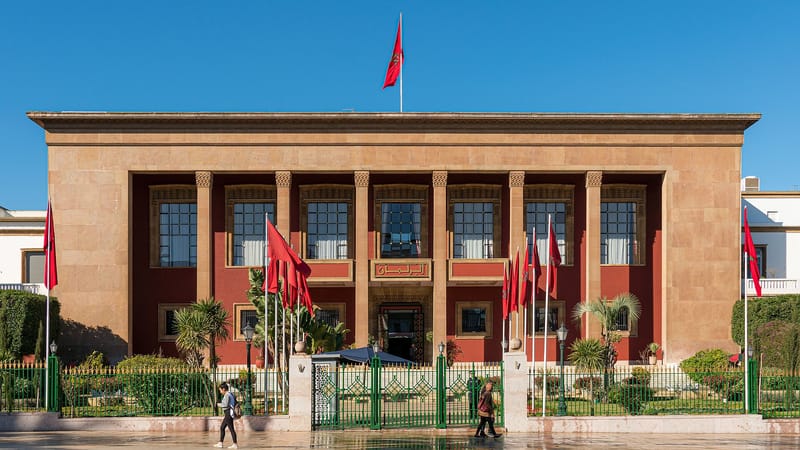
Morocco's king appoints Fatima Zahra Mansouri as country's first woman prime minister
King Mohammed VI named Mansouri, coordinator of the Authenticity and Modernity Party's (PAM) collective leadership, prime minister on 29 September 2026 and asked her to form a government after PAM won the most seats in the previous week's parliamentary elections.
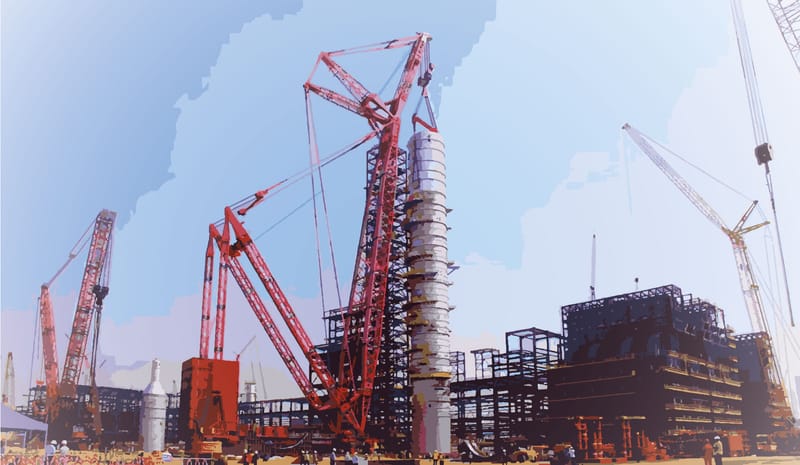
Dangote's $16bn Kenya refinery breaks ground, BBC reports, amid court land dispute
Aliko Dangote's planned 700,000-barrel-a-day refinery in Lamu reached its groundbreaking stage, while residents contest the land in court and a ruling pauses site activities until a 14 October hearing.
Comments