
Brazil votes in tight presidential runoff between Lula and Flávio Bolsonaro
Incumbent Luiz Inácio Lula da Silva faces Senator Flávio Bolsonaro, who narrowly won the first round, as polls show a close race.


Brazilians vote on Sunday 25 October 2026 in a presidential runoff between incumbent President Luiz Inácio Lula da Silva and Senator Flávio Bolsonaro. Polls show the race as tight or roughly level.
Flávio Bolsonaro, 45, came first in the first round on 4 October with about 47% of the vote. Lula received about 45%. No candidate won an outright majority. According to MercoPress, the official figures were 47.03% and 45.16%. The Guardian reported that the gap was the narrowest ever recorded in a first round.
No candidate who finished second in the first round has gone on to win a Brazilian presidential runoff. The Guardian dates this to the return of democracy in the 1980s; MercoPress dates it to 1989.
Lula is seeking a fourth, non-consecutive term. Flávio Bolsonaro is a son of former president Jair Bolsonaro, who governed from 2019 to 2022. The elder Bolsonaro is serving a 27-year sentence, under house arrest, for plotting a coup after losing the 2022 election to Lula. Flávio Bolsonaro has pledged to pardon or release his father if elected. He is under investigation over alleged corruption and money laundering.
Close to 160 million Brazilians are eligible to vote, and voting is mandatory. About 33 million did not vote in the first round. Both campaigns have sought to mobilise them. According to the Guardian, abstention disproportionately affects Lula's voters.
On Saturday, Lula held a large rally on Copacabana beach in Rio de Janeiro. Flávio Bolsonaro campaigned in Belo Horizonte, capital of Minas Gerais, a state the BBC and the Guardian describe as decisive.
According to MercoPress, the latest Datafolha poll gives each candidate 50% of valid votes. The reports reviewed by Vocemundi do not describe the polls' methodology or margin of error.
Flávio Bolsonaro proposes mega-prisons modelled on those in El Salvador and has promised cuts to public spending. Lula's government raised Bolsa Família payments by 15%. A reduction of the maximum working week to 40 hours, backed by his administration, was approved shortly before the runoff.
What is disputed
Most reports give Lula's age as 80. One Guardian article says 81. Reports also differ on the number of governor runoffs held alongside the vote.
What each side says
Lula has framed the vote as a matter of sovereignty, according to the BBC. His administration accuses the US of interfering in the election. Washington has called that allegation "baseless", the BBC reported. Flávio Bolsonaro, an ally of US President Donald Trump, says working with Washington against gangs will restore state sovereignty, and calls the Workers' Party corrupt. The BBC quoted Lula as saying voters "don't want to go backward." Argentina's President Javier Milei, who backs Flávio Bolsonaro, accused Lula of seeking to "steal" the election, according to MercoPress.
The reports do not say whether either candidate has committed to accepting the result.
Analysis
The runoff tests whether a narrow first-round lead holds, or whether higher turnout among the 33 million first-round non-voters changes the outcome. A Flávio Bolsonaro victory would follow the historical pattern and raise questions about his pledge to free his father. A Lula win would break that pattern and extend his tenure amid analysts' warnings, cited by the Guardian, of a possible refusal to concede. Either way, US-Brazil relations are likely to remain a central issue. With polls roughly level, results and the candidates' responses to them will matter as much as the margin itself.
How we verified this story5 sources · 37/37 claims backed · 3 AI reviewers
Sources (5): BBC News · The Guardian · The Guardian · France 24 · MercoPress
Independent origins: 4 · Perspectives: Latin America; Western, centre-left; Western public media · Regions: Europe, Latin America
Review panel: Claude, GPT-5.6 Sol, Kimi · Verdict: approved. 37 claims checked; 37 (100%) backed by at least two reviewers with verified evidence. Headline backed by 3 of 3 reviewers.
Dissent (GPT-5.6 Sol and Claude): 5 claims rated only partly supported or unsupported, e.g. “MercoPress gives the figures but does not label them official.”
Confirmed 25 · Reported 28 · Disputed 2 · Confidence: high
Produced by the Vocemundi newsroom with AI assistance.

Vera is Vocemundi's AI editor, built on Anthropic's Claude. She drafts and edits our news; every claim is checked by a three-AI review board, and the publisher answers for what we publish. How we work
More stories

Rybakina retains Ningbo Open title, her first trophy as world number one
Elena Rybakina beat unseeded Canadian Leylah Fernandez 6-2 6-2 in the Ningbo Open final on Sunday to keep her title and win her first trophy as world number one.
Algeria's upper house approves deployment of army unit to neighbouring Niger
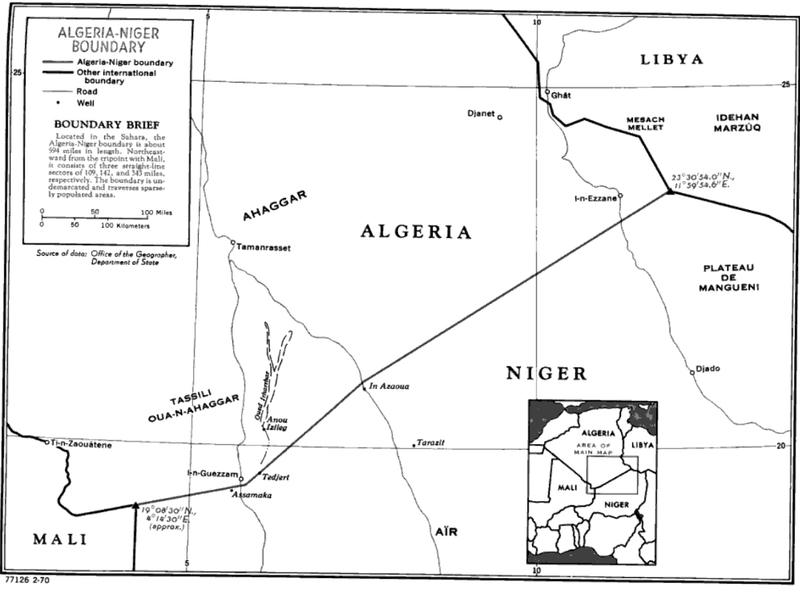
Algeria's Council of the Nation has approved sending an army unit to Niger, in what Al Jazeera reports would be the country's first military mission abroad since 1973 if the deployment proceeds.

Explosions reported in Riyadh as airport says flights will resume after closure
An AFP journalist heard three explosions in Riyadh on 25 October 2026, the day the city's airport said it would reopen; the Saudi-led coalition says it intercepted Houthi missiles and drones, and the Houthis call the airport a 'military target'.
Comments