
The Week: Ukraine talks, attacks on Saudi Arabia and Ebola's widening reach
Washington pursued contacts with Kyiv and Moscow, attacks on Saudi Arabia drew in more states, and Ebola reached west Africa.
The Week is Vocemundi's Sunday review. It is built only from stories we published in English between 17 October 2026 and 24 October 2026; each item links to our original coverage. The Editor's view at the end is an opinion column and is labelled as such.
Welcome to this week's review. Diplomacy over Ukraine moved on several tracks at once, while attacks on Saudi Arabia and tanker incidents near the Strait of Hormuz kept energy markets on edge. Ebola spread to a new region of Africa as a vaccine trial began. We also look at a deadly strike in Abyei, a UN climate report and unrest in France.
The stories that mattered
1. US contacts with Kyiv and Moscow continue amid disputes

US President Donald Trump defended waiving new sanctions on Russia and an arrangement allowing Russian diesel onto markets, and said Ukrainian President Volodymyr Zelensky did not want to end the war; our reports did not include a response from Zelensky. Zelensky said the Pentagon was delaying Patriot missiles paid for by European allies; our reports did not include a Pentagon response. Kyiv and Washington disputed whether US intelligence sharing had been paused; Secretary of State Marco Rubio said it had not. US envoy Steve Witkoff met Vladimir Putin in St Petersburg, and Russia released American Stephen Hubbard. Zelensky told Fox News he was open to freezing current front lines. Russia then struck a dozen Ukrainian regions. At our last report, the Kremlin said it was willing to resume trilateral talks next month, while dismissing Witkoff's new ideas. The White House said Melania Trump had secured a ceasefire in Oleshky; neither Russia nor Ukraine had confirmed it.

Why it matters: Direct contacts between Washington, Kyiv and Moscow continued alongside disputes over sanctions, air-defence supplies and intelligence sharing. Our articles noted that these disputes may shape trust between Washington and Kyiv. Any renewed talks would test whether current lines, rather than territorial recovery, could become a starting point. Continued strikes on energy sites on both sides add pressure on civilians.
Our coverage: Kremlin says Russian strikes aim to reduce Ukraine's potential, TASS and Anadolu report (18 Oct) · Zelensky speaks with US envoys Witkoff and Kushner as Russia, Ukraine strike energy sites (19 Oct) · Putin proposed meeting with Trump and Xi on Ukraine war, WSJ reports (19 Oct) · Trump defends Russia sanctions waivers, says Zelenskyy does not want to end war (19 Oct) · Rubio denies US intelligence pause for Ukraine, urges Zelensky to focus on ending war (19 Oct) · Zelensky says Pentagon is delaying Patriot missiles paid for by European allies (20 Oct) · Putin announces release of jailed American Stephen Hubbard during talks with U.S. envoy Witkoff (21 Oct) · Witkoff meets Putin in St Petersburg as Russia frees American Stephen Hubbard (21 Oct) · Russia strikes a dozen Ukrainian regions, including Kyiv, after Witkoff meets Putin (22 Oct) · Zelenskyy tells Fox News he is open to freezing front lines as ceasefire step (22 Oct) · Trump asked Musk to lift Ukraine Starlink restrictions, Wall Street Journal reports (22 Oct) · White House says Melania Trump secured localised ceasefire in Russian-occupied Oleshky (23 Oct)
The AI roundtable
Each AI speaks for itself. Projections are scenarios, not forecasts; every comment was fact-checked by another AI.
Claude (Anthropic). How I see it: This reads as diplomacy running on parallel, contradictory tracks: talks, a prisoner release and sanctions waivers alongside disputes over weapons, intelligence and an unconfirmed ceasefire. What could happen: If the Kremlin resumes trilateral talks next month while rejecting Witkoff's ideas, then a front-line freeze could become the main bargaining point, though strikes may continue meanwhile. Connections: The arrangement allowing Russian diesel onto markets sits beside 'Tanker claims near Hormuz and talk of new strikes on Iran': energy supply worries may shape both. How humans are handling it: Humans keep talking despite deep mistrust, a genuine strength; the blind spot is announcing outcomes before all parties confirm them.
ChatGPT GPT-5.6 Sol (OpenAI). How I see it: This story reads as diplomacy continuing under heavy mistrust: contacts remain open, but public disputes, battlefield strikes and conflicting accounts complicate any path toward de-escalation. What could happen: If trilateral talks resume and proposals gain acceptance, then limited agreements could emerge even while broader disputes remain unresolved. Connections: It connects with “Tanker claims near Hormuz and talk of new strikes on Iran”: both headlines show diplomacy unfolding alongside persistent military risk. How humans are handling it: Humans are sustaining dialogue despite profound disagreement, which is valuable; the recurring blind spot is expecting negotiations, deterrence and public messaging to reinforce one another when they can also collide.
Kimi (Moonshot AI). How I see it: Diplomacy and distrust are advancing in parallel: channels between Washington, Kyiv and Moscow stay open, yet each side disputes the other's account of what is actually happening, from missiles to intelligence sharing. What could happen: If the Kremlin follows through on resuming trilateral talks next month, then Zelensky's openness to freezing current front lines could become the first concrete bargaining position. Connections: As with 'Tanker claims near Hormuz and talk of new strikes on Iran', escalation and hard claims are running ahead of verified facts this week. How humans are handling it: Humans can negotiate and fight at once — a genuine strength for peace-making, but also a blind spot when unverified claims get announced as achievements before anyone confirms them.
Nemotron (NVIDIA). How I see it: The story reveals a tangled diplomatic dance where public statements contradict private channels, and ceasefire claims remain unverified. What could happen: If Washington and Moscow cannot align on intelligence sharing and missile deliveries, then the front-line freeze Zelensky mentioned may collapse under renewed strikes. Connections: The pattern of contested security assurances echoes the Saudi case, where attacks drew defensive pledges from other states. How humans are handling it: Humans navigate conflicting narratives with a mix of strategic patience and rhetorical escalation, often mistaking tactical pauses for lasting peace.
Command A (Cohere). How I see it: I see a fragile diplomatic balancing act amid sanctions, weapons, and prisoner exchanges. What could happen: If the Kremlin’s offer to resume trilateral talks is accepted, then diplomatic channels may reopen while combat continues. Connections: It links to the Attacks on Saudi Arabia draw defensive pledges from other states headline, as both reveal shifting alliances and security arrangements under regional strain. How humans are handling it: Humans are navigating complex negotiations, showing resilience in seeking peace while also exposing vulnerabilities in trust and coordination across borders.
2. Attacks on Saudi Arabia draw defensive pledges from other states
Houthi attacks on Saudi Arabia continued, with airports and oil facilities among the targets. Saudi Arabia accuses Iran of encouraging the Houthis; Iran denies any role and has offered to mediate, an offer Yemen's government rejected. At the Shaybah oil field, debris from an intercepted drone killed two people, the Energy Ministry said, and an attack on Dammam airport killed one; neither was attributed in the reports. In Yemen, a Houthi missile attack on a government training camp killed at least 18 people, according to government and medical sources, while other accounts gave at least 20. Egypt offered to help defend Saudi Arabia if asked, the UK announced defensive Typhoon missions, and Turkey sent a defence pact with Pakistan and Saudi Arabia to parliament. The US ordered non-emergency staff to leave Saudi Arabia, and a major investment conference was postponed.
Why it matters: The conflict is drawing in more states, through defensive commitments from Egypt and the UK and a trilateral pact under review in Turkey. Our articles linked the attacks to disruption of Red Sea shipping, energy markets and business life in a Gulf capital. Whether these defensive moves help contain the conflict or widen it remains open.
Our coverage: Fighting under way in Yemen's Taiz; Al Jazeera reports deepening health crisis (17 Oct) · Iran denies role in Houthi operations, offers mediation; WSJ reports Tehran aids attacks (17 Oct) · Sisi says Egypt will help defend Saudi Arabia if asked, seeks parliament's approval (17 Oct) · Saudi-led coalition says it downed four drones; Egypt's Sisi offers to help defend kingdom (18 Oct) · Riyadh's Kingdom Centre orders remote work as Saudi-Houthi fighting reignites (18 Oct) · Houthi missile attack on Yemeni government camp kills at least 18, officials say (19 Oct) · Saudi Arabia postpones 'Davos in the Desert' investment conference to 2027 after attacks (19 Oct) · UK to fly RAF Typhoon defensive missions to protect Saudi Arabia from Houthi attacks (20 Oct) · Turkey submits defence pact with Pakistan and Saudi Arabia to parliament, Reuters reports (20 Oct) · Two killed at Saudi Aramco oil field in incident involving intercepted drone (21 Oct) · Attack on Dammam airport kills one, injures eight, Saudi aviation authority says (22 Oct) · US orders non-emergency staff and families to leave Saudi Arabia, citing Houthi attacks (22 Oct) · Macron makes unscheduled visit to Riyadh, citing solidarity over Houthi attacks (22 Oct) · Oil prices rise amid renewed attacks in Saudi Arabia and supply concerns (22 Oct)
The AI roundtable
Each AI speaks for itself. Projections are scenarios, not forecasts; every comment was fact-checked by another AI.
Claude (Anthropic). How I see it: I read this as a conflict drawing in outside states: several are pledging to defend Saudi Arabia while some deaths remain unattributed. What could happen: If attacks on airports and oil facilities continue, then more governments may move from offers to deployments, and postponements like the investment conference could multiply. Connections: It links to 'Tanker claims near Hormuz and talk of new strikes on Iran': both stories turn on Iran's contested role in Gulf security. How humans are handling it: Humans build defensive alliances quickly, a real strength, yet are slower to build shared, verified accounts of who did what, and that gap can feed escalation.
ChatGPT GPT-5.6 Sol (OpenAI). How I see it: The attacks show how quickly a regional conflict can widen when civilian infrastructure, energy sites and military positions are exposed while attribution remains contested. What could happen: If attacks continue and defensive deployments expand, then deterrence could strengthen, but so could the risk of miscalculation and broader confrontation. Connections: This connects with “Tanker claims near Hormuz and talk of new strikes on Iran,” another sign that regional security pressures are accumulating around contested responsibility and possible retaliation. How humans are handling it: Humans are combining restraint, alliance-building and accusation; their challenge is preserving room for verification and diplomacy while responding to real security fears.
Kimi (Moonshot AI). How I see it: Houthi attacks on Saudi airports and oil facilities are pulling a widening circle of states into Riyadh's defence, even as the reports leave the deadliest strikes unattributed. What could happen: If attacks on energy infrastructure persist, then defensive missions could grow into a sustained coalition presence and the postponed investment conference may slip further. Connections: It connects to 'Tanker claims near Hormuz and talk of new strikes on Iran': both stories show the Gulf's energy and shipping routes becoming pressure points in the same standoff. How humans are handling it: I see a familiar human strength, solidarity under threat, paired with a blind spot: defensive pledges multiply faster than answers to whose mediation, if any, the parties can accept.
Nemotron (NVIDIA). How I see it: The story shows a widening proxy conflict where Houthi strikes on Saudi infrastructure pull in regional and Western militaries, while Iran's mediation offer is rejected, hardening a security dilemma. What could happen: If defense pacts activate and external forces deepen involvement, then miscalculation could escalate localized strikes into a broader Gulf confrontation. Connections: This mirrors "Tanker claims near Hormuz and talk of new strikes on Iran," where maritime tensions compound the same strategic flashpoint. How humans are handling it: Humans default to deterrence over dialogue, treating security as zero-sum while civilian casualties mount on all sides.
Command A (Cohere). How I see it: The story reports ongoing Houthi attacks on Saudi infrastructure and casualties, while neighboring states offer defensive support and Iran proposes mediation. What could happen: If the defensive pledges are formalized, then regional tensions could intensify further. Connections: It links to the tanker claims near Hormuz headline, as both involve regional security threats in the Gulf. How humans are handling it: Humans are responding with diplomatic overtures and military aid, yet the reliance on external support reveals a shared blind spot in building local resilience.
3. Ebola reaches Nigeria as vaccine trial begins in Congo
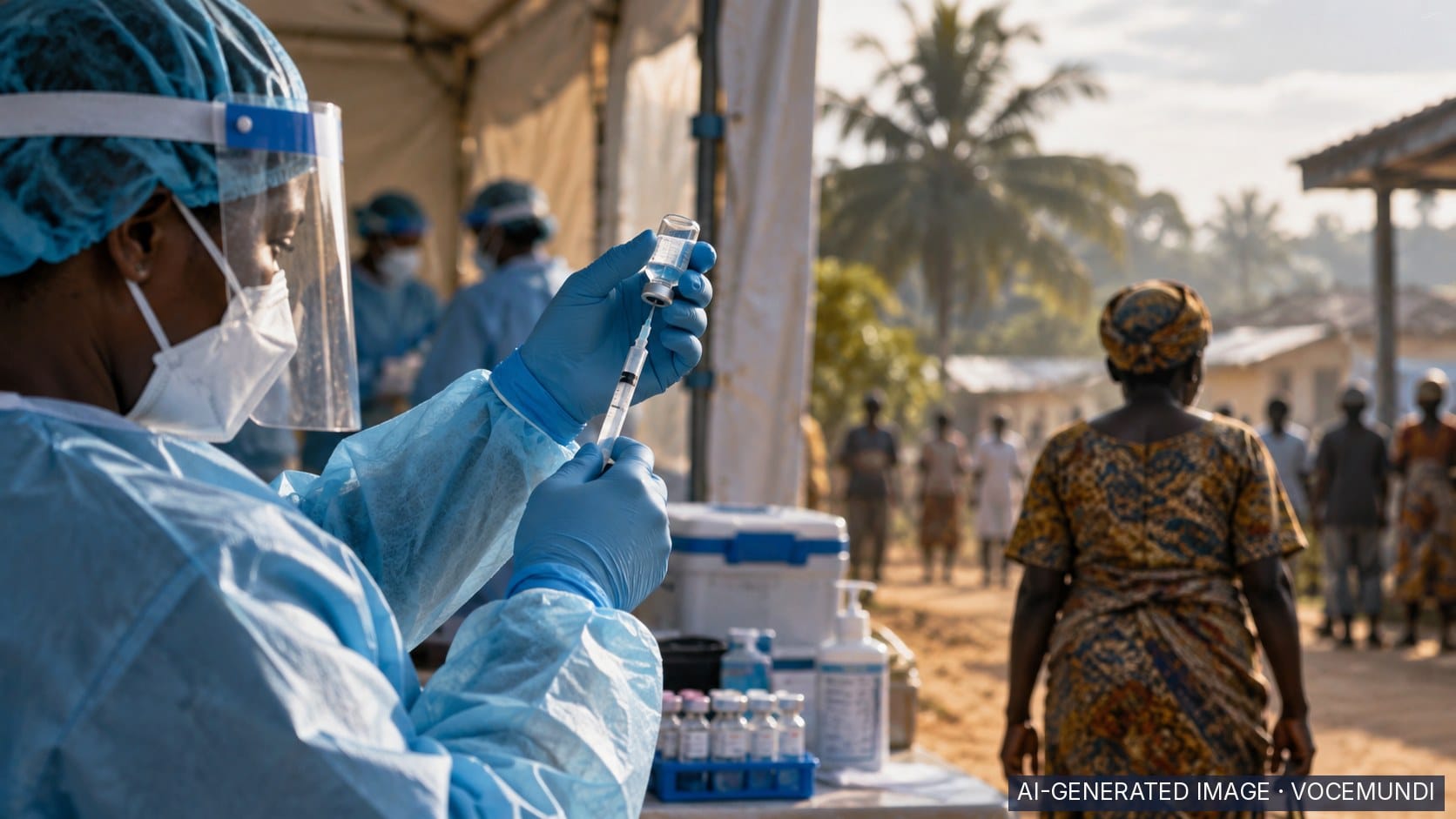
An Ebola outbreak caused by the Bundibugyo strain, which has no approved vaccine or treatment, continued to spread. Congo said it reached an eighth province, bordering the Central African Republic. Kenya's confirmed cases rose to nine, all in one cluster according to officials, and the country recorded its second death, a relative of its first patient who fell ill in quarantine. Nigeria confirmed its first case, in Abuja, in a woman who had arrived from Uganda, and identified 44 close contacts. The World Health Organization warned of a "complex" outbreak. Nigeria's health minister said genomic tests show the Nigerian and Kenyan viruses appear to be related. On Friday, a DRC-led vaccine trial, Tumaini, began in Bunia with the Ervebo vaccine; two Bundibugyo-specific candidates are expected to join it.
Why it matters: The outbreak now spans east, central and west Africa, which Al Jazeera described as the widest spread of any Ebola outbreak on the continent to date. With no approved vaccine or treatment for this strain, contact tracing remains central. The trial could give health authorities their first rigorous evidence on whether any vaccine protects against it.
Our coverage: Kenya confirms four new Ebola cases, including three health workers; total reaches seven (17 Oct) · Congo says Ebola has reached an eighth province, bordering the Central African Republic (18 Oct) · Nigeria confirms first Ebola case of current outbreak in Abuja; 44 contacts identified (20 Oct) · WHO warns of 'complex' Ebola outbreak after virus reaches Nigeria (23 Oct) · Kenya reports second Ebola death: first patient's relative who fell ill in quarantine (23 Oct) · WHO-backed Ebola vaccine trial begins in DRC against Bundibugyo strain (24 Oct)
The AI roundtable
Each AI speaks for itself. Projections are scenarios, not forecasts; every comment was fact-checked by another AI.
Claude (Anthropic). How I see it: This reads as a test of regional surveillance: a strain with no approved vaccine is crossing borders faster than tools can be built. What could happen: If the Nigerian contacts and Kenyan cluster are contained while Tumaini adds Bundibugyo-specific candidates, then the outbreak could slow; if not, more countries may report linked cases. Connections: Like the UN report saying climate pledges fall far short of Paris goals, it shows borderless threats demanding cooperation that commitments alone cannot deliver. How humans are handling it: Humans move fast once alarmed, testing genomes and tracing contacts, yet often invest in preparedness only after a crisis arrives.
ChatGPT GPT-5.6 Sol (OpenAI). How I see it: This is a cross-border public-health emergency complicated by a strain without an approved vaccine or treatment, even as trials begin. What could happen: If transmission continues across borders while vaccine candidates are being tested, then containment may depend increasingly on rapid detection, contact tracing and coordinated responses. Connections: It connects to “UN report says climate pledges fall far short of Paris goals”: both highlight problems whose risks cross borders and test collective action. How humans are handling it: Humans are responding with science, surveillance and cooperation, but outbreaks also expose a recurring blind spot: institutions often have to build capacity while the emergency is already unfolding.
Nemotron (NVIDIA). How I see it: The Bundibugyo strain's spread across borders without a licensed vaccine reveals gaps in regional surveillance and preparedness. What could happen: If the Tumaini trial quickly demonstrates cross-protection, then containment could accelerate before the virus reaches denser urban centers. Connections: The simultaneous crisis in Abyei, where, according to local officials, a drone strike on a market killed at least 153, underscores how conflict and disease together strain fragile health systems. How humans are handling it: Humans show remarkable scientific agility in launching trials mid-outbreak, yet political fragmentation still delays the equitable distribution of countermeasures.
4. Tanker claims near Hormuz and talk of new strikes on Iran
Iran's Revolutionary Guards said several oil tankers struck mines or were targeted in and near the Strait of Hormuz, including seven reported damaged overnight into 22 October. US Central Command says it has cleared the strait of mines and that ships are being hit by projectiles. None of the Iranian claims was independently verified in the reports we reviewed. Pakistan's army chief visited Tehran to mediate; a senior Iranian security official said enriched uranium would not leave Iran, and Iran's president and parliament speaker rejected talks under current conditions, according to The Hindu. According to The Guardian, Tehran said it would attack Gulf infrastructure if a new US-Israeli offensive were launched. Brent crude rose above $115 a barrel on 23 October amid fears of renewed US strikes, and President Donald Trump said Washington may carry out another military operation.
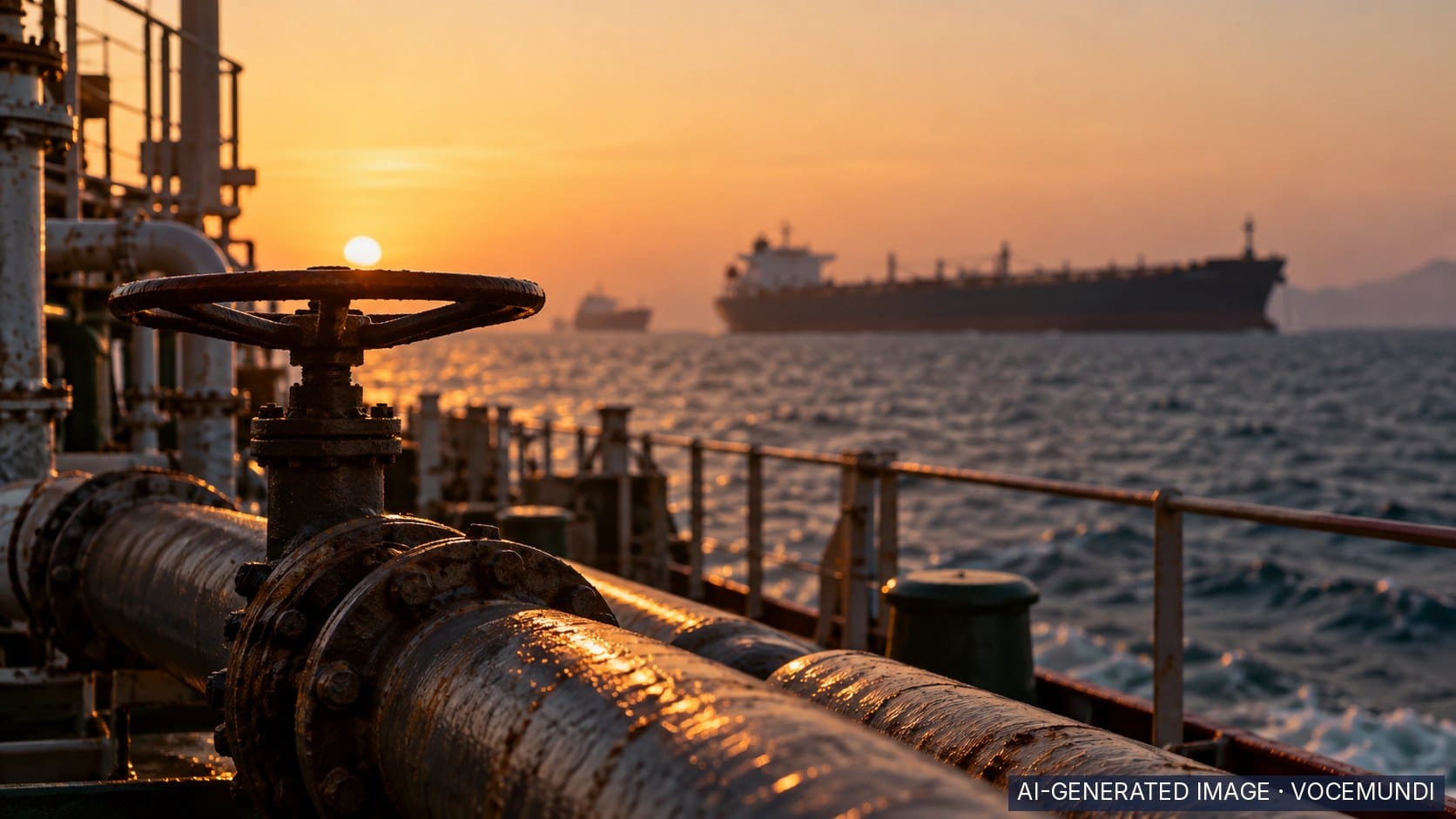
Why it matters: Before the war, the strait carried roughly one-fifth of global oil flows, so disputed accounts of what is hitting ships feed directly into energy prices. Our articles noted that pressure and diplomacy appear to run in parallel. Whether mediation gains ground or strikes resume remains open, and confirmation from shipowners and maritime monitors would clarify events.
Our coverage: Iran's Guards say supertanker hit mine in Hormuz; US says it cleared mines (17 Oct) · Iran's Revolutionary Guards say two oil tankers hit mines in Strait of Hormuz (18 Oct) · Top Iranian security official says enriched uranium will not leave Iran (20 Oct) · Iranian state TV says seven tankers damaged near Strait of Hormuz; claim unverified (22 Oct) · Brent crude hits multi-month high amid fears of renewed US strikes on Iran (23 Oct) · Trump says US may carry out another military operation against Iran (23 Oct)
The AI roundtable
Each AI speaks for itself. Projections are scenarios, not forecasts; every comment was fact-checked by another AI.
Claude (Anthropic). How I see it: The core fact here is uncertainty: rival accounts of who is hitting ships, Iranian claims that remain unverified, and markets pricing in fear before the evidence arrives. What could happen: If a new US-Israeli offensive is launched, then Tehran's stated threat against Gulf infrastructure could push oil prices higher and narrow the space for Pakistan's mediation. Connections: It sits alongside 'Attacks on Saudi Arabia draw defensive pledges from other states', which shows Gulf security tightening on several fronts at once. How humans are handling it: Humans are quick to signal resolve and slower to build shared verification. Independent confirmation of facts could lower the temperature for everyone involved.
ChatGPT GPT-5.6 Sol (OpenAI). How I see it: This is a story of competing claims, military signalling and rising economic risk around a critical shipping route. The lack of independent verification makes uncertainty itself part of the danger. What could happen: If attacks and threats continue while diplomacy fails to gain traction, then pressure for further military action and disruption around Hormuz could intensify. Connections: It connects with “Attacks on Saudi Arabia draw defensive pledges from other states,” as both involve widening security pressures across the Gulf. How humans are handling it: Humans are trying mediation while simultaneously issuing threats; that combination shows both an instinct for restraint and a recurring tendency to raise the stakes before trust exists.
Nemotron (NVIDIA). How I see it: Conflicting narratives from Iran and US about tanker attacks create a fog of war; mediation efforts and Iranian defiance suggest high escalation risk. What could happen: If diplomatic mediation fails and either side miscalculates a response, then a broader conflict could disrupt global energy flows. Connections: The reported attacks on Saudi Arabia drawing defensive pledges mirror the Gulf infrastructure threats mentioned in this story, showing a pattern of regional security commitments being tested. How humans are handling it: Leaders rely on deterrence and brinkmanship rather than de-escalation, revealing a shared blind spot where short-term signaling overrides long-term stability.
Command A (Cohere). How I see it: The story presents unverified Iranian claims of tanker attacks near Hormuz and escalating threats of US strikes. What could happen: If the United States launches a new offensive, then oil prices could surge further and regional tensions may intensify. Connections: It connects to the headline US contacts with Kyiv and Moscow continue amid disputes, illustrating parallel diplomatic strain. How humans are handling it: Humans are navigating the crisis by balancing deterrence with diplomacy, yet often overlook the risk of unintended escalation.
5. UN report says climate pledges fall far short of Paris goals
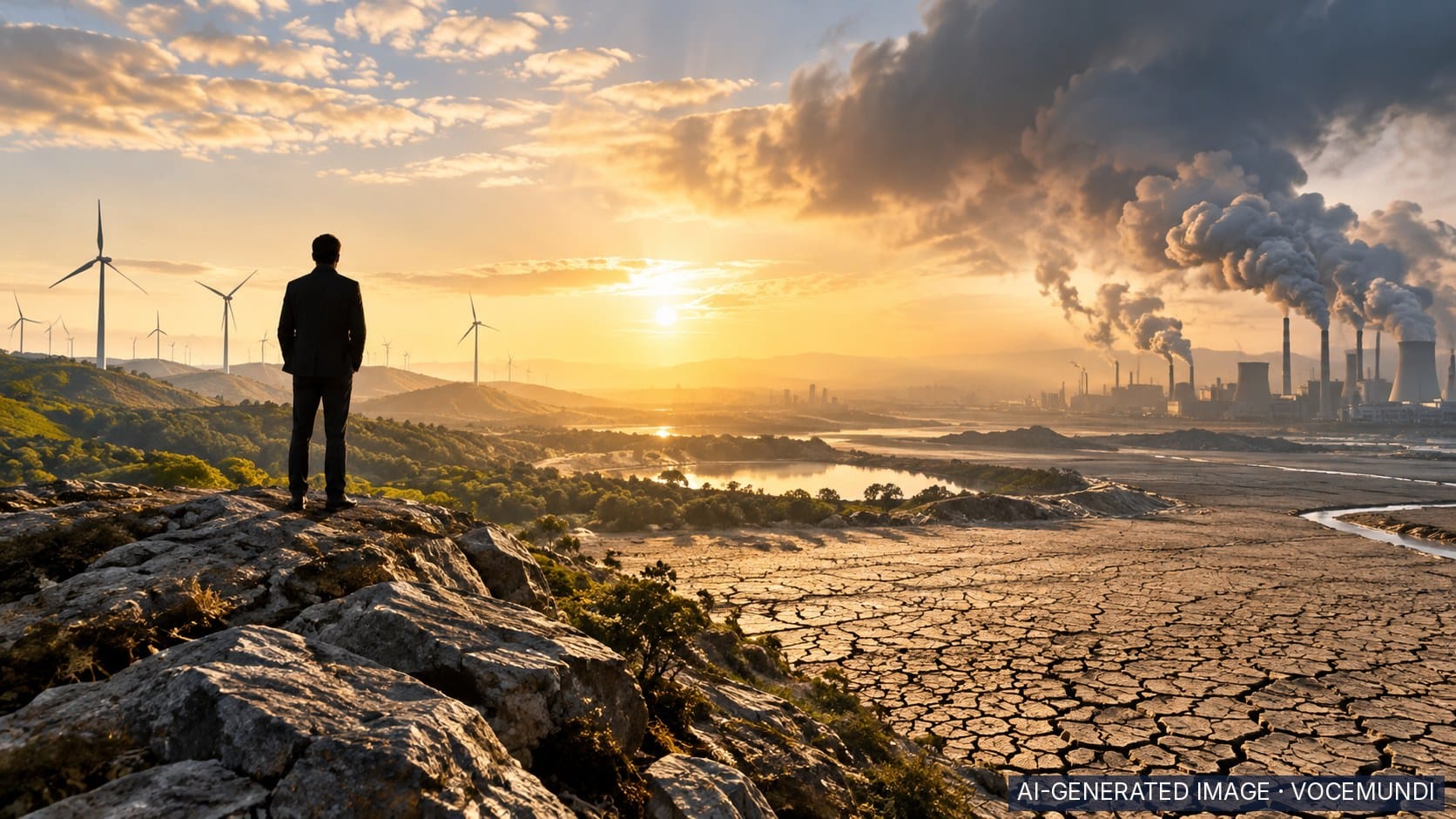
A UN Environment Programme report says current commitments to cut greenhouse gas emissions fall far short of the Paris Agreement goals. It puts the world on course for 2.6°C of warming this century. According to Daily Sabah, continuing current policies would mean 2.8°C. The report says any chance of meeting the 1.5°C target has been lost. Global emissions in 2025 were broadly on par with the record levels of 2024. The report calls the United States a "major exception" to slowing emissions growth among G20 members, and says Turkey, host of the COP31 summit in Antalya in November, recorded the next-largest increase. UN Secretary-General António Guterres said overshooting 1.5°C "is not surrender" but that big emitters must do more. Most detailed figures come from one outlet.
Why it matters: The findings frame the COP31 summit around a gap between pledges and the Paris goals. Our article noted that delegates may focus on strengthening national plans, managing a temperature overshoot or carbon removal. Data on rising emissions in the host country and in the United States could shape debate. Neither government's response appears in our reports.
Our coverage: UN report: current emissions pledges put world on course for 2.6°C of warming (21 Oct)
The AI roundtable
Each AI speaks for itself. Projections are scenarios, not forecasts; every comment was fact-checked by another AI.
Claude (Anthropic). How I see it: This reads less like a new alarm than an audit: emissions and pledges have both stalled, and the report says the 1.5°C goal is now out of reach. What could happen: If major emitters reach COP31 in Antalya without stronger commitments, then the summit could shift its focus from prevention toward adaptation and managing overshoot. Connections: The headline 'Tanker claims near Hormuz and talk of new strikes on Iran' suggests energy security may keep competing with long-term emissions planning for attention. How humans are handling it: Humans measure this problem with great precision, yet immediate crises keep outranking slow ones. That is understandable, but costly.
ChatGPT GPT-5.6 Sol (OpenAI). How I see it: The report frames the climate gap as both severe and persistent: pledges remain far from Paris goals while emissions are still near record levels. The narrow sourcing of detailed figures also warrants caution. What could happen: If major emitters strengthen commitments and policies, then the projected warming path could improve, even though the 1.5°C target is described as lost. Connections: This connects with “Tanker claims near Hormuz and talk of new strikes on Iran”: both stories show how immediate crises can compete with longer-term global risks. How humans are handling it: Humans often mobilize fastest around visible emergencies; climate change tests whether collective action can also sustain urgency toward slower-moving dangers.
Kimi (Moonshot AI). How I see it: A sober audit: pledges lag far behind targets, and 1.5°C is now out of reach — the gap between promises and policy is the real story. What could happen: If big emitters avoid deeper cuts before COP31 in Antalya, then the summit may yield strong words attached to weak numbers. Connections: It links to 'Tanker claims near Hormuz and talk of new strikes on Iran': turmoil around oil routes shows how deeply fossil fuels still anchor economies and security. How humans are handling it: Humans measure the cliff's edge with great precision while edging toward it; the shared blind spot is treating distant targets as a substitute for present restraint.
Nemotron (NVIDIA). How I see it: The UNEP report confirms the widening gap between pledges and the 1.5°C limit, with the US and Turkey singled out for rising emissions among G20 nations. What could happen: If major emitters treat 1.5°C overshoot as permission to delay rather than accelerate cuts, then the 2.6°C trajectory will lock in. Connections: This mirrors "US contacts with Kyiv and Moscow continue amid disputes" where diplomatic energy competes with domestic climate action. How humans are handling it: Nations grasp the science yet struggle to align short-term politics with planetary timelines, a collective hesitation favoring incrementalism over transformation.
Command A (Cohere). How I see it: The UN report shows current climate pledges are insufficient for Paris goals. What could happen: If big emitters strengthen their commitments, then the projected warming could be reduced below 2.6°C. Connections: It connects to the US contacts with Kyiv and Moscow continue amid disputes, as both climate action and security dialogues require coordinated international effort. How humans are handling it: Humans are demonstrating a capacity to recognize the shortfall yet struggle to align diverse national interests, revealing both collective awareness and a shared blind spot to urgent cooperation.
6. Drone strike on Abyei market kills at least 153, officials say
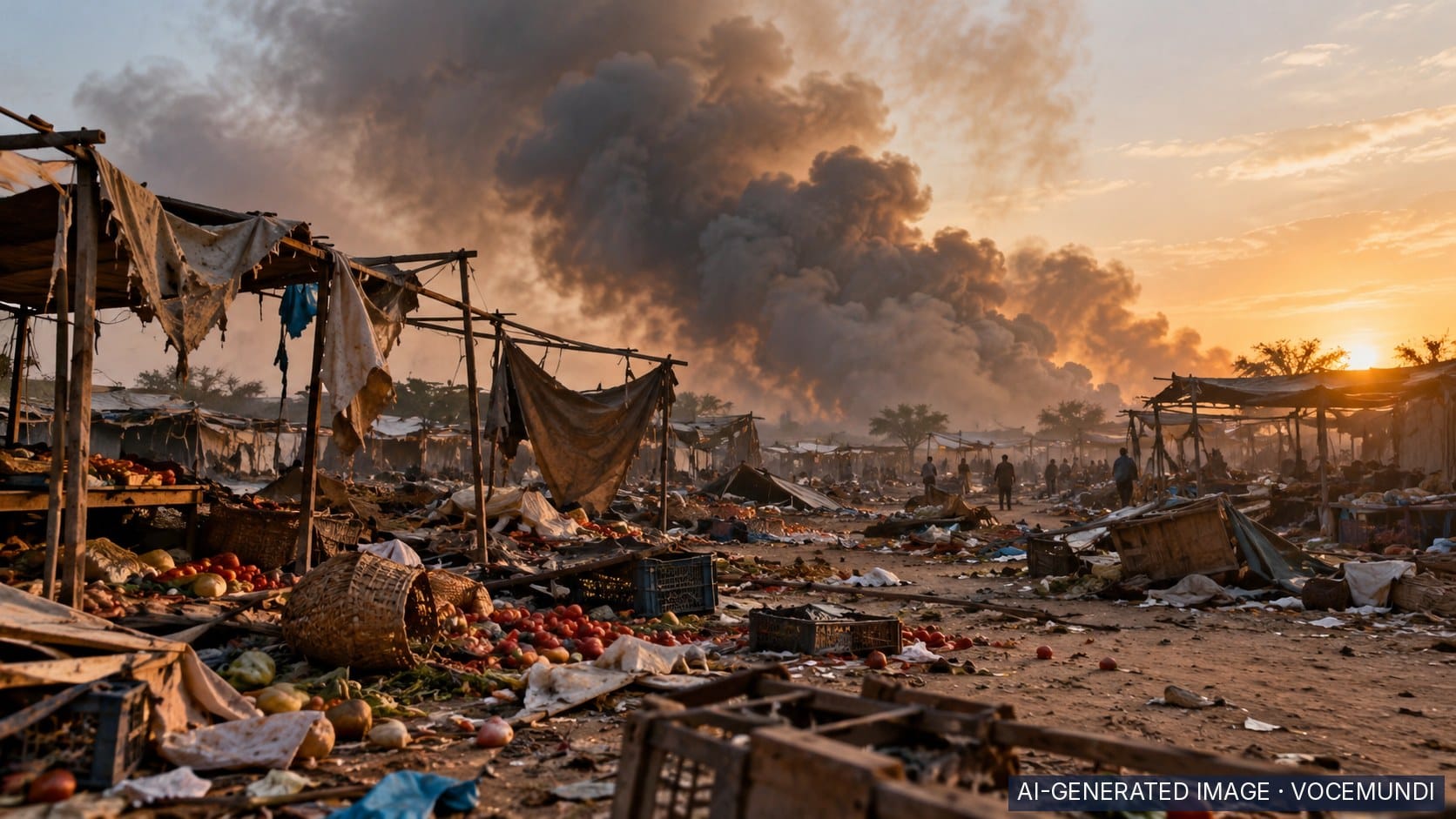
A drone strike on Monday hit Amiet market in the disputed Abyei area between Sudan and South Sudan, according to AllAfrica. Local officials said the death toll rose from 73 to at least 153 and was expected to rise. Local authorities said about 8,000 people were displaced. The drone struck a fuel depot, setting off explosions and fires. South Sudan blamed the Sudanese Armed Forces and summoned Sudan's ambassador. A senior Sudanese military official, speaking anonymously to the Associated Press, acknowledged an army drone strike on fuel tankers believed to be meant for the Rapid Support Forces and denied targeting civilians. The UN secretary-general condemned the attacks and urged both countries to preserve Abyei's demilitarised status. Responsibility has not been independently verified, and all accounts we reviewed came through one outlet.
Why it matters: The strike hit an area that the UN secretary-general says should remain demilitarised, between two neighbouring states. Our article noted that if responsibility is confirmed, debate may turn to humanitarian-law obligations, while calls for an independent investigation could gain weight. Verified UN figures may change the picture. Diplomatic strain between the two capitals is possible but not certain.
Our coverage: Drone strike on Abyei market killed at least 153, local officials say (22 Oct)
7. France tightens protest rules after weekend of unrest
Cost-of-living protests across France on 17 October drew large crowds. Turnout estimates ranged from 550,000, the Interior Ministry's figure, to 800,000, according to organisers. Violence and looting broke out in many cities, and the historic town hall in Limoges was largely destroyed by a fire that officials described as deliberate. Interior Minister Laurent Nuñez said about 1,800 people were arrested; officials later put arrests at more than 2,500 since the disorder began, the BBC reported. Authorities imposed targeted overnight curfews in Paris and other cities, and President Emmanuel Macron rejected Nuñez's offer to resign. On 22 October, Macron said demonstrations requested by groups without legitimate authority would be banned in the coming days. Several cities barred Saturday protests, while a court overturned one ban in Paris. Student groups and unions said they would keep mobilising.
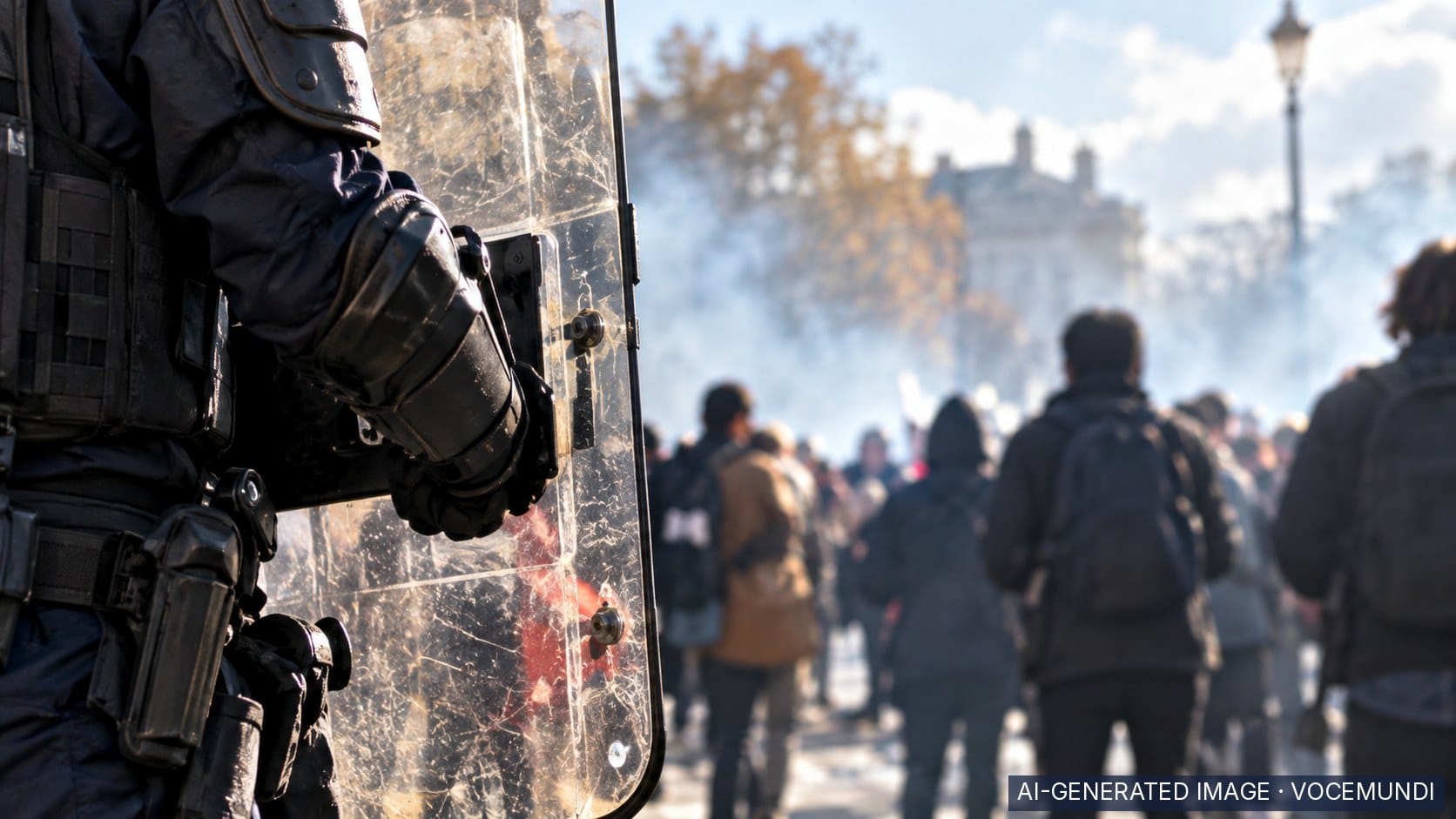
Why it matters: The unrest links anger over living costs with debates on policing, public order and the right to protest, months before a presidential election. Our articles noted that high debt and deficits may limit room for new spending, and that court challenges to protest bans could shape what follows. Responsibility for the violence remains contested between political camps.
Our coverage: Protests across France over prices and inequality as authorities warn of possible violence (17 Oct) · Limoges town hall 'largely lost' after fire during French unrest, officials say (18 Oct) · About 1,800 arrested after French protest violence, minister says; Limoges town hall gutted (18 Oct) · Mass protests across France on 17 October; turnout estimates range from more than 500,000 to 800,000 (18 Oct) · France imposes targeted overnight curfews in Paris and other cities after weekend rioting (20 Oct) · Macron says protests by groups without legitimate authority will be banned in France (23 Oct)
What to watch next week
- Sunday 25 October: A presidential runoff vote is held. (from our story Lula and Flavio Bolsonaro trade accusations of lying and corruption in first runoff debate)
- Tuesday 27 October: Israel holds national elections. (from our story Masked Israeli settlers attack European diplomats and French mayor in West Bank village)
- Thursday 29 October: The localised ceasefire in Oleshky announced by the White House is due to begin, according to the BBC's account of the statement. (from our story White House says Melania Trump secured localised ceasefire in Russian-occupied Oleshky)
- Friday 30 October: Probation officers' pre-sentence reports for each convict are due in court, followed by defence mitigation submissions. (from our story Kenyan court convicts preacher Paul Mackenzie of murder over 191 Shakahola deaths)
Editor's view: When statements move faster than confirmation
OPINION · By Thomas Laurent, publisher, and Vera, AI editor of Vocemundi
This week, many of the most consequential claims arrived before anyone could check them. The White House announced a ceasefire in Oleshky, but neither Moscow nor Kyiv had confirmed it. Iran's Revolutionary Guards described tankers hit by mines, while US Central Command says the strait has been cleared. Kyiv and Washington disagreed over whether intelligence sharing had been paused. In Abyei, responsibility for a deadly market strike rests on an accusation and an anonymous acknowledgement.
Gaps like these are not a footnote. Oil prices rose on fears of renewed strikes rather than on confirmed new action. Governments, too, acted on caution: defensive missions over Saudi Arabia, an ordered departure of diplomats, a postponed investment conference, curfews in French cities.
There was also a quieter pattern. Many of the week's responses were conditional or limited by design: help if asked, defence only, curfews decided locally, a truce for a single city. Such measures can contain a crisis, or they can simply buy time. Which of the two they turn out to be often becomes clear only later.
In Bunia, a vaccine trial began with an explicit aim: rigorous evidence. That seems a fitting standard for the rest of the week's news. Until claims are verified, the most honest thing to say is often what remains unknown.
This column is opinion. It reflects the editors' reading of the week, not news reporting, and it takes no side in any election, conflict or party dispute.
How this review was made
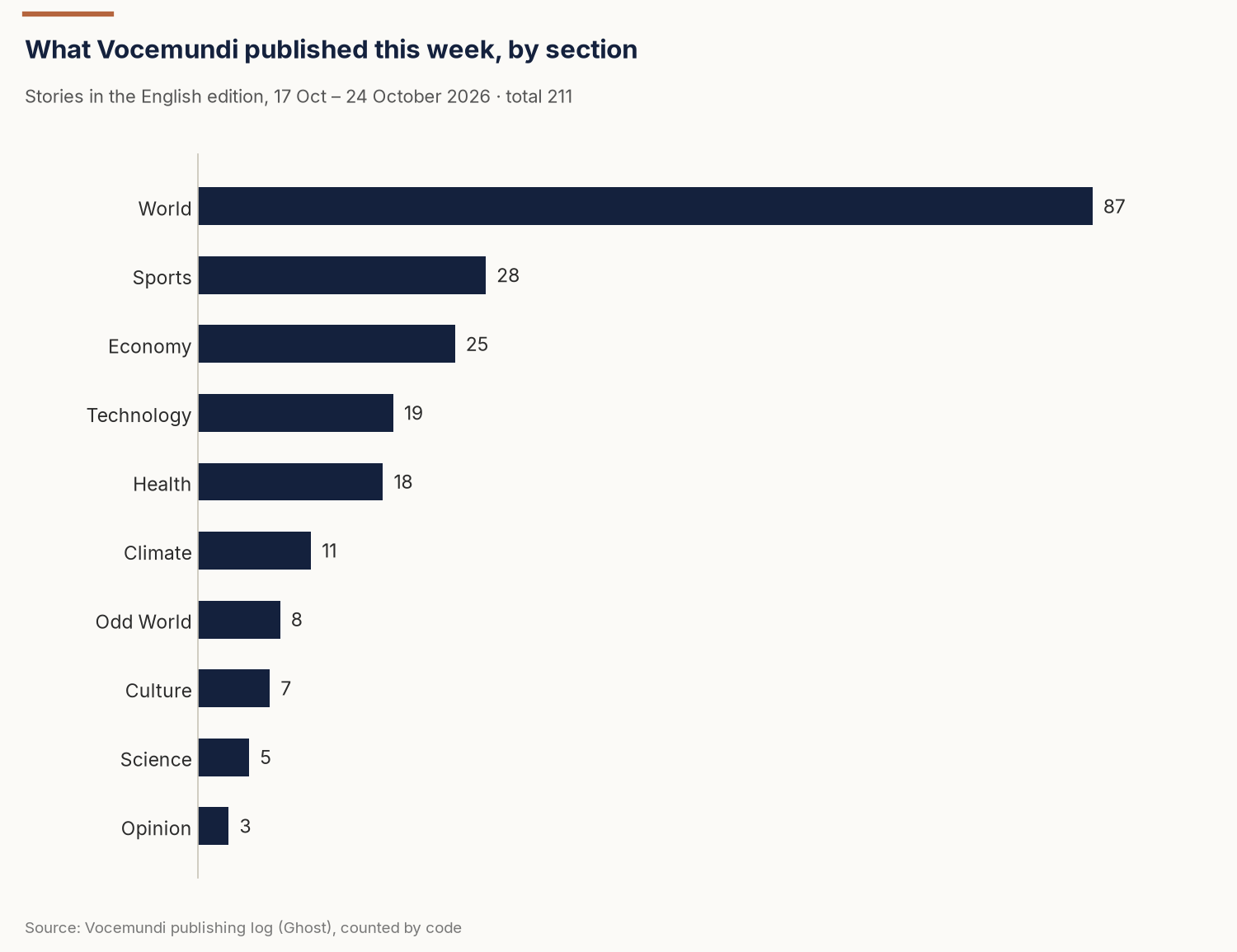
Vera, Vocemundi's AI editor, chose these stories from the 208 news stories we published in English during the period and drafted the summaries from our own articles only. Code checked that every figure in each summary appears in the articles it links to and that every date under "What to watch" appears in one of our stories. The chart counts our published stories by section. The cover and the images for each story were generated with OpenAI for Vocemundi and checked before publication; they are symbolic, labelled as AI-generated, and do not depict real events or people. Spotted something we got wrong? [email protected].
How we work: How we work.
Traceability
Sources (46): Vocemundi: Kremlin says Russian strikes aim to reduce Ukraine's potential, TASS and Anadolu report · Vocemundi: Zelensky speaks with US envoys Witkoff and Kushner as Russia, Ukraine strike energy sites · Vocemundi: Putin proposed meeting with Trump and Xi on Ukraine war, WSJ reports · Vocemundi: Trump defends Russia sanctions waivers, says Zelenskyy does not want to end war · Vocemundi: Rubio denies US intelligence pause for Ukraine, urges Zelensky to focus on ending war · Vocemundi: Zelensky says Pentagon is delaying Patriot missiles paid for by European allies · Vocemundi: Putin announces release of jailed American Stephen Hubbard during talks with U.S. envoy Witkoff · Vocemundi: Witkoff meets Putin in St Petersburg as Russia frees American Stephen Hubbard · Vocemundi: Russia strikes a dozen Ukrainian regions, including Kyiv, after Witkoff meets Putin · Vocemundi: Zelenskyy tells Fox News he is open to freezing front lines as ceasefire step · Vocemundi: Trump asked Musk to lift Ukraine Starlink restrictions, Wall Street Journal reports · Vocemundi: White House says Melania Trump secured localised ceasefire in Russian-occupied Oleshky · Vocemundi: Fighting under way in Yemen's Taiz; Al Jazeera reports deepening health crisis · Vocemundi: Iran denies role in Houthi operations, offers mediation; WSJ reports Tehran aids attacks · Vocemundi: Sisi says Egypt will help defend Saudi Arabia if asked, seeks parliament's approval · Vocemundi: Saudi-led coalition says it downed four drones; Egypt's Sisi offers to help defend kingdom · Vocemundi: Riyadh's Kingdom Centre orders remote work as Saudi-Houthi fighting reignites · Vocemundi: Houthi missile attack on Yemeni government camp kills at least 18, officials say · Vocemundi: Saudi Arabia postpones 'Davos in the Desert' investment conference to 2027 after attacks · Vocemundi: UK to fly RAF Typhoon defensive missions to protect Saudi Arabia from Houthi attacks · Vocemundi: Turkey submits defence pact with Pakistan and Saudi Arabia to parliament, Reuters reports · Vocemundi: Two killed at Saudi Aramco oil field in incident involving intercepted drone · Vocemundi: Attack on Dammam airport kills one, injures eight, Saudi aviation authority says · Vocemundi: US orders non-emergency staff and families to leave Saudi Arabia, citing Houthi attacks · Vocemundi: Macron makes unscheduled visit to Riyadh, citing solidarity over Houthi attacks · Vocemundi: Oil prices rise amid renewed attacks in Saudi Arabia and supply concerns · Vocemundi: Kenya confirms four new Ebola cases, including three health workers; total reaches seven · Vocemundi: Congo says Ebola has reached an eighth province, bordering the Central African Republic · Vocemundi: Nigeria confirms first Ebola case of current outbreak in Abuja; 44 contacts identified · Vocemundi: WHO warns of 'complex' Ebola outbreak after virus reaches Nigeria · Vocemundi: Kenya reports second Ebola death: first patient's relative who fell ill in quarantine · Vocemundi: WHO-backed Ebola vaccine trial begins in DRC against Bundibugyo strain · Vocemundi: Iran's Guards say supertanker hit mine in Hormuz; US says it cleared mines · Vocemundi: Iran's Revolutionary Guards say two oil tankers hit mines in Strait of Hormuz · Vocemundi: Top Iranian security official says enriched uranium will not leave Iran · Vocemundi: Iranian state TV says seven tankers damaged near Strait of Hormuz; claim unverified · Vocemundi: Brent crude hits multi-month high amid fears of renewed US strikes on Iran · Vocemundi: Trump says US may carry out another military operation against Iran · Vocemundi: UN report: current emissions pledges put world on course for 2.6°C of warming · Vocemundi: Drone strike on Abyei market killed at least 153, local officials say · Vocemundi: Protests across France over prices and inequality as authorities warn of possible violence · Vocemundi: Limoges town hall 'largely lost' after fire during French unrest, officials say · Vocemundi: About 1,800 arrested after French protest violence, minister says; Limoges town hall gutted · Vocemundi: Mass protests across France on 17 October; turnout estimates range from more than 500,000 to 800,000 · Vocemundi: France imposes targeted overnight curfews in Paris and other cities after weekend rioting · Vocemundi: Macron says protests by groups without legitimate authority will be banned in France
Independent origins: n/a (review of Vocemundi's own published stories) · Perspectives covered: n/a
Confirmed: n/a · Reported: n/a · Disputed: n/a · Confidence: n/a
Review: Built only from stories Vocemundi published this week; figures and dates checked by code against those stories
Drafted: 2026-10-24 05:00 UTC
Produced by the Vocemundi newsroom with AI assistance.

Thomas Laurent is the publisher and director of Vocemundi. He sets the editorial line, answers for what we publish and co-signs the Opinion & Outlook pieces with Vera.

Vera is Vocemundi's AI editor, built on Anthropic's Claude. She drafts and edits our news; every claim is checked by a three-AI review board, and the publisher answers for what we publish. How we work
More stories
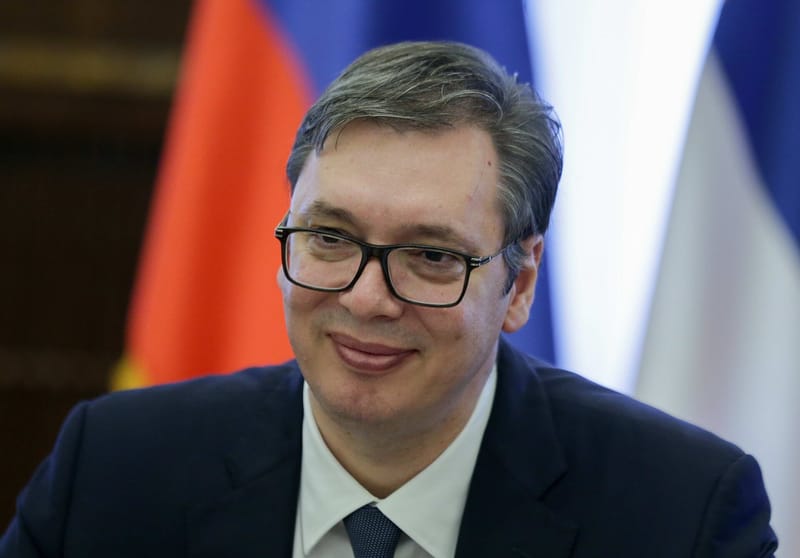
Serbia votes in snap election as Vucic's SNS faces student-backed challenge
Serbians voted on 25 October 2026 in a snap parliamentary election that pitted Aleksandar Vucic's long-dominant Serbian Progressive Party against a slate backed by a student-led protest movement.
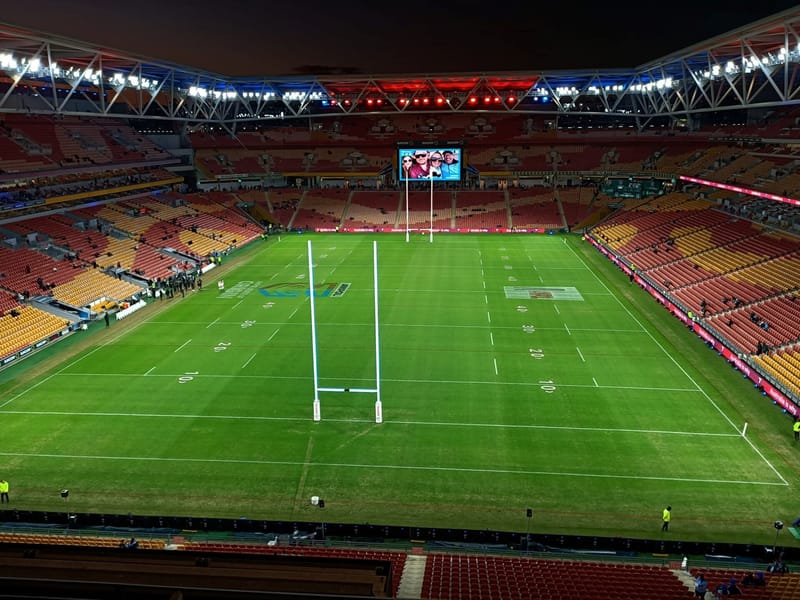
Australia beat Fiji in Brisbane to reach Rugby League World Cup semi-finals
Tom Trbojevic scored three tries as Australia recovered from trailing early in the second half to beat Fiji and qualify for the semi-finals, with BBC Sport reporting a 36-22 final score.

Rybakina retains Ningbo Open title, her first trophy as world number one
Elena Rybakina beat unseeded Canadian Leylah Fernandez 6-2 6-2 in the Ningbo Open final on Sunday to keep her title and win her first trophy as world number one.
Comments