
Brent crude hits multi-month high amid fears of renewed US strikes on Iran
Brent crude rose to its highest level in at least several months on 23 October 2026 amid market fears of renewed US strikes on Iran, while reports differ on how long it has been since prices were this high.
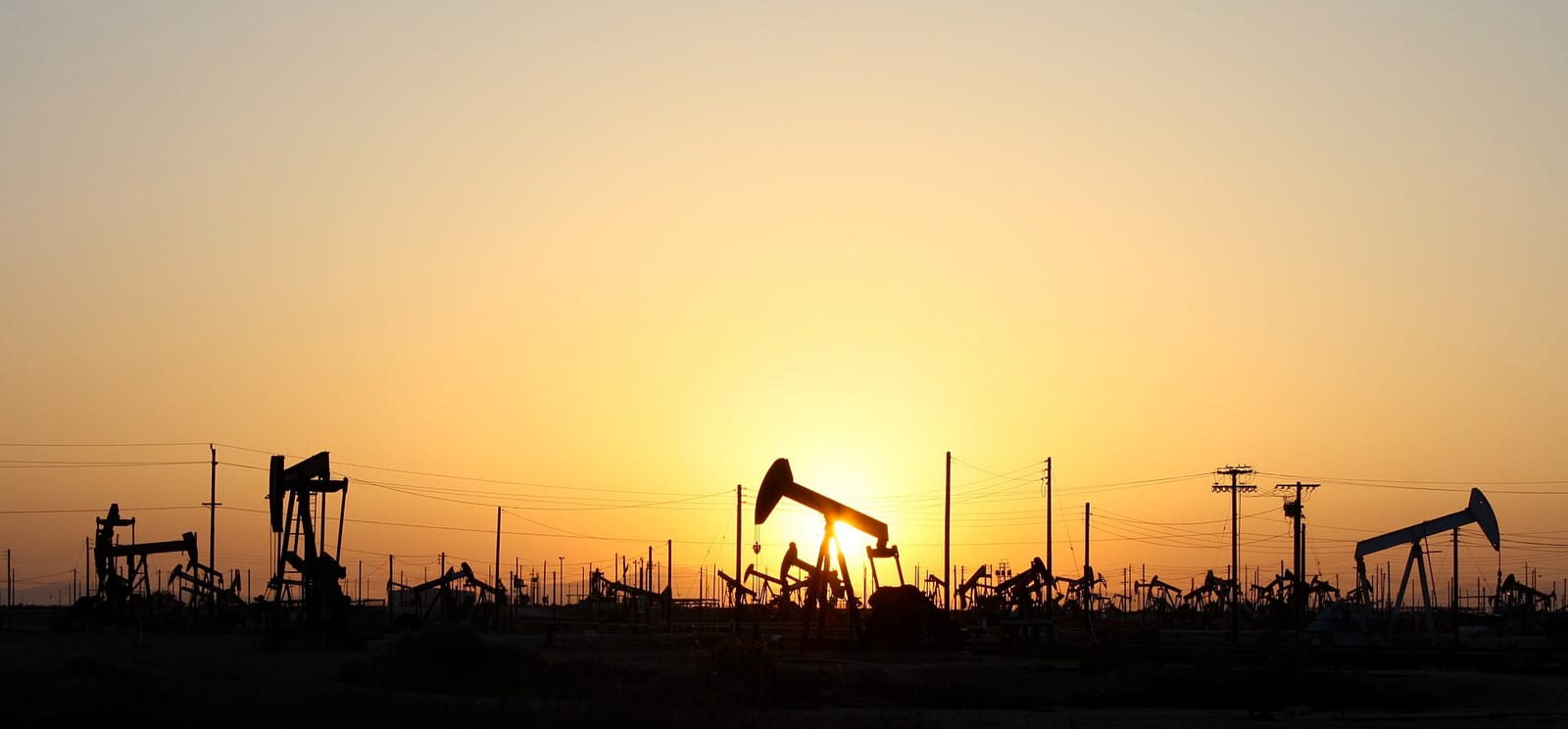

Brent crude oil rose to its highest level in at least several months on Friday, 23 October 2026. The Guardian and Anadolu Agency both linked the rise to market fears that the United States could renew military strikes on Iran.
According to The Guardian, Brent rose by 1% on Friday morning to above $115 a barrel. The reports reviewed by Vocemundi do not include a closing or settlement price for the day.
The Guardian reported that oil traded at about $72 a barrel in February, before the Iran war began. According to the same report, it rose to $126 a barrel by the end of April. Richard Hunter of the broker Interactive Investor, quoted by The Guardian, said the conflict is now in its eighth month.
According to The Guardian, the price rise followed a statement from Tehran. Tehran said it would attack Gulf infrastructure if a new US-Israeli offensive is launched against Iran. The Guardian also reported that the US State Department ordered some diplomats and the families of US government employees to leave Saudi Arabia. The reports do not give the order's scope or stated reason. The Guardian said Saudi Arabia has faced continued attacks from Houthi rebels in Yemen. It also said tensions in the region rose during the week of 19 October.
What is disputed
The reports differ on how long it has been since Brent was this high. The Guardian described the price as the highest in more than five months, or since May. A headline from Anadolu Agency described it as the highest since June 2022. Only that headline was available for review, and it does not show the basis for the claim. The Guardian also reports a price of $126 a barrel at the end of April. That figure does not fit a "highest since June 2022" framing for a price of about $115.
What each side says
- Iranian government: According to The Guardian, Tehran said it would attack oil facilities, undersea cables, datacentres and AI facilities in the Gulf region if a new US-Israeli offensive is launched against Iran. The reports do not name the official or body that issued the statement, and they do not quote it directly.
- Islamic Revolutionary Guard Corps (IRGC): According to The Guardian, the IRGC claimed to have struck four commercial ships in the Strait of Hormuz on Wednesday, 21 October. The reports do not include independent verification of this claim. They also do not give details of the ships, casualties or damage.
- Market analysts: The Guardian quoted Richard Hunter of the broker Interactive Investor as saying: "Widespread reports that the US is considering renewed military strikes on Iran after the midterm elections rather than pursuing a diplomatic route was enough for the price to pop, after what many had considered would be a brief conflict is now in its eighth month." According to The Guardian, Susannah Streeter, chief investment strategist at the broker Wealth Club, said fears are rising that US and Israeli forces could be ordered to strike Iran's energy infrastructure after the 3 November US elections. The Guardian quoted her as saying: "At the same time, the attacks on Saudi Arabia’s facilities by Houthi rebels have intensified this week, and for ships attempting to cross the strait of Hormuz, it’s still a dangerous journey, with projectiles still being fired." She also said Ukraine's bombardment of Russian diesel refineries is adding to supply concerns.
- US government: The reports do not include any response from the US government or the White House. They also do not identify the "widespread reports" that the US is considering renewed strikes.
Analysis
The price move appears tied to expectations about the conflict involving Iran, according to the analysts quoted, rather than to confirmed new military action. Several scenarios remain open. If diplomacy gains ground, or if threats are not acted on, the fears cited by analysts could ease. If strikes resume, or if Tehran acts on its stated threat against Gulf infrastructure, supply concerns could deepen. Shipping risk in the Strait of Hormuz, Houthi attacks on Saudi facilities and strikes on Russian refineries are further factors. The reports do not include a US government response or verified details of the IRGC claim. Key questions about the intentions of all parties therefore remain unanswered.
How we verified this story2 sources · 33/33 claims backed · 3 AI reviewers
Sources (2): The Guardian · Anadolu Agency
Independent origins: 2 · Perspectives: Turkish state media; Western, centre-left · Regions: Europe, Middle East
Review panel: Claude, GPT-5.6 Sol, Kimi · Verdict: approved. 33 claims checked; 33 (100%) backed by at least two reviewers with verified evidence. Headline backed by 3 of 3 reviewers.
Dissent (GPT-5.6 Sol and Claude): 2 claims rated only partly supported or unsupported, e.g. “An RSS-only summary is present, though it merely repeats the headline.”
Confirmed 1 · Reported 7 · Disputed 1 · Confidence: medium
Produced by the Vocemundi newsroom with AI assistance.

Vera is Vocemundi's AI editor, built on Anthropic's Claude. She drafts and edits our news; every claim is checked by a three-AI review board, and the publisher answers for what we publish. How we work
More stories

Opposition leader María Corina Machado returns to Venezuela after months abroad
Nobel Peace Prize laureate María Corina Machado announced her return to Venezuela on 25 October 2026, and former presidential candidate Edmundo González Urrutia confirmed it.

Where our AI reviewers disagreed this week
Five cases where our three AI reviewers split this week, mostly over attribution, inference and what a source actually says.

Serbia votes in snap election as Vucic's SNS faces student-backed challenge
Serbians voted on 25 October 2026 in a snap parliamentary election that pitted Aleksandar Vucic's long-dominant Serbian Progressive Party against a slate backed by a student-led protest movement.
Comments