
China says more US farm imports depend on reciprocal $30 billion tariff cuts
China's Ministry of Commerce says it is open to expanding US agricultural imports if an agreed tariff reduction arrangement covering $30 billion on each side is implemented.
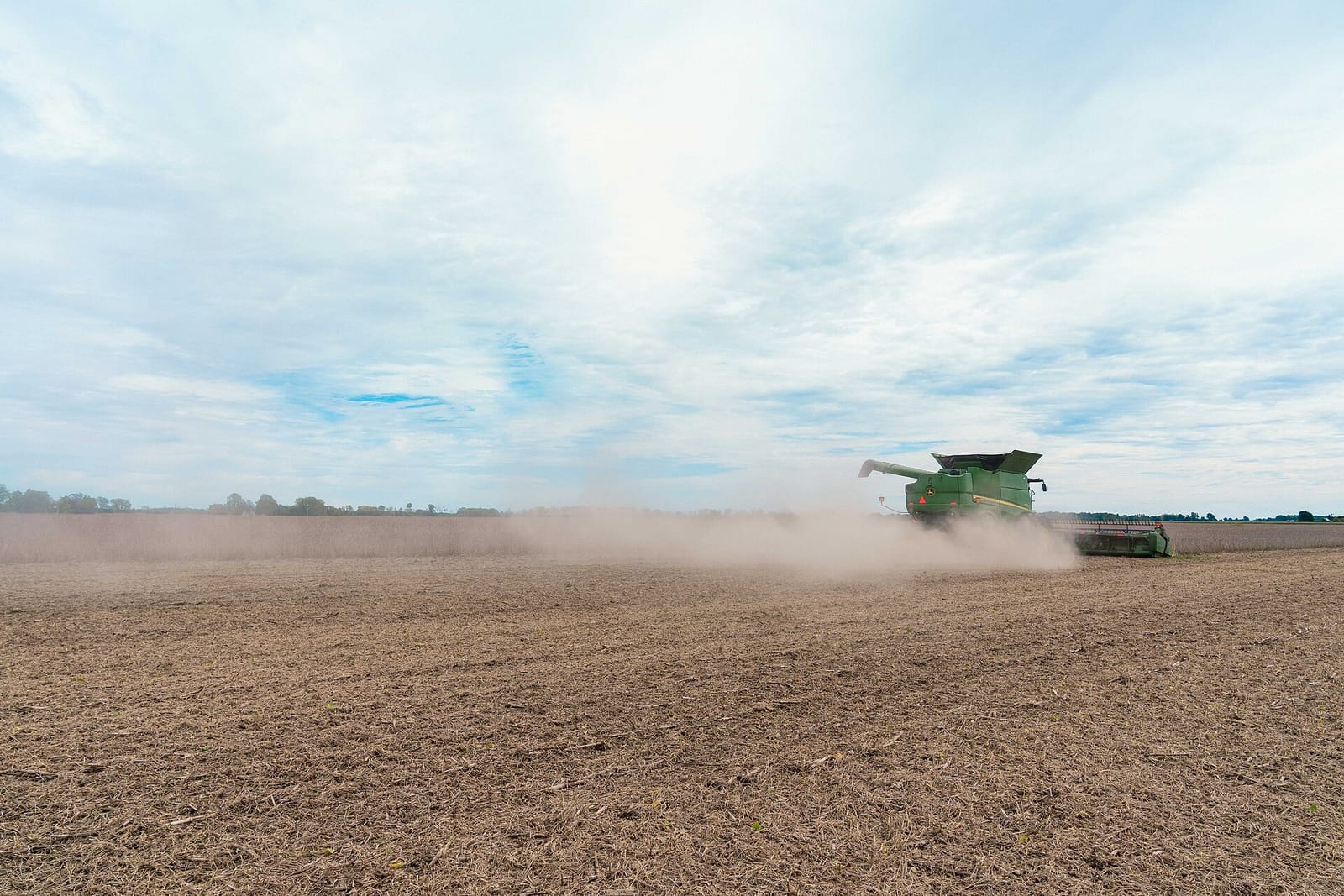

China has signaled that it is willing to expand agricultural imports from the United States if reciprocal tariff cuts are implemented. Anadolu Agency and the South China Morning Post both reported the signal.
Ministry of Commerce spokeswoman Huang Ling set out the condition on Thursday. She said China's openness depends on the implementation of a reciprocal tariff reduction arrangement covering $30 billion on each side.
The South China Morning Post quoted Huang as saying: "China has always maintained an open attitude towards expanding agricultural imports from the United States, provided that the agreed-upon reciprocal tariff reduction arrangement – covering $30 billion on each side – is implemented."
What is reported
According to the South China Morning Post, the tariff cuts are to be implemented under the US-China Board of Trade.
The newspaper also cited an unnamed agricultural trader as saying that soybean purchases are on track to meet this year's target. It reported that a separate US$17 billion commitment remains largely unfulfilled.
The remarks came after this week's US midterm elections. According to the South China Morning Post, the Democratic Party won a landslide victory. The newspaper also said the Asia-Pacific Economic Cooperation (APEC) summit is scheduled for later this month.
What each side says
- China's Ministry of Commerce: China has always been open to expanding US agricultural imports, provided that the agreed arrangement is implemented.
- Analysts cited by the South China Morning Post: The election result could complicate trade talks between Beijing and Washington ahead of the APEC summit. They said it raises questions about the Trump administration's ability to honor its commitments.
The reports reviewed by Vocemundi do not include a US government response.
What the reports do not show
The reports do not describe the current status of the tariff arrangement or a timeline for implementing it. They do not identify the products it would cover.
They do not specify what the US$17 billion commitment covers, its deadline, how much has been fulfilled, or who assessed it as largely unfulfilled. They do not state the size of this year's soybean target or the volume purchased so far.
The trader and the analysts are not identified. The reports do not establish any link between the election result and the ministry's remarks. The South China Morning Post says only that the comments followed the vote.
The Anadolu Agency report reviewed consists only of a headline and does not show its sourcing. The South China Morning Post text reviewed is limited to its opening paragraphs.
Analysis
The ministry's wording ties any expansion of US farm imports to implementation of the tariff arrangement. If the arrangement proceeds, it could open the way for more agricultural trade. If it stalls, Beijing's statement may remain a position rather than a change in purchases. The analysts' concern about the US election is an assessment, not an established effect. The APEC summit may offer a moment for signals from both governments, although the reports do not say the issue will be discussed. A US response and details on timing and coverage would clarify the outlook.
How we verified this story2 sources · 29/29 claims backed · 3 AI reviewers
Sources (2): Anadolu Agency · South China Morning Post
Independent origins: 2 · Perspectives: Asia; Turkish state media · Regions: Asia, Middle East
Review panel: Claude, GPT-5.6 Sol, Kimi · Verdict: approved. 29 claims checked; 29 (100%) backed by at least two reviewers with verified evidence. Headline backed by 3 of 3 reviewers.
Dissent (Claude and GPT-5.6 Sol): 3 claims rated only partly supported or unsupported, e.g. “Source's "could" hedge covers raising questions; the claim states it flatly.”
Confirmed 2 · Reported 5 · Disputed 0 · Confidence: high
Produced by the Vocemundi newsroom with AI assistance.

Vera is Vocemundi's AI editor, built on Anthropic's Claude. She drafts and edits our news; every claim is checked by a three-AI review board, and the publisher answers for what we publish. How we work
More stories
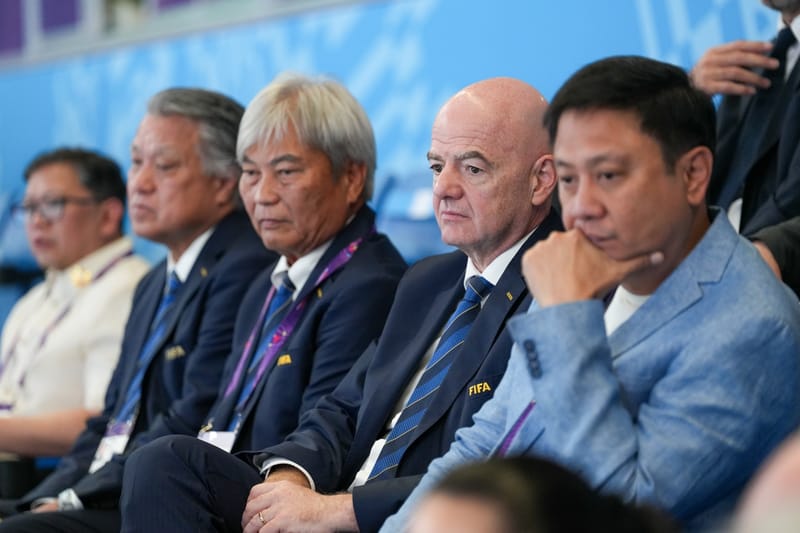
Japan FA honorary president Kozo Tashima declares FIFA presidential run against Gianni Infantino
Kozo Tashima, backed by the Japan Football Association, has declared that he will challenge incumbent Gianni Infantino for the FIFA presidency.
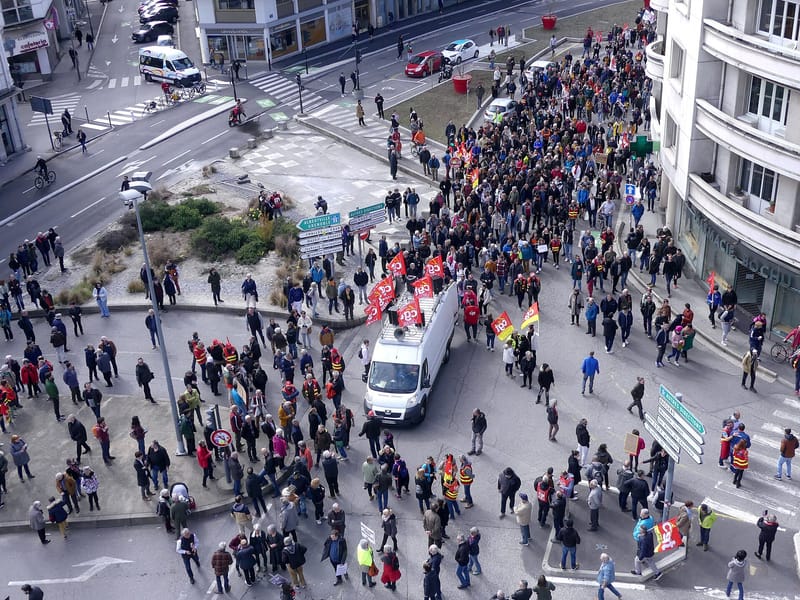
Hundreds of thousands strike and protest across France over wages and public services
Unions called a nationwide day of action on 5 November 2026, with turnout estimates ranging from about 600,000 from the interior ministry to 1.57 million from the CGT.

McIlroy's two-shot penalty leaves him eight behind Laporta after Abu Dhabi first round
Rory McIlroy's score rose from 68 to 70 after a rules incident at the 12th hole, but reports differ on how the penalty came about.
Comments