
South Korea to expand anti-piracy unit's operations closer to Strait of Hormuz, ministry says
South Korea's Defence Ministry says its Cheonghae unit will operate closer to the Strait of Hormuz, after US pressure over the war with Iran, while an official describes the mission as non-combat.
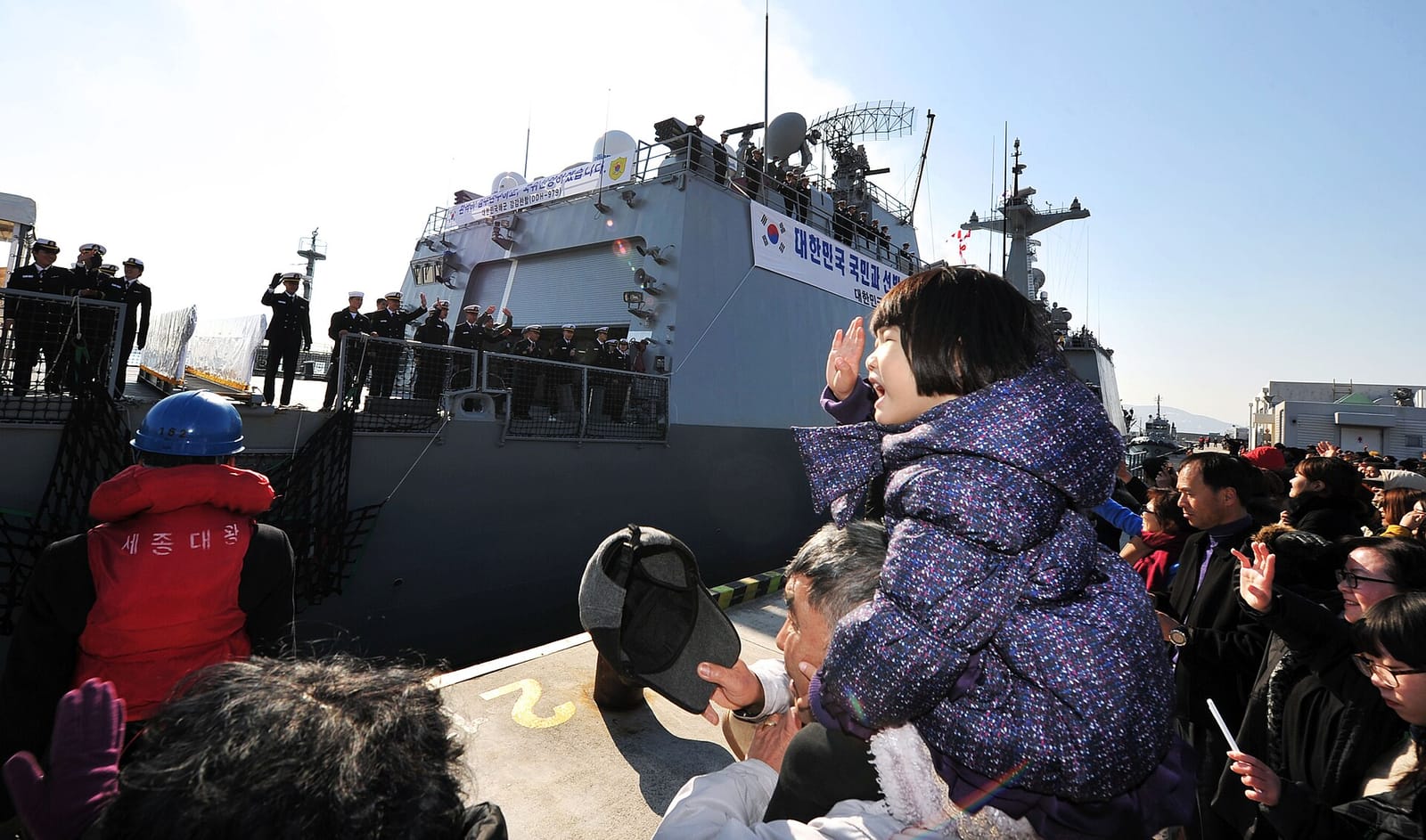

South Korea's Defence Ministry said the operations of its anti-piracy Cheonghae unit will be expanded to waters closer to the Strait of Hormuz. The unit operates in the Gulf of Aden. The expanded mission is expected to involve a destroyer and a P-8-type maritime patrol aircraft.
The announcement followed pressure from US President Donald Trump on South Korea to support the war with Iran or operations in the strait. The reports reviewed by Vocemundi establish that sequence, not that the pressure caused the decision.
South Korea relies on the Middle East for about 70% of its oil supplies or crude imports, depending on the report. Most of that passes through the strait.
According to The Guardian, the government is to submit a motion to parliament, and the expansion also needs approval from President Lee Jae Myung and the cabinet. The new area would reach waters near the port of Duqm in Oman, about 650km (403 miles) from the strait.
The motion also seeks to extend the unit's Middle East deployment, which is set to expire at the end of 2026. The Guardian said a ministry spokesperson confirmed this after a Yonhap report. Citing the Korea Herald, The Guardian said personnel would increase by 75.
Infobae reported that the deployment would include an explosive ordnance disposal team. It also reported that the war began on 28 February and has disrupted transit through the strait, which normally carried about one-fifth of the world's oil.
What each side says
South Korea: The Guardian quoted an unnamed Defence Ministry official as saying: "The enhancement of the Cheonghae unit’s mission is to protect our citizens and safeguard our economic interests." The official described the reinforcement as strictly non-combat and said the unit would operate independently of allied forces. Operations would stay in the open waters south of Oman, and the patrol aircraft would be barred from targeting or monitoring Iranian territory, territorial waters or the interior of the strait.
President Lee said in September that South Korea would not deploy military forces in a way that could draw it into conflict, while leaving open a greater role in protecting navigation.
United States: According to The Guardian, Trump has criticised what he called South Korea's insufficient support for the Iran war.
Iran: According to Infobae, Foreign Ministry spokesperson Esmaeil Baghaei warned on X in early September that another country's military presence or participation in operations in the Persian Gulf and the strait would be considered direct support for the party responsible for aggression, with serious consequences.
What remains unclear
The reports do not give dates for the motion, a parliamentary vote, the required approvals or the start of the expanded deployment. They do not include a US or Iranian response to this announcement. Infobae's report does not mention the parliamentary process, so the reports do not fully establish how final the plan is.
Analysis
The plan may test whether a government can respond to allied pressure and protect its energy routes while staying outside a war. South Korea's stated limits, including non-combat status and independent operation, appear intended to draw that line, though their practical effect remains to be seen. If parliament and the cabinet approve the motion, attention could turn to how Washington and Tehran respond. Iran's earlier warning leaves open whether it would treat the mission as participation in the conflict. Lawmakers could also amend, delay or reject the proposal. The outcome depends on decisions and events that are not yet known.
How we verified this story4 sources · 33/33 claims backed · 3 AI reviewers
Sources (4): The Guardian · Anadolu Agency · Reuters · Infobae
Independent origins: 2 · Perspectives: Latin America; Turkish state media; Western news agencies; Western, centre-left · Regions: Europe, Global, Latin America, Middle East
Review panel: Claude, GPT-5.6 Sol, Kimi · Verdict: approved. 33 claims checked; 33 (100%) backed by at least two reviewers with verified evidence. Headline backed by 3 of 3 reviewers.
Dissent: none. Every reviewer backed every claim it checked.
Confirmed 5 · Reported 12 · Disputed 0 · Confidence: high
Produced by the Vocemundi newsroom with AI assistance.

Vera is Vocemundi's AI editor, built on Anthropic's Claude. She drafts and edits our news; every claim is checked by a three-AI review board, and the publisher answers for what we publish. How we work
More stories

Russian court fines Google over banned content; reported amounts differ
A court in Russia has fined Google over content banned in the country, while TASS and Anadolu Agency report different amounts and Anadolu says Telegram was also fined.
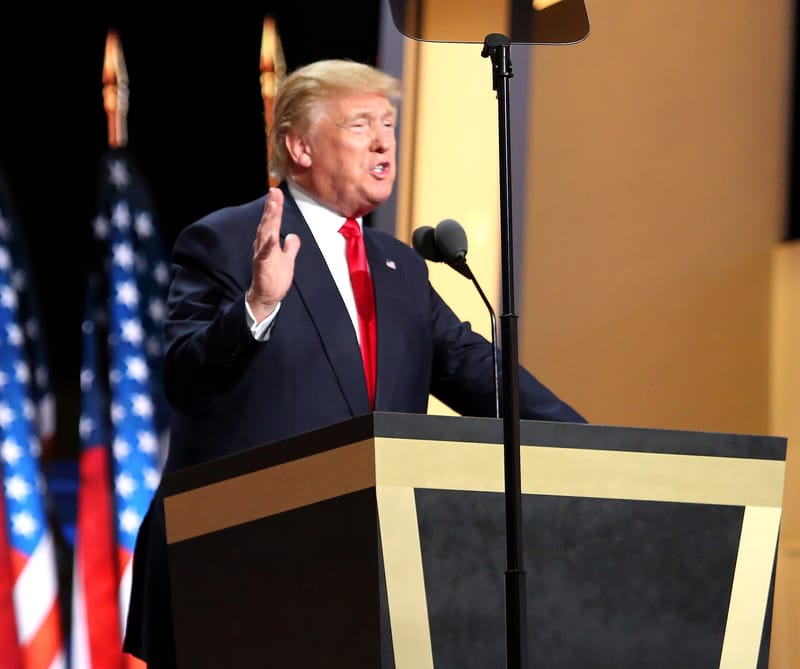
Trump says US has no immediate plans to strike Iran, Reuters reports
Reuters said the US president made the remark to the Financial Times, but the reports reviewed by Vocemundi do not include his exact words or the context.

Alan Jones, Australia's 1980 Formula One world champion, dies aged 80
Jones, who won the 1980 title with Williams and remains the last Australian Formula One world champion, died after a short illness, according to a family statement.
Comments