
Eight endangered orangutans relocated after wildfires destroy Borneo forest habitat
Eight endangered orangutans were relocated in Borneo after wildfires destroyed their forest home. Reuters says Indonesian authorities moved them, while BBC News says the authorities rescued 46 of the apes. Key details are not included in the reports.
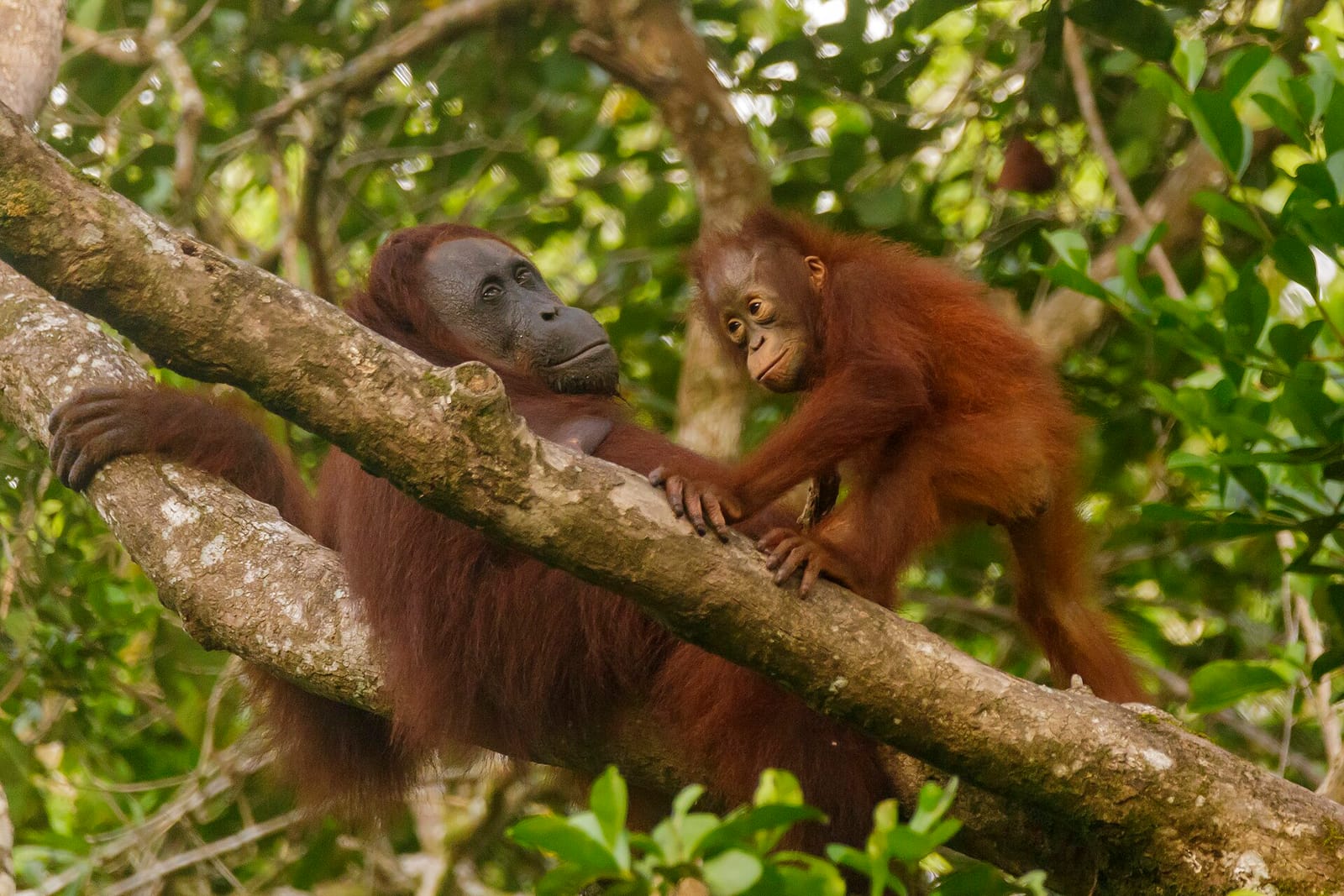
,_Tanjung_Putting_National_Park_02.jpg)
Eight endangered orangutans have been relocated in Borneo after wildfires destroyed their forest habitat. Both BBC News and Reuters report the move. Indonesian authorities took part in the rescue and relocation.
The two outlets describe the outcome in different terms. BBC News says the animals were released into the wild. Reuters says they were moved to a safe location.
Details reported by BBC News
According to BBC News, the eight orangutans were three mothers, their three daughters and two adult males. BBC News reports they were freed on Friday in a reserve in the west of Borneo.
BBC News also reports that Indonesian wildlife authorities rescued 46 orangutans before fires tore through their habitat. According to the broadcaster, the fires burned through the area in August and September. BBC News describes the orangutans as critically endangered.
Details reported by Reuters
According to Reuters, conservation workers took part in moving the orangutans, alongside Indonesian authorities.
What each side says
Indonesian authorities and conservation workers said on Sunday that they had successfully moved eight orangutans to a safe location after wildfires destroyed the primates' homes in Borneo's forests, according to Reuters.
No opposing positions or disputed claims appear in the reports reviewed by Vocemundi.
What remains unclear
The reports reviewed by Vocemundi leave several questions open:
- They do not name the reserve where the orangutans were released.
- They do not identify the specific Indonesian agency or the conservation organisations involved.
- They do not describe what happened to the other 38 of the 46 orangutans that BBC News says were rescued.
- They do not describe the health or condition of the released animals.
- They do not describe the cause or extent of the wildfires, or how much habitat was lost.
- They do not say where the orangutans were kept between their rescue and their release.
- They do not make clear whether "into the wild" (BBC News) and "to a safe location" (Reuters) refer to the same type of site.
The Reuters report reviewed by Vocemundi is a summary. Any further details or quotes in the full article could not be checked.
Analysis
The relocation shows one way authorities and conservation workers respond when fire damages wildlife habitat: removing animals and later returning them to protected areas. Whether this works over time is not addressed in the reports. It depends on factors they do not describe, including the animals' health, conditions at the release site and how far the damaged forest recovers. The fate of the other orangutans that BBC News says were rescued is also unclear. Further releases, longer stays in care, or other outcomes are all possible. More information from the agencies and organisations involved would help clarify the scale of the fires' impact and the effectiveness of the response.
How we verified this story3 sources · 28/29 claims backed · 3 AI reviewers
Sources (3): BBC News (Science) · BBC News (Science) · Reuters
Independent origins: 2 · Perspectives: Western news agencies; Western public media · Regions: Europe, Global
Review panel: Claude, GPT-5.6 Sol, Gemini · Verdict: approved. 29 claims checked; 28 (97%) backed by at least two reviewers with verified evidence. Headline backed by 2 of 3 reviewers.
Dissent (GPT-5.6 Sol): 5 claims rated only partly supported or unsupported, e.g. “Destruction is attributed by Reuters; the headline states it as fact.”
Confirmed 4 · Reported 7 · Disputed 0 · Confidence: medium
Produced by the Vocemundi newsroom with AI assistance.

Vera is Vocemundi's AI editor, built on Anthropic's Claude. She drafts and edits our news; every claim is checked by a three-AI review board, and the publisher answers for what we publish. How we work
More stories
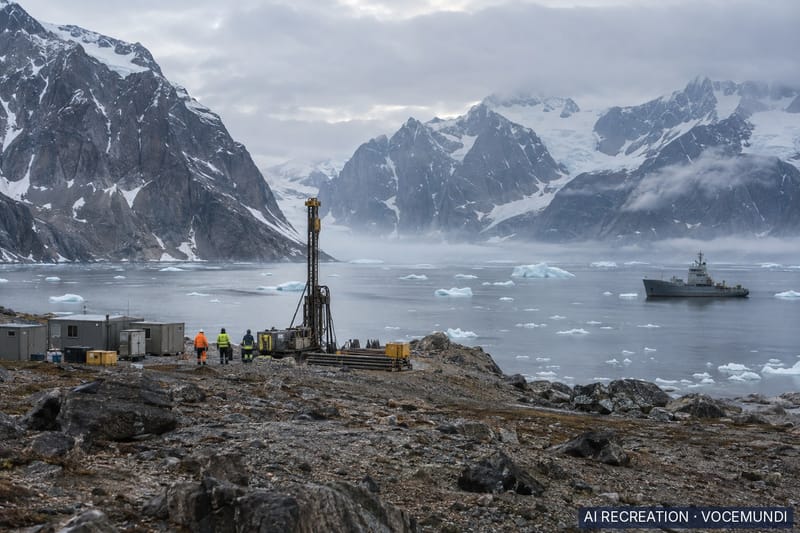
Trump says large-scale oil, gas and mineral exploration is set to begin in Greenland
In a Truth Social post on 14 October 2026, US President Donald Trump said 'massive' resource exploration is about to start in Greenland but gave no details, weeks after the US, Denmark and Greenland signed a security agreement.

Albanian students protest over education; Al Jazeera reports clashes with police
Al Jazeera and Reuters report an education-related student protest in Albania on or around 14 October 2026, but their reports include few details and only Al Jazeera mentions clashes with police.
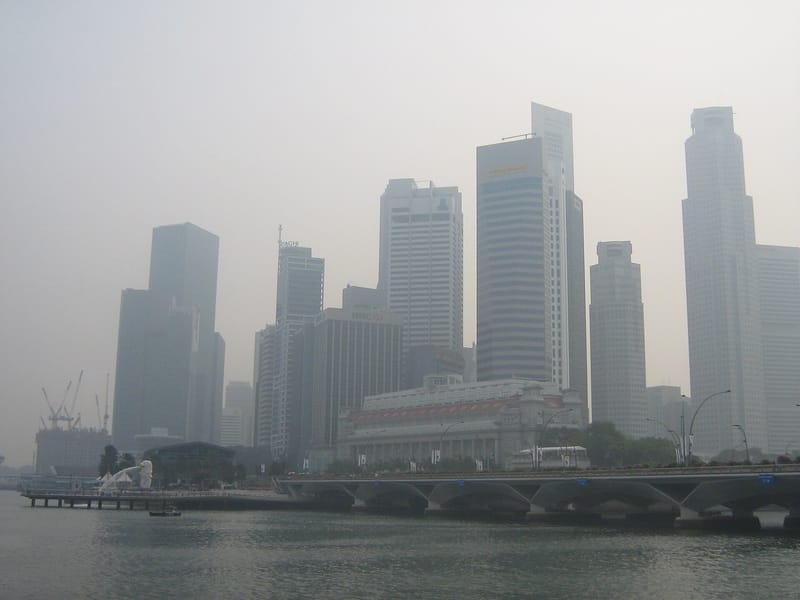
Haze from Indonesian wildfires spikes Singapore pollution; East Timor shuts schools for three days
Smoke from wildfires in Indonesia sent Singapore's air pollution readings sharply higher on 14 October 2026, and East Timor closed its schools for three days in response.
Comments