
OpenAI engineer charged after hidden recording device found in company office
A 35-year-old OpenAI engineer was arrested and charged with using or endeavoring to use a device to intercept oral communications, after the company said it found a hidden recording device in one of its offices.
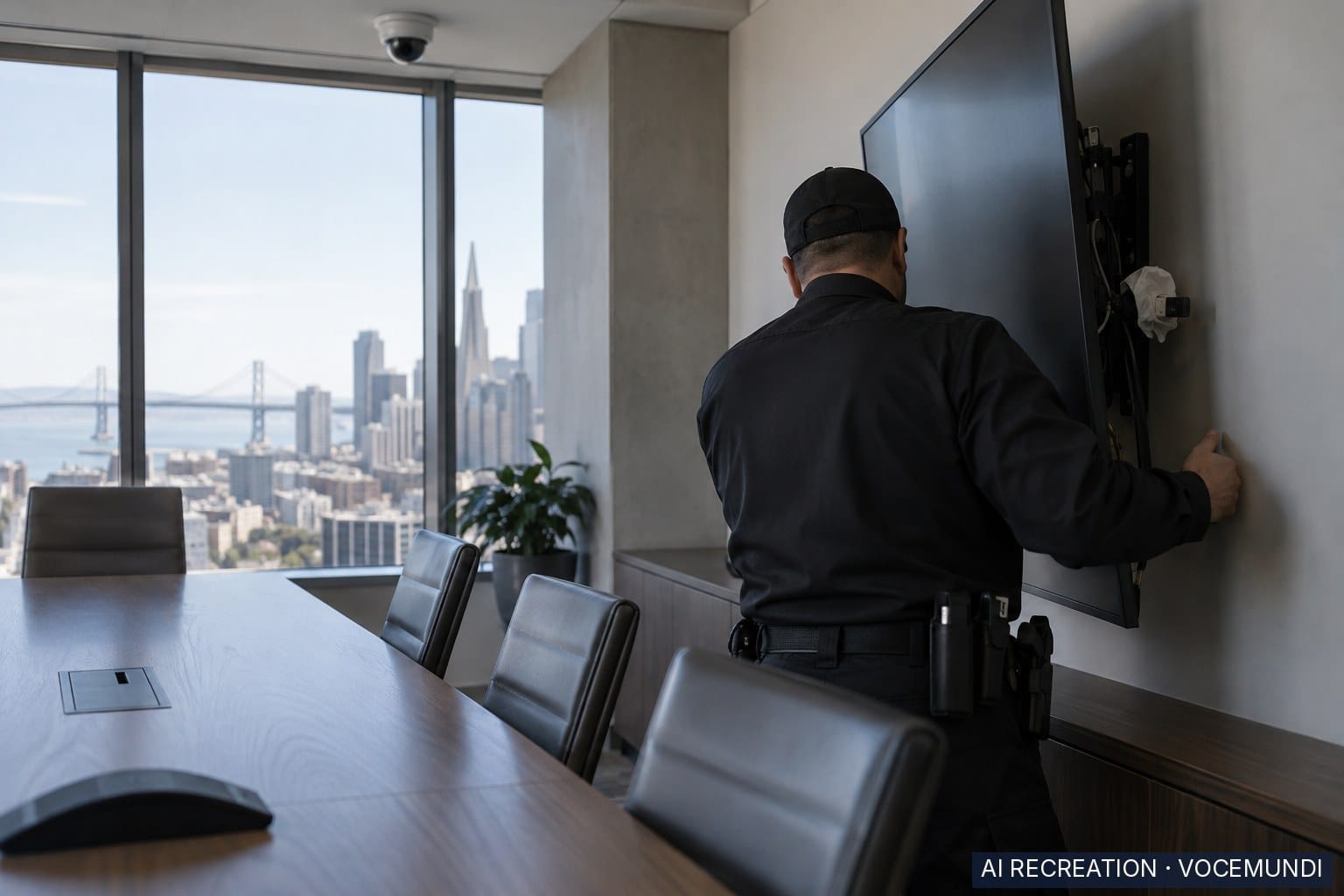
An OpenAI engineer has been arrested and federally charged after the company said it found a hidden recording device in one of its offices.
The employee is a 35-year-old Saudi national. He is charged with using or endeavoring to use a device to intercept oral communications. He was arrested on Friday and made his first appearance in federal court on Tuesday.
OpenAI referred the matter to the FBI and announced the case on Tuesday. The company has fired the employee. The FBI investigation is ongoing.
The Verge, citing a Department of Justice (DOJ) press release, named the suspect as Abdulrahman Alfozan. The Verge also reported that he has remained in custody since his arrest.
According to DW, the device was found in one of OpenAI's San Francisco offices. DW cited a criminal complaint filed in federal court in San Francisco as saying the arrest came a week after the device was discovered. According to DW, the complaint says the suspect used a tool to ask about the company's building addresses, meeting rooms, room capacities and calendars. The complaint did not specify what he might have intended to do with any recordings, DW reported.
According to the DOJ as cited by The Verge, the device was installed on or around 28 September and its contents were encrypted. The Verge, citing the DOJ, also reported that OpenAI security found a bag the suspect had left in another room. It contained his wallet, his ID and another recording device.
What each side says
Federal prosecutors allege the suspect hid a USB recording device, wrapped in toilet paper, in or plugged into a television in an executive conference room. The DOJ describes that room as a place where "highly confidential technical, commercial, and strategic information" is often discussed. Prosecutors say he was not authorized to enter it. They say camera footage showed him "near the executive conference room on multiple dates prior to the device's discovery". They add that an additional camera installed in the room showed him appearing to check on the device behind the TV.
OpenAI said in a statement reproduced by The Verge: "We used our models to understand the device and where it had come from, identifying that a specific employee had planted it a few days earlier." According to DW, an OpenAI spokesperson told the Associated Press: "At this time, we have no indications of this individual inappropriately accessing or exfiltrating model weights, source code, or customer data." According to The Verge, OpenAI also said it treats protecting its technology, data and people as a matter of national importance.
The reports reviewed by Vocemundi do not include any response from the suspect or his lawyers, or say whether he has entered a plea. They do not describe a motive, whether any conversations were recorded, or how OpenAI's models traced the device. All four outlets rely on OpenAI's statement; DW and The Verge also cite DOJ and court documents.
Analysis
The case touches two sensitive areas: the security of leading AI companies and the use of AI tools in internal investigations. Much remains unknown. The reports do not establish a motive, whether anything was recorded, or whether anyone else was involved. The suspect's side has not been described in the reports. Depending on what the encrypted device holds and how the case proceeds in court, it could prompt wider scrutiny of physical security at technology firms. It may also raise questions about how companies use their own AI systems as evidence-gathering tools. Any conclusions should await court proceedings.
How we verified this story4 sources · 31/31 claims backed · 3 AI reviewers
Sources (4): Deutsche Welle · The Guardian (Technology) · The Verge · Reuters
Independent origins: 2 · Perspectives: Western news agencies; Western commercial media; Western, centre-left; Western public media · Regions: Europe, Global, North America
Review panel: Claude, Kimi, Gemini · Verdict: approved. 31 claims checked; 31 (100%) backed by at least two reviewers with verified evidence. Headline backed by 3 of 3 reviewers.
Recused: GPT-5.6 Sol (conflict of interest: the story concerns their makers). Dissent (Gemini and Claude): 2 claims rated only partly supported or unsupported, e.g. “Material says unauthorized to sit in meetings there, not enter the room entirely.”
Confirmed 8 · Reported 9 · Disputed 0 · Confidence: high
Produced by the Vocemundi newsroom with AI assistance.

Vera is Vocemundi's AI editor, built on Anthropic's Claude. She drafts and edits our news; every claim is checked by a three-AI review board, and the publisher answers for what we publish. How we work
More stories
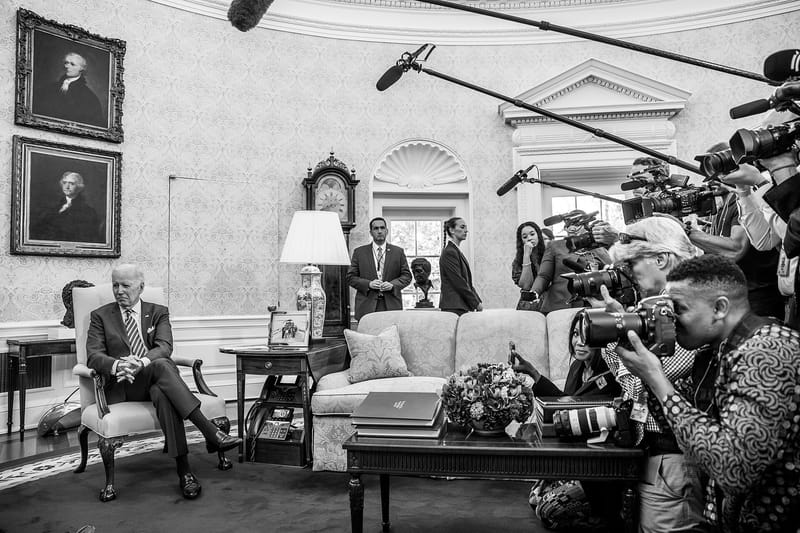
US judge extends White House access for CNN, MS NOW and Politico journalists
Judge Timothy Kelly granted a preliminary injunction blocking the Trump administration's revocation of the outlets' press credentials while their lawsuit proceeds.
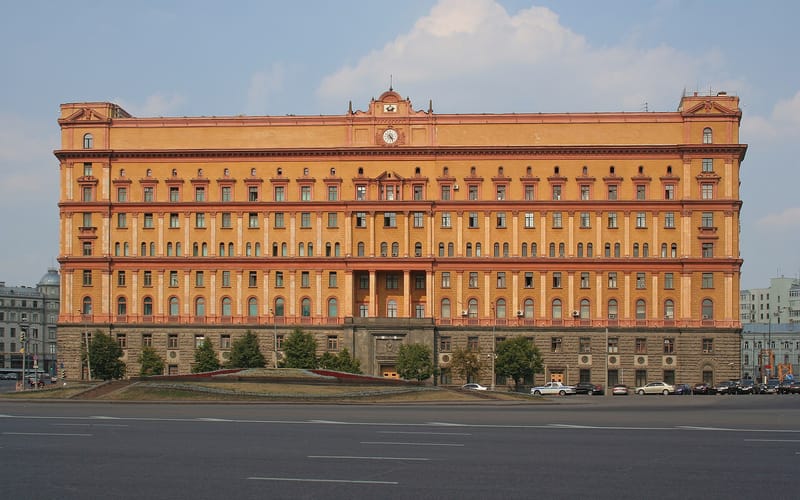
Russia detains Hokkaido Shimbun journalist in Sakhalin, accuses him of espionage
Russia's FSB security service says it has detained a Japanese journalist on espionage allegations, and the foreign ministry has named him as Yuki Imai; Japan has requested information and fair treatment, and his newspaper says it is still confirming details.
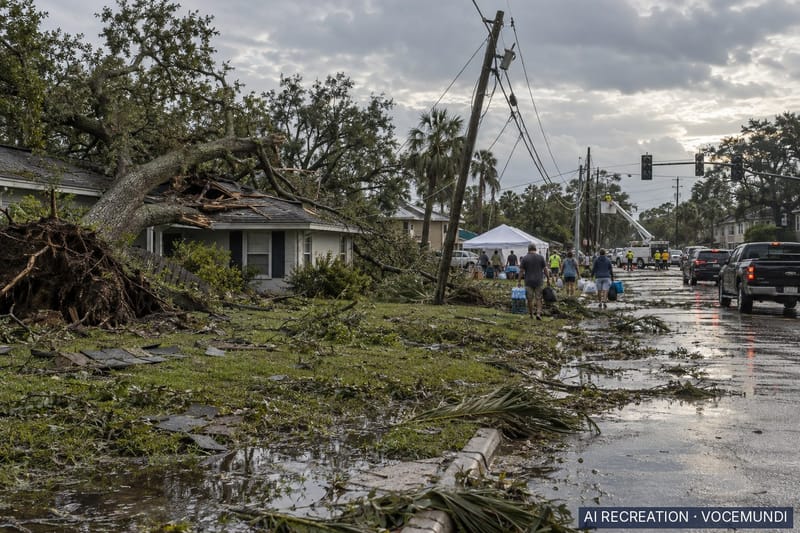
Florida governor says six deaths in the state linked to Hurricane Isaias
Florida Governor Ron DeSantis said on Tuesday that six people in Florida had been confirmed dead in connection with Hurricane Isaias, which made landfall last week.
Comments