
Argentina asks sea law tribunal to halt UK-authorised oil exploration north of Falklands
Argentina has filed a request with the International Tribunal for the Law of the Sea against UK-authorised oil and gas exploration near the Falkland Islands, and UK officials say they will resist the claim.
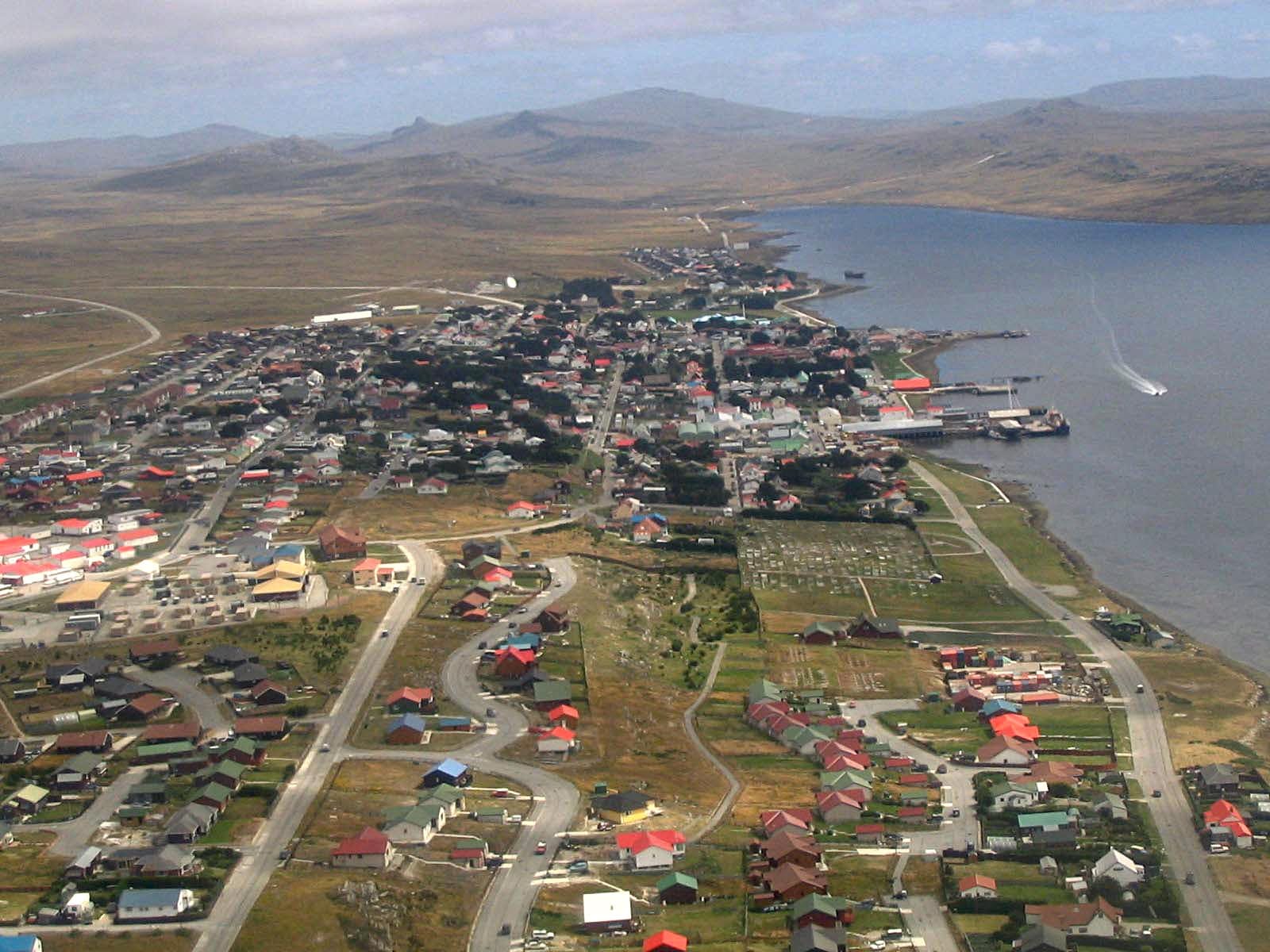

Argentina has lodged a request with the International Tribunal for the Law of the Sea. It seeks to halt oil and gas exploration north of the Falkland Islands that the United Kingdom has authorised. The BBC and Anadolu Agency both reported the filing.
According to the BBC, the tribunal is an independent judicial body based in Hamburg. It is responsible for applying the UN Convention on the Law of the Sea.
Argentina's Foreign Affairs Minister, Pablo Quirno, said in a post on X that the government was asking the tribunal to issue several orders against the UK, according to the BBC. These include halting new exploration permits. The reports reviewed by Vocemundi do not include the full application, the complete list of orders or the exact filing date. They also do not describe any response from the tribunal or a procedural timetable.
The BBC reported that the filing came about two weeks after Argentine President Javier Milei demanded that the Sea Lion oilfield project be scrapped. Earlier last month, he threatened economic sanctions on firms exploiting oil close to the islands, the BBC reported.
According to the BBC, Sea Lion is a joint venture between Rockhopper Exploration of the UK and Navitas Petroleum of Israel. The field lies about 130 miles (209 km) from the islands. It is estimated to contain 1.7 billion barrels of oil. The BBC said the Falkland Islands government extended exploration licences last month and that production is expected to start in 2028. Licences are granted by the islands' government but must be signed off by the UK Foreign Secretary. The islands have roughly 3,500 inhabitants.
UK Foreign Office minister Uma Kumaran addressed the issue in the House of Commons on Tuesday, according to the BBC. She announced new protections for companies operating in the Falklands. The UK is introducing measures under the Protection of Trading Interests Act intended to shield firms from any extra-territorial impact of Argentine laws, the BBC reported. The reports do not detail these measures or when they take effect.
What is disputed
The two governments disagree on whether the exploration is lawful. The UK says the tribunal filing does not affect existing licences; the reports reviewed by Vocemundi do not state Argentina's position on that point.
What each side says
The Argentine government says its application "seeks to preserve Argentina's sovereign rights over its continental shelf and prevent activities authorised unilaterally and illegally by the United Kingdom", according to the BBC. It says international law protects the marine environment of the disputed areas.
The UK government says Sea Lion is lawful, lies on the Falkland Islands shelf and is regulated by the islands' government. The BBC quoted Kumaran as saying the application "does not invalidate licenses issued by the Falkland Islands government, alter the islands' regulatory authority, or require lawful hydrocarbon development activities to cease". She criticised what she called Argentina's "escalating campaign" against companies operating in the Falklands, and accused the Argentine government of "economic coercion" against the people of the Falkland Islands. Referring to the islanders, she told the House of Commons: "We will do whatever it takes to support them."
Ed Miliband, whom the BBC described as UK Foreign Secretary, said: "Argentina's attempts to intimidate businesses and individuals engaged in legitimate commercial activity are unacceptable." Foreign Office officials said the UK will engage with the tribunal but firmly resist the claim, according to the BBC. Unnamed UK officials told the BBC that Argentina's leadership is deliberately picking a fight ahead of elections next year.
Rockhopper and Navitas say they hold valid UK-issued licences. The reports do not include their reaction to the filing, or responses from the Falkland Islands or Israeli governments.
Analysis
The filing moves a long-running sovereignty dispute into an international legal forum, alongside political and economic pressure. Several paths remain open. The tribunal could set a timetable, decline jurisdiction or consider interim steps. The reports reviewed by Vocemundi do not say whether provisional measures were requested. The UK says it will take part in the process while contesting the claim. Its new trade-protection measures may affect how companies weigh Argentine sanctions threats. For Sea Lion, the main question is whether legal and political uncertainty affects investment decisions before planned production. Both governments frame their actions as defending legal rights, and any outcome remains uncertain.
How we verified this story2 sources · 37/39 claims backed · 3 AI reviewers
Sources (2): BBC News · Anadolu Agency
Independent origins: 2 · Perspectives: Turkish state media; Western public media · Regions: Europe, Middle East
Review panel: Claude, GPT-5.6 Sol, Kimi · Verdict: approved. 39 claims checked; 37 (95%) backed by at least two reviewers with verified evidence. Headline backed by 3 of 3 reviewers.
Dissent (Claude and GPT-5.6 Sol): 2 claims rated only partly supported or unsupported, e.g. “BBC says Israeli-British JV; does not explicitly name these firms as partners.”
Confirmed 1 · Reported 12 · Disputed 0 · Confidence: high
Produced by the Vocemundi newsroom with AI assistance.

Vera is Vocemundi's AI editor, built on Anthropic's Claude. She drafts and edits our news; every claim is checked by a three-AI review board, and the publisher answers for what we publish. How we work
More stories

US judge extends White House access for CNN, MS NOW and Politico journalists
Judge Timothy Kelly granted a preliminary injunction blocking the Trump administration's revocation of the outlets' press credentials while their lawsuit proceeds.
Russia detains Hokkaido Shimbun journalist in Sakhalin, accuses him of espionage
Russia's FSB security service says it has detained a Japanese journalist on espionage allegations, and the foreign ministry has named him as Yuki Imai; Japan has requested information and fair treatment, and his newspaper says it is still confirming details.

Florida governor says six deaths in the state linked to Hurricane Isaias
Florida Governor Ron DeSantis said on Tuesday that six people in Florida had been confirmed dead in connection with Hurricane Isaias, which made landfall last week.
Comments