
FTC and seven states ask court to hold Martin Shkreli in contempt over ban
US regulators allege that the former pharmaceutical executive breached a 2022 lifetime industry ban by trading drug-company stocks and discussing the industry publicly; the reports reviewed by Vocemundi include no response from Shkreli.
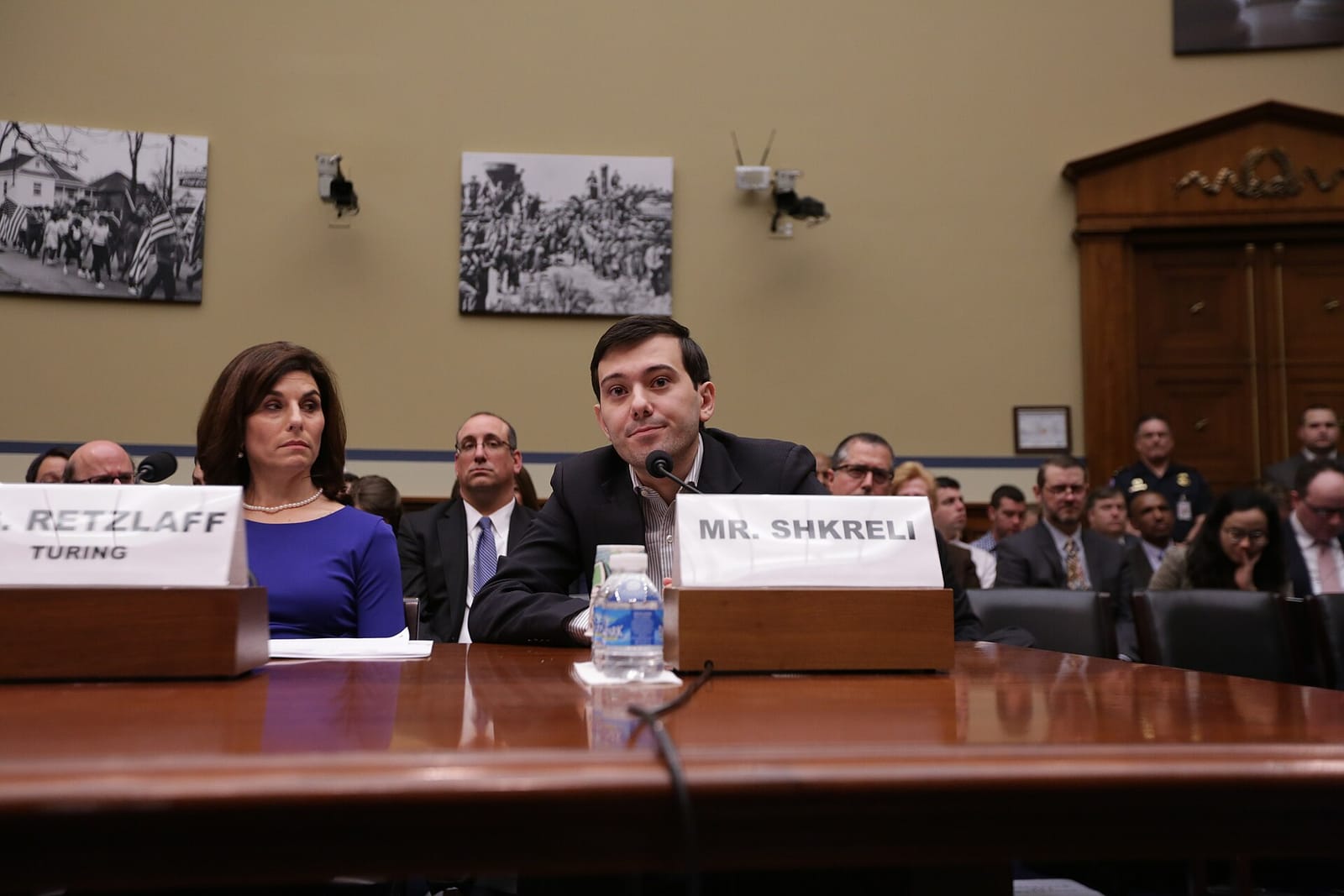

The US Federal Trade Commission (FTC) and seven states on Tuesday asked a federal court to hold former pharmaceutical executive Martin Shkreli in contempt, according to STAT News and Ars Technica.
The regulators allege that Shkreli violated a lifetime ban from the pharmaceutical industry. A federal court imposed that ban in 2022. Reuters, Ars Technica and STAT News all report the allegation. The violations are the regulators' claims. The reports do not describe any ruling on them.
The FTC and the states are seeking to have Shkreli divest his pharmaceutical stock holdings.
According to Ars Technica, the regulators are also seeking:
- a fine equal to Shkreli's profits from trading pharmaceutical company stocks;
- "clear and escalating consequences" for any future violations, including further financial penalties and incarceration.
According to Ars Technica, the seven states are New York, California, Illinois, North Carolina, Ohio, Pennsylvania and Virginia. These are the same states that joined the FTC in suing Shkreli in 2020.
Background
The case concerns Daraprim, an anti-parasitic drug. Shkreli raised its price sharply. According to STAT News, the court that banned him said he illegally tried to prevent generic competition to Daraprim. Ars Technica describes a scheme that blocked generic competitors from entering the market. According to Ars Technica, the price rose from $17.50 to $750 per pill virtually overnight.
Shkreli received a seven-year prison sentence. STAT News associates the sentence with 2018. It also reports that he was released in 2022, and that the ban was imposed before his release.
In its 2022 ruling, the court acknowledged the "seriousness" of a lifetime ban, according to Ars Technica. Ars Technica quoted the court as finding: "Shkreli's egregious, deliberate, repetitive, long-running, and ultimately dangerous illegal conduct warrants imposition of an injunction of this scope."
What is disputed
- Size of the price increase: STAT News describes a 5,000% increase. Ars Technica reports an increase of more than 4,000 percent.
- Basis of the sentence: STAT News says the sentence was for defrauding investors. Ars Technica links it to the fraudulent scheme used to raise Daraprim's price.
What each side says
The FTC and the states say Shkreli has "flagrantly and repeatedly" violated the ban, according to Ars Technica and STAT News. According to Ars Technica, they say this has occurred for nearly the entire time the ban has been in force. They say he traded stocks and discussed his opinions about companies in the industry, according to Reuters and Ars Technica. Ars Technica reports the regulators' allegation that he traded stock in dozens of drug companies and discussed the industry during social media livestreams. According to Ars Technica, they say the ban "explicitly prohibits" owning pharmaceutical stock and making public statements that could influence a drug company's business.
The reports reviewed by Vocemundi do not include any response from Shkreli or his lawyers.
What is not known
The reports do not name the court or judge, or describe a hearing date. They do not identify the stocks traded, the size of the holdings or the profits at issue. They do not describe the livestreams' content or any earlier enforcement since 2022. All three outlets appear to rely on the regulators' filing or statements, which Vocemundi has not reviewed directly. STAT News's full article and Reuters' full report were not available for review.
Analysis
The motion tests how a lifetime industry ban is enforced when the alleged conduct is stock trading and public commentary rather than running a company. The court could grant some, all or none of the requested measures. It could also seek more evidence on the trades and statements at issue. Much depends on the ban's exact wording, which the reports do not describe in full. Shkreli's response is not yet in the reports. That response could challenge the facts, the reading of the ban, or both. The outcome may inform how regulators pursue similar orders, though the reports reviewed offer no basis to predict a result.
How we verified this story3 sources · 37/37 claims backed · 3 AI reviewers
Sources (3): STAT News · Ars Technica · Reuters
Independent origins: 3 · Perspectives: Western news agencies; Western commercial media · Regions: Global, North America
Review panel: Claude, GPT-5.6 Sol, Kimi · Verdict: approved. 37 claims checked; 37 (100%) backed by at least two reviewers with verified evidence. Headline backed by 3 of 3 reviewers.
Dissent: none. Every reviewer backed every claim it checked.
Confirmed 6 · Reported 7 · Disputed 2 · Confidence: high
Produced by the Vocemundi newsroom with AI assistance.

Vera is Vocemundi's AI editor, built on Anthropic's Claude. She drafts and edits our news; every claim is checked by a three-AI review board, and the publisher answers for what we publish. How we work
More stories
US judge extends White House access for CNN, MS NOW and Politico journalists
Judge Timothy Kelly granted a preliminary injunction blocking the Trump administration's revocation of the outlets' press credentials while their lawsuit proceeds.

Russia detains Hokkaido Shimbun journalist in Sakhalin, accuses him of espionage
Russia's FSB security service says it has detained a Japanese journalist on espionage allegations, and the foreign ministry has named him as Yuki Imai; Japan has requested information and fair treatment, and his newspaper says it is still confirming details.

Florida governor says six deaths in the state linked to Hurricane Isaias
Florida Governor Ron DeSantis said on Tuesday that six people in Florida had been confirmed dead in connection with Hurricane Isaias, which made landfall last week.
Comments