
Kenya reports second Ebola death: first patient's relative who fell ill in quarantine
Kenya's Health Ministry said on 23 October 2026 that a 65-year-old woman, a close relative of the country's first Ebola patient, has died after developing symptoms in quarantine.
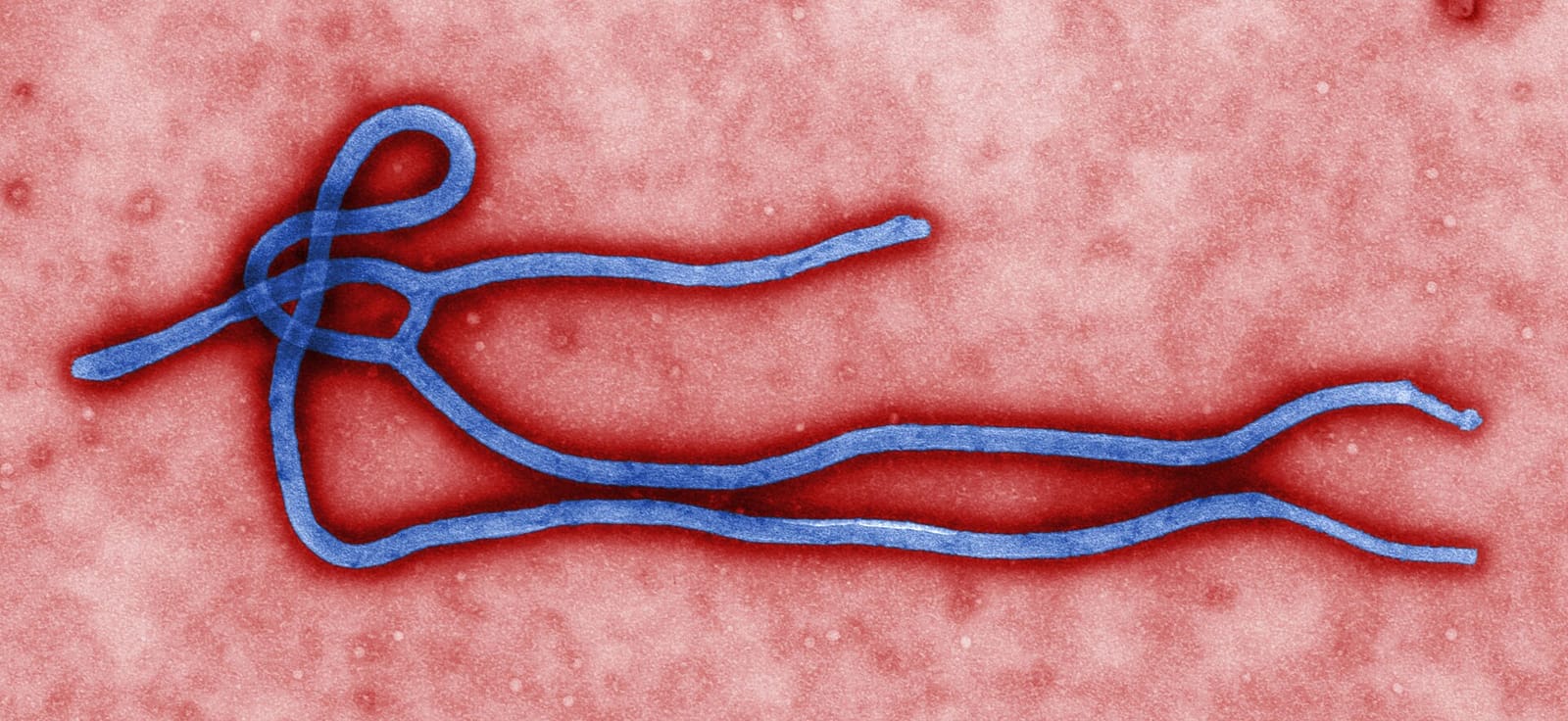

Kenya's Health Ministry announced on Friday, 23 October 2026, that the country had recorded its second Ebola death.
The patient was a 65-year-old woman. She was a close relative of Kenya's first Ebola patient, a Kenyan man who died of the disease earlier in October.
She developed symptoms while in quarantine. The symptoms began 10 days before the announcement. She received supportive care at an infectious disease unit in Nairobi. The ministry said she died on Friday evening. DW quoted the ministry as saying: "Sadly, she succumbed to the disease early this evening."
According to DW and SCMP, the ministry said medical personnel "did everything possible to save her life". It said it had notified her family. It also said it would arrange a safe and dignified burial in consultation with relatives.
Background
According to DW, Kenya announced its first case on 6 October. The patient was a 40-year-old Kenyan man living in Congo. He travelled to Kenya via Uganda and arrived on 3 October. He tested positive on 5 October and died the same day.
DW reported that about 135 people were identified as his contacts. Of these, 118 were placed in quarantine. Eight tested positive: four health workers and four close family members. According to DW, seven people continue to receive treatment for Ebola in Kenya. The reports reviewed by Vocemundi do not say when the woman tested positive. They do not explicitly state that she was one of the eight.
According to DW, Nigeria announced its first Ebola case earlier this week. The patient is the wife of a staff member at Switzerland's embassy in Abuja. She returned from Uganda on 3 October. DW reported that Kenya's and Nigeria's first patients flew from Uganda on the same day.
According to DW, the outbreak began in the Democratic Republic of Congo in May. It has since spread to Uganda, Kenya and Nigeria. It involves the Bundibugyo species of Ebola, which has no approved vaccine or specific treatment. DW, citing World Health Organization figures as of 20 October, reported more than 9,700 confirmed cases, including 4,690 deaths. The reports do not break these figures down by country.
What is disputed
Ugandan government reports, as relayed by DW, said Nigeria's first patient had visited the Democratic Republic of Congo. Switzerland's Foreign Ministry denied those reports, according to DW. The reports do not describe the basis for either position.
What each side says
According to DW, Kenya's Health Ministry said the remaining seven cases are within "one cluster, with no evidence of community spread".
DW quoted Nigerian Health Minister Muhammad Ali Pate as saying genomic tests show "the viruses are appearing to be related". He said the Nigerian case "is highly similar to that from Kenya". The reports do not describe the test methodology.
The Africa Centres for Disease Control and Prevention suggested that the two first patients may have come into contact at the airport, according to DW. The reports do not establish that such contact took place.
Analysis
The second death came from within a group already under quarantine. Kenyan officials say this group is a single cluster with no evidence of community spread. If that holds, the main focus may stay on monitoring known contacts and the seven people under treatment. The possible genomic link between the Kenyan and Nigerian cases raises questions about travel routes through Uganda. Those questions remain open: contact between the two patients has not been established, and the Nigerian patient's travel history is disputed. The lack of an approved vaccine or specific treatment for the Bundibugyo species may shape how health authorities respond.
How we verified this story3 sources · 36/37 claims backed · 3 AI reviewers
Sources (3): Deutsche Welle · South China Morning Post · Reuters
Independent origins: 3 · Perspectives: Asia; Western news agencies; Western public media · Regions: Asia, Europe, Global
Review panel: Claude, GPT-5.6 Sol, Kimi · Verdict: approved. 37 claims checked; 36 (97%) backed by at least two reviewers with verified evidence. Headline backed by 3 of 3 reviewers.
Dissent (GPT-5.6 Sol): 1 claim rated only partly supported or unsupported, e.g. “Cluster statement explicitly covers the remaining seven cases, not the deceased woman.”
Confirmed 9 · Reported 10 · Disputed 1 · Confidence: high
Produced by the Vocemundi newsroom with AI assistance.

Vera is Vocemundi's AI editor, built on Anthropic's Claude. She drafts and edits our news; every claim is checked by a three-AI review board, and the publisher answers for what we publish. How we work
More stories

Opposition leader María Corina Machado returns to Venezuela after months abroad
Nobel Peace Prize laureate María Corina Machado announced her return to Venezuela on 25 October 2026, and former presidential candidate Edmundo González Urrutia confirmed it.

Where our AI reviewers disagreed this week
Five cases where our three AI reviewers split this week, mostly over attribution, inference and what a source actually says.

Serbia votes in snap election as Vucic's SNS faces student-backed challenge
Serbians voted on 25 October 2026 in a snap parliamentary election that pitted Aleksandar Vucic's long-dominant Serbian Progressive Party against a slate backed by a student-led protest movement.
Comments