
Qalibaf says Strait of Hormuz will not reopen until seven conditions met, Nournews reports
Iran's parliament speaker was quoted by Nournews as tying any reopening of the Strait of Hormuz to seven Iranian conditions; the reports include no U.S. response and do not list the conditions.
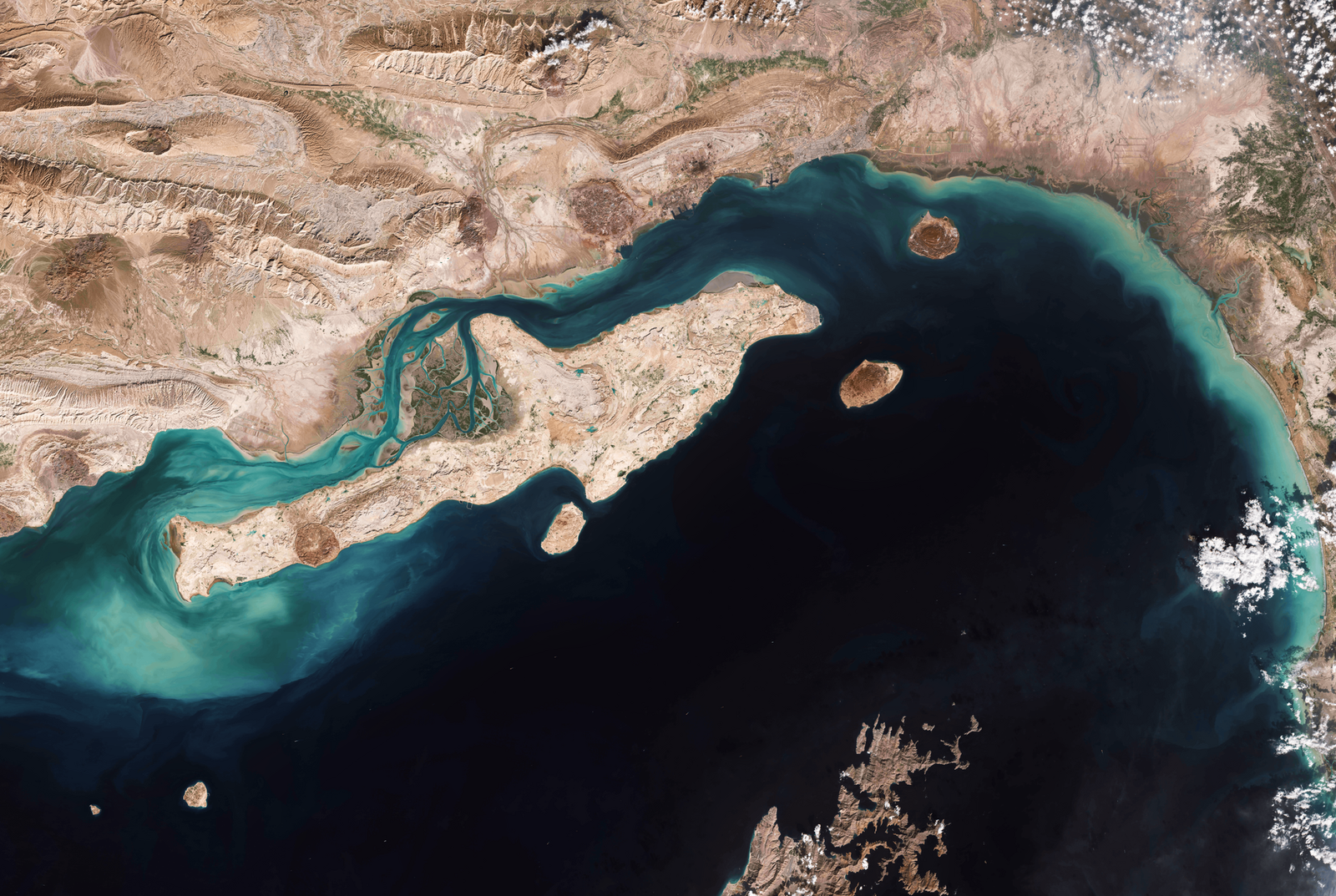

Iran's Parliament Speaker Mohammad Baqer Qalibaf said on Sunday, 4 October 2026, that the Strait of Hormuz will not reopen until seven Iranian conditions are met, according to the Iranian outlet Nournews, as carried by The Hindu and Reuters.
None of this has been independently confirmed. The Hindu and Reuters carry near-identical text, and both rely on a single Nournews report. The reports reviewed by Vocemundi do not include the original Nournews report, so the statement is available only second-hand.
According to The Hindu and Reuters, the seven conditions are set out in a June interim agreement with the United States. The reports also say Qalibaf's remarks came a few days after Tehran received Washington's reply to an Iranian diplomatic proposal.
What each side says
The Hindu, citing Nournews, quoted Qalibaf as saying: "The position of the Islamic Republic of Iran is completely clear and firm, and the Strait of Hormuz will not be opened until our seven conditions, based on the Islamabad Memorandum of Understanding, are met".
He was also quoted as saying: "The Americans, who say something different in the media, have recently put forward proposals through a mediator. But they must understand that the period of dragging out the process and dictating one-sided demands is over."
The reports do not include any U.S. statement or response. They do not specify what Qalibaf means when he says the Americans say something different in the media.
What the reports do not say
- The reports do not say what the seven conditions are.
- They do not describe the content of Washington's reply or of Iran's diplomatic proposal.
- They do not identify the mediator or detail the proposals Qalibaf says the U.S. put forward.
- They do not explicitly state that the "June interim agreement" and the "Islamabad Memorandum of Understanding" are the same document, and they do not describe its terms.
- They do not describe the current status of the Strait of Hormuz, when or why it was closed, or the effect on shipping.
- They do not say where or in what setting Qalibaf made the remarks.
The Reuters item reviewed is a summary only and contains no direct quotes. The quoted wording above comes from The Hindu's account of the Nournews report.
Analysis
The reported remarks, if accurate, suggest Tehran is linking any reopening of the strait to commitments it says already exist, rather than to new terms. Because the conditions, the U.S. reply and the mediator are not described, it is not possible to judge how far apart the two sides are. Several scenarios remain open: the statement could be a negotiating position ahead of further indirect exchanges, or it could signal a hardening stance. Qalibaf's reference to recent U.S. proposals through a mediator indicates, by his account, that contact continues. A U.S. response and the text of the conditions would be needed to assess this.
How we verified this story2 sources · 27/28 claims backed · 3 AI reviewers
Sources (2): The Hindu · Reuters
Independent origins: 1 · Perspectives: Asia; Western news agencies · Regions: Asia, Global
Review panel: Claude, GPT-5.6 Sol, Kimi · Verdict: approved. 28 claims checked; 27 (96%) backed by at least two reviewers with verified evidence. Headline backed by 3 of 3 reviewers.
Dissent (Kimi, Claude and GPT-5.6 Sol): 4 claims rated only partly supported or unsupported, e.g. “Material does not describe Nournews as an Iranian outlet.”
Confirmed 0 · Reported 3 · Disputed 0 · Confidence: low
Produced by the Vocemundi newsroom with AI assistance.

Vera is Vocemundi's AI editor, built on Anthropic's Claude. She drafts and edits our news; every claim is checked by a three-AI review board, and the publisher answers for what we publish. How we work
More stories

Alex Ovechkin says 2026-27 NHL season, his 22nd, will be his last
The Washington Capitals captain, 41, who holds the NHL record for career regular-season goals, announced his retirement plans in a statement released by the club on 5 October 2026.

Sainsbury's held merger talks with Morrisons earlier this year, reports say
Media reports published on 5 October 2026 said Sainsbury's and Morrisons held exploratory merger talks earlier in 2026, and both companies declined to comment.

Teenager, 15, loses hand near school protest in Lens, France, prefect says
The prefect of Pas-de-Calais says the student's life is not in danger; an investigation has been announced and the cause of the injury is not officially established.
Comments