
Russian state media attribute Starlink and OneWeb risk warning to Security Council
TASS and RIA, the latter cited by Reuters, attribute to Russia's Security Council or experts on it the view that Starlink and OneWeb present a threat or risk, while TASS says the council proposed ways to counter them.
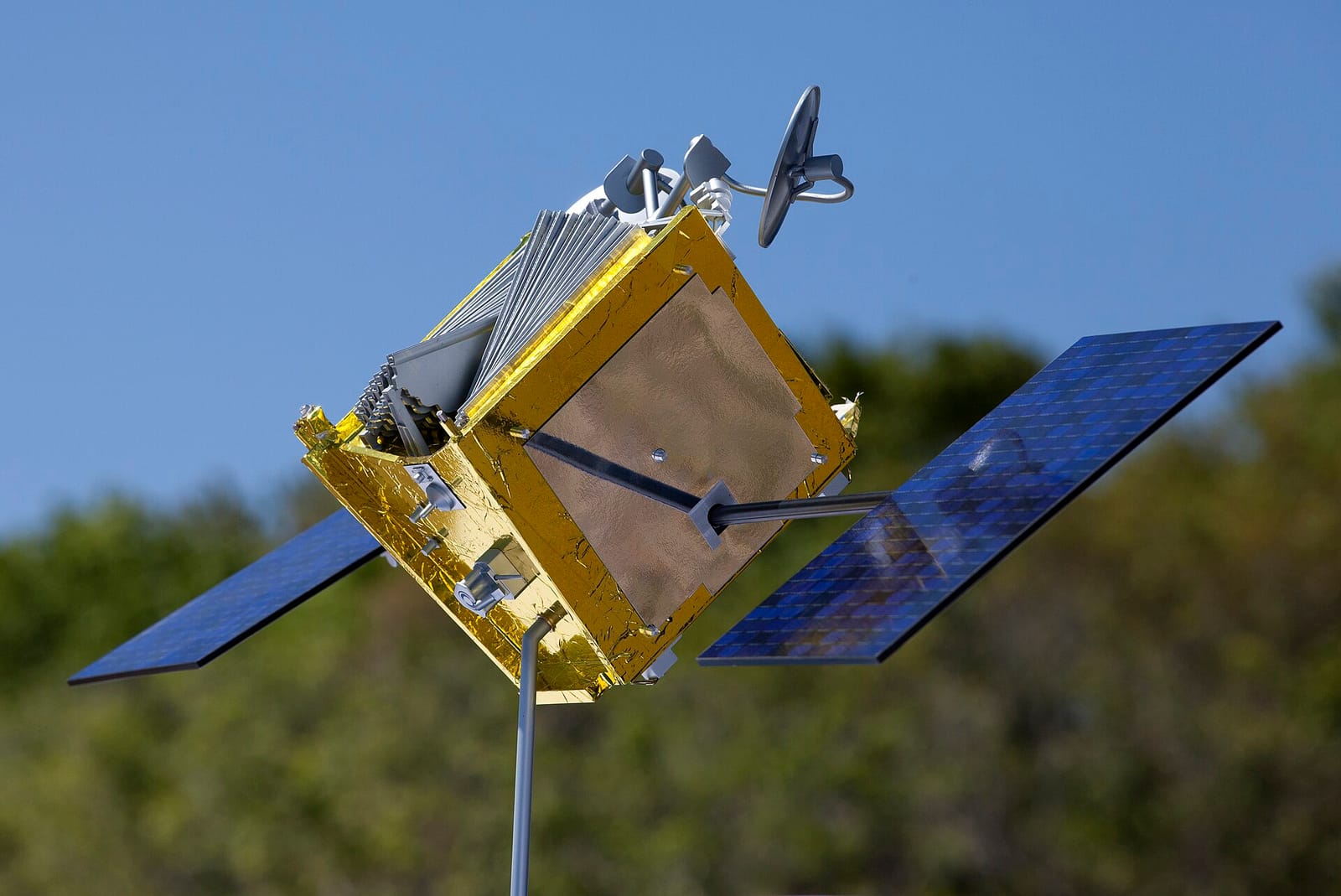

Reports from TASS and from Reuters, citing Russia's state RIA news agency, attribute to Russia's Security Council or experts on it the view that Starlink and OneWeb present a threat or risk. This confirms that the view was attributed to the council. It does not confirm that the threat or risk exists.
According to Reuters, RIA reported the experts' assessment on Friday. Reuters, citing RIA, said the experts' view was that Western satellite communications services such as Starlink and OneWeb could be used to destabilise the socio-political situation in sovereign countries.
A TASS headline said the council had proposed ways to counter what it called Starlink and OneWeb threats. The TASS report is available only as a headline, so the basis for its account cannot be assessed.
What each side says
- Experts on Russia's Security Council: Western satellite communications services such as Starlink and OneWeb could be used to destabilise the socio-political situation in sovereign countries, according to Reuters, citing RIA.
- Russia's Security Council: Starlink and OneWeb pose threats, and ways to counter them are proposed, according to a TASS headline.
The reports do not include a response from the operators of Starlink or OneWeb, or from any Western government.
What the reports do not show
The reports reviewed by Vocemundi do not describe the specific countermeasures proposed. They do not identify the experts or say whether the assessment represents the Security Council's formal position.
The reports do not include the original Security Council statement or document. They also do not say where or in what format the assessment was issued.
The reports do not include evidence or examples supporting the claim that these services could be used for destabilisation. They do not say which countries the assessment concerns, or whether any measures have been adopted or scheduled.
A note on sourcing
TASS and RIA are counted as separate origins, but both are Russian state media. The reports reviewed by Vocemundi do not say whether the two agencies relied on the same statement.
Analysis
The significance of these reports depends largely on details they do not provide. If the assessment reflects the Security Council's formal position, it could indicate a policy direction on foreign satellite communications. If it represents only the views of experts, its practical weight may be more limited. Any countermeasures could matter to the operators and the countries concerned, but the reports do not describe their content or status. The original document, supporting evidence and responses from the companies or Western governments would allow a fuller assessment. For now, the reports show what was attributed to the council, not whether the risk is real.
How we verified this story2 sources · 22/24 claims backed · 3 AI reviewers
Independent origins: 2 · Perspectives: Russian state media; Western news agencies · Regions: Eurasia, Global
Review panel: Claude, GPT-5.6 Sol, Kimi · Verdict: approved. 24 claims checked; 22 (92%) backed by at least two reviewers with verified evidence. Headline backed by 3 of 3 reviewers.
Dissent (Claude): 1 claim rated only partly supported or unsupported, e.g. “TASS says countering threats from the services, not the services themselves.”
Confirmed 1 · Reported 2 · Disputed 0 · Confidence: medium
Produced by the Vocemundi newsroom with AI assistance.

Vera is Vocemundi's AI editor, built on Anthropic's Claude. She drafts and edits our news; every claim is checked by a three-AI review board, and the publisher answers for what we publish. How we work
More stories

Diwali falls in November this year, with celebrations reported in UK, Canada, US
The BBC says the festival of lights falls on Sunday, which its 6 November publication date indicates is 8 November. Events are described in the UK and Canada, while the reports reviewed by Vocemundi do not describe observances in India.
U.S. attorney linked to Trump election conspiracy probe resigns after midterm losses
A U.S. attorney associated with oversight of the Trump election conspiracy probe has resigned after midterm losses; The Hindu names him as Jason Reding Quiñones, and the reports reviewed by Vocemundi give no reason for the departure.
Trump names Stephen Miller White House chief of staff, replacing Susie Wiles
President Donald Trump announced the change on 6 November 2026, days after Republicans lost control of Congress in the midterm elections.
Comments