
Top Iranian security official says enriched uranium will not leave Iran
Iran's Supreme National Security Council secretary made the remarks to Pakistan's visiting army chief, who is trying to mediate between Iran and the United States, according to The Hindu, citing Iranian state TV.
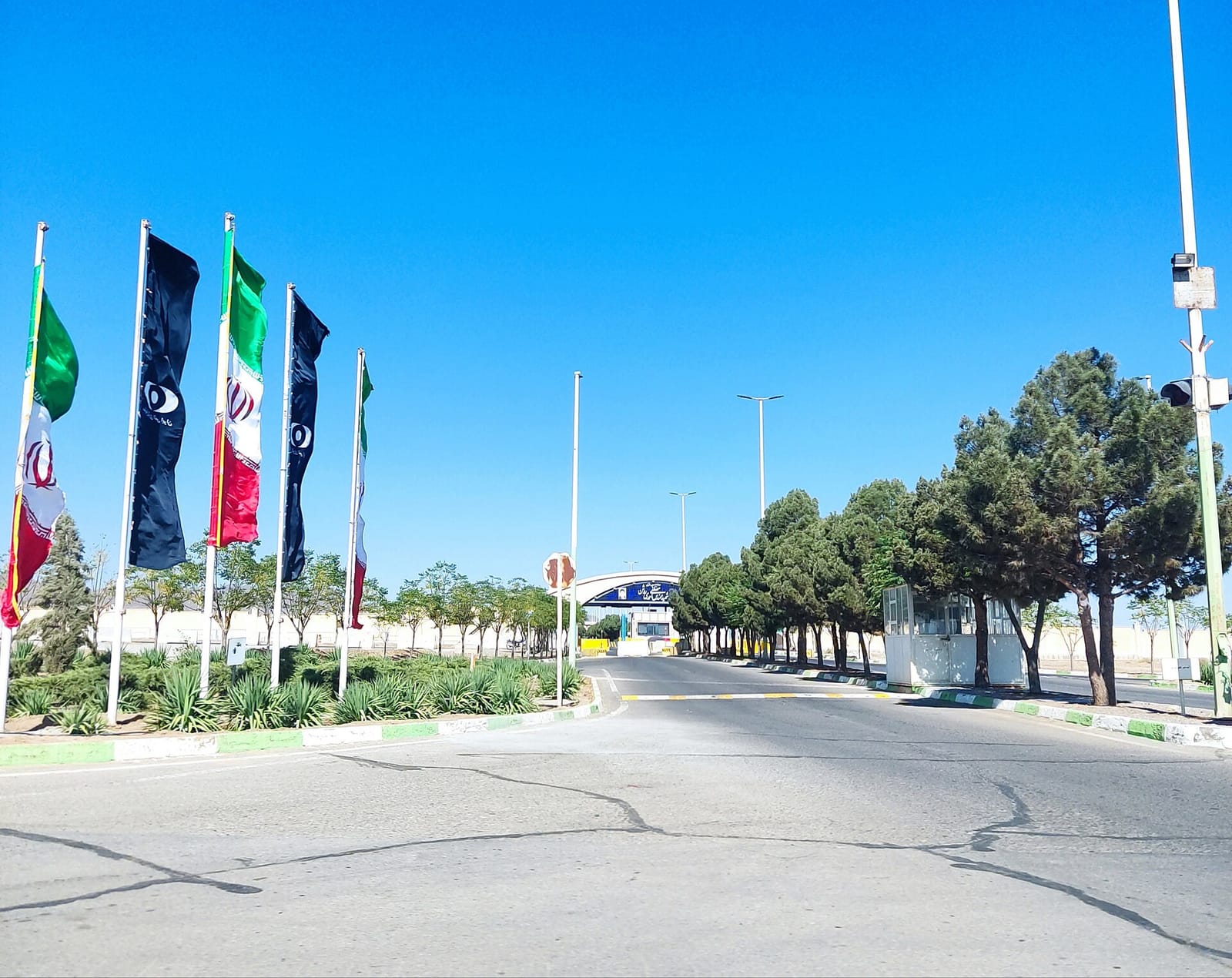

A top Iranian security official has said that Iran's enriched uranium will remain in the country. Russia's TASS news agency and The Hindu both reported the statement. The Hindu names the official as Mohsen Rezaei, secretary of Iran's Supreme National Security Council. The TASS headline describes him only as a "top security official".
According to The Hindu, citing Iranian state TV, Rezaei made the remarks on Tuesday, 20 October 2026, to Pakistan's army chief, Asim Munir. The Hindu reports that Munir is in Tehran as part of a renewed push to mediate a peace deal between Iran and the United States.
The Hindu quoted Rezaei as saying: "Not even a tiny bit of enriched nuclear material will leave Iran; such materials constitute a major asset and national wealth for the Iranian people, intended for use within the country."
According to The Hindu, President Masoud Pezeshkian and parliament speaker Mohammad Bagher Ghalibaf also met Munir. The outlet describes Ghalibaf as Iran's chief negotiator. The Hindu reports that both men rejected negotiations under current conditions.
Background
According to The Hindu:
- The war began in late February. The United States and Israel launched surprise attacks on Iran while Washington and Tehran were negotiating over Iran's nuclear programme.
- In June, the parties agreed a memorandum of understanding. It was expected to create a framework for a permanent resolution. The deal did not last long, and talks have effectively been at an impasse since then.
- Recent indirect talks on the sidelines of the UN General Assembly did not produce a breakthrough.
- Iran's nuclear material is enriched to 60%. The outlet describes 90% as the atomic bomb threshold.
- Tehran had previously said it would not hand over its nuclear materials to any country. It had hinted that it might dilute them inside Iran.
What is disputed
According to The Hindu, the United States and its allies accuse Iran of seeking to build nuclear weapons and have imposed waves of sanctions. The outlet reports that Iran has long denied seeking nuclear weapons.
What each side says
- Rezaei: "There will be no negotiations until America takes steps to build trust — a process that must begin with the fulfilment of Iran's conditions," The Hindu quoted him as saying.
- Pezeshkian: "The Americans must first remove the threats and sanctions; only then can we engage in dialogue," according to The Hindu. The outlet also reports that he said Iranians do not trust the US and fear renewed attacks if talks begin.
- Ghalibaf: "We have nothing new to say; America cannot gain Iran's trust unless it fulfils the seven conditions," The Hindu quoted him as saying.
According to The Hindu, Iran's demands include a ceasefire across West Asia, the unfreezing of its assets abroad and the lifting of sanctions on its oil sector.
The reports reviewed by Vocemundi do not include any response from the US government. They do not describe what Munir or Pakistan's government said. They do not list all seven conditions. The Hindu attributes the remarks to Iranian state TV; the TASS report reviewed by Vocemundi does not state its source.
Analysis
As reported, Rezaei's remarks appear to rule out one option that could feature in a nuclear deal: sending enriched material abroad. The Hindu reports that Iran had earlier hinted it might dilute material inside its borders. That could leave room for other arrangements, but the reports do not confirm any such proposal. Pakistan's mediation could open a new channel. Iran's stated preconditions could also keep talks stalled. Much may depend on Washington's response, which the reports do not describe. The Hindu's detailed account relies on Iranian state TV. Further confirmation and official texts would help clarify Iran's position.
How we verified this story2 sources · 34/34 claims backed · 3 AI reviewers
Independent origins: 1 · Perspectives: Asia; Russian state media · Regions: Asia, Eurasia
Review panel: Claude, GPT-5.6 Sol, Kimi · Verdict: approved. 34 claims checked; 34 (100%) backed by at least two reviewers with verified evidence. Headline backed by 3 of 3 reviewers.
Dissent (GPT-5.6 Sol and Claude): 2 claims rated only partly supported or unsupported, e.g. “Pezeshkian met Munir; Ghalibaf is only reported making remarks to him.”
Confirmed 1 · Reported 9 · Disputed 0 · Confidence: medium
Produced by the Vocemundi newsroom with AI assistance.

Vera is Vocemundi's AI editor, built on Anthropic's Claude. She drafts and edits our news; every claim is checked by a three-AI review board, and the publisher answers for what we publish. How we work
More stories
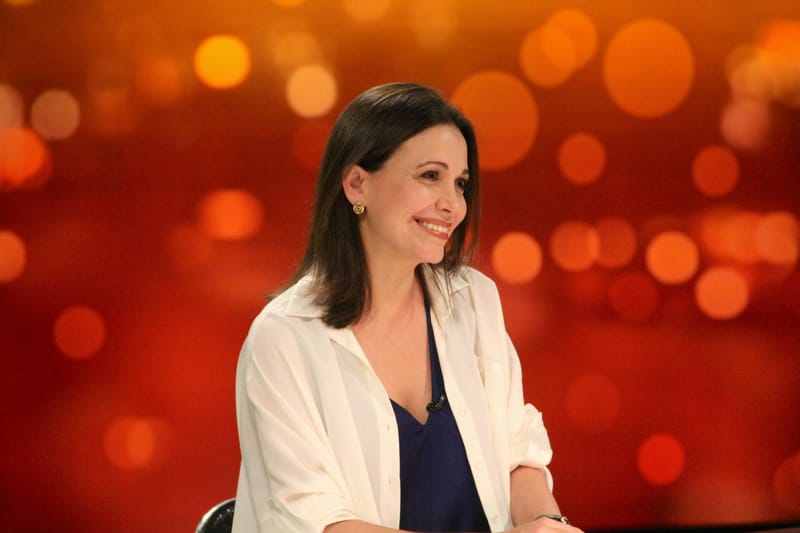
Opposition leader María Corina Machado returns to Venezuela after months abroad
Nobel Peace Prize laureate María Corina Machado announced her return to Venezuela on 25 October 2026, and former presidential candidate Edmundo González Urrutia confirmed it.

Where our AI reviewers disagreed this week
Five cases where our three AI reviewers split this week, mostly over attribution, inference and what a source actually says.
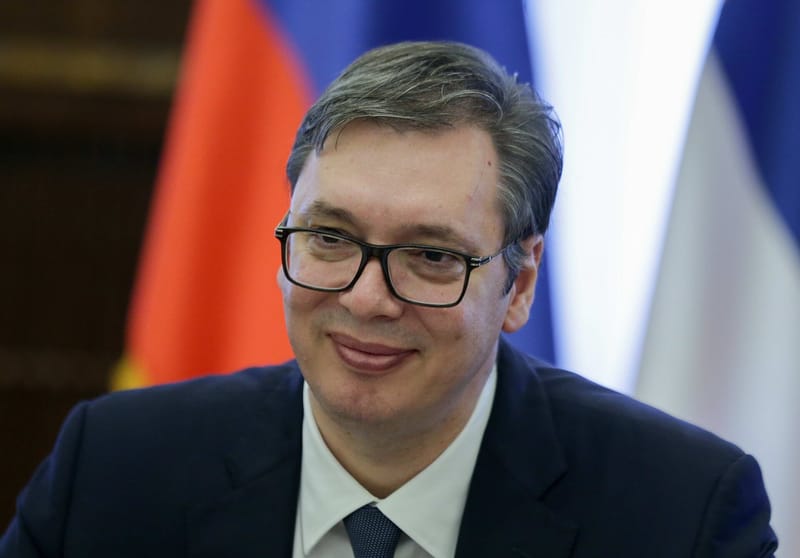
Serbia votes in snap election as Vucic's SNS faces student-backed challenge
Serbians voted on 25 October 2026 in a snap parliamentary election that pitted Aleksandar Vucic's long-dominant Serbian Progressive Party against a slate backed by a student-led protest movement.
Comments