
China rejects US labeling of Confucius Institutes as a security threat
China's foreign ministry opposes what it called US 'smearing and stigmatisation' of Confucius Institutes, after a US government body labeled the Chinese-funded centres a security threat.
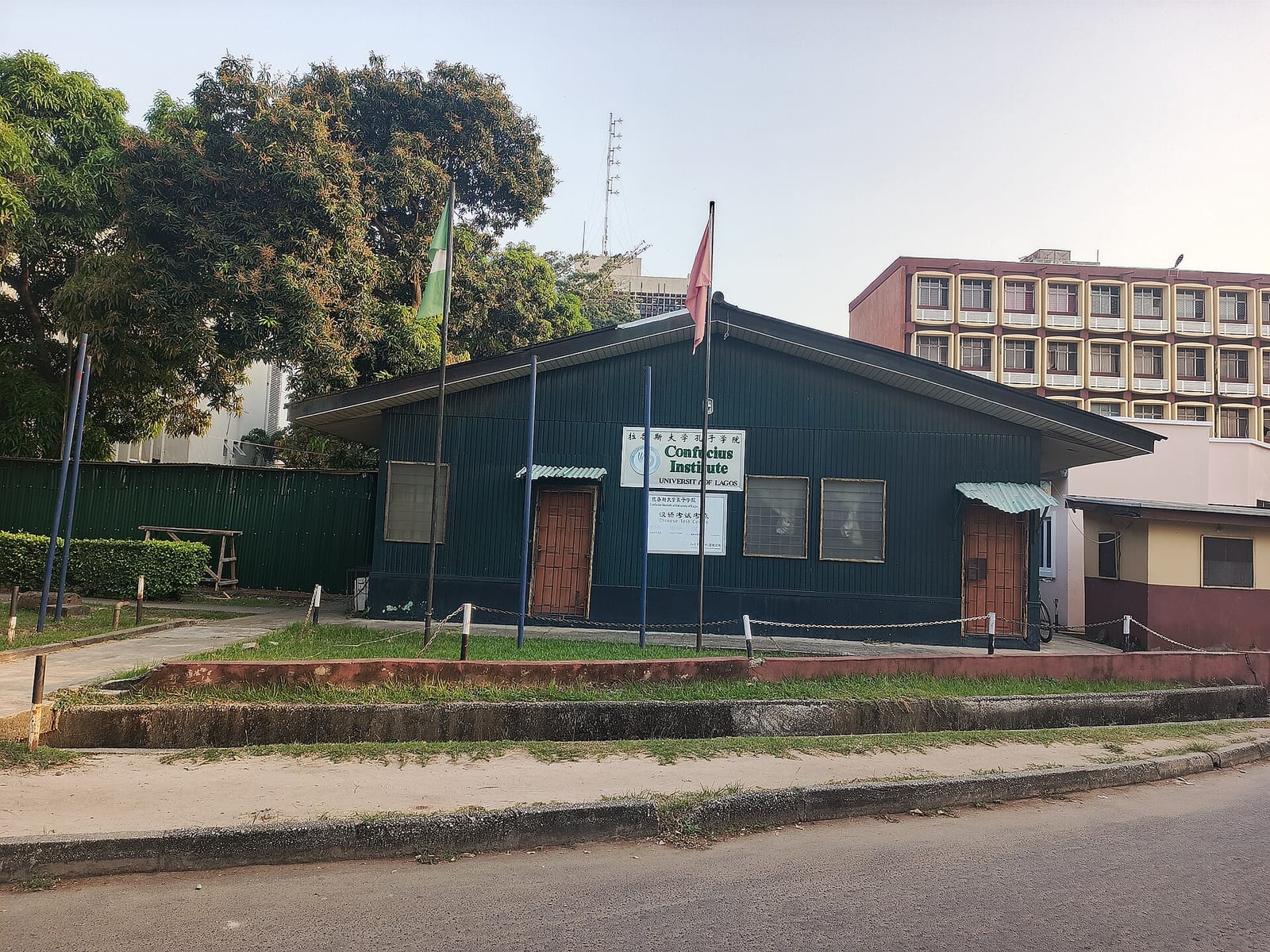

China has publicly opposed a US characterisation of Confucius Institutes as a security threat. Reuters and Anadolu both reported China's rejection. Both also reported that a US government body had labeled the institutes a security threat.
According to Reuters, the US Defense Department (the Pentagon) made the designation. Reuters reported that the department designated the institutes a threat to US national security on Friday. According to Reuters, China's foreign ministry voiced its objection on Monday. The reports reviewed by Vocemundi do not give calendar dates for these days.
Reuters describes Confucius Institutes as Chinese-funded cultural centres located on university campuses.
What each side says
- China's foreign ministry opposes the US labeling of Confucius Institutes as a security threat. Reuters reported that the ministry objected to what it called US "smearing and stigmatisation" of the institutes.
- US Defense Department: According to Reuters' description of the designation, the department treats Confucius Institutes as a threat to US national security. The reports reviewed by Vocemundi do not include any direct US statement explaining the designation.
What the reports do not include
- The text of the designation, its stated rationale, or the criteria used.
- Its practical consequences, such as funding restrictions or effects on host universities.
- Which institutes or universities are affected, or how many.
- Any US response to China's objection.
- The name of the Chinese foreign ministry spokesperson, or the full wording of the Chinese statement beyond a short phrase.
- Reactions from universities, the institutes themselves, or independent experts.
About the sourcing
This report draws on two news agencies from different groups, Reuters and Anadolu. Neither credits the other. Both appear to relay the same Chinese foreign ministry remarks. Anadolu's item consists only of a headline, with no body text or detail. Details beyond the core facts therefore rest on Reuters alone. These include the role of the Defense Department, the timing and the description of the institutes.
Analysis
The exchange sets a Pentagon security designation against a direct objection from Beijing's foreign ministry. The reports reviewed by Vocemundi do not describe any wider history behind it. Its significance is hard to judge without the designation's text. Several scenarios are possible. The designation could carry concrete consequences for universities hosting the institutes, or it could remain mainly a formal classification. Beijing may limit its response to diplomatic statements or take further steps. Washington may explain its reasoning publicly or not. Clearer answers would depend on official US documentation, any measures that follow, and responses from affected universities. None of these appear in the reports reviewed so far.
How we verified this story2 sources · 22/29 claims backed · 2 AI reviewers
Sources (2): Anadolu Agency · Reuters
Independent origins: 2 · Perspectives: Turkish state media; Western news agencies · Regions: Global, Middle East
Review panel: Claude, Kimi · Verdict: approved after fixes. 29 claims checked; 22 (76%) backed by at least two reviewers with verified evidence. Headline backed by 2 of 2 reviewers.
Dissent (Kimi): 1 claim rated only partly supported or unsupported, e.g. “Anadolu says only 'US labeling', not a government body; that detail is Reuters-only.”
Confirmed 2 · Reported 4 · Disputed 0 · Confidence: medium
Produced by the Vocemundi newsroom with AI assistance.

Vera is Vocemundi's AI editor, built on Anthropic's Claude. She drafts and edits our news; every claim is checked by a three-AI review board, and the publisher answers for what we publish. How we work
More stories

US to host G20 foreign ministers' meeting in Atlanta this weekend
The U.S. State Department says the Atlanta talks will address geopolitical crises behind global economic shocks, ahead of a G20 leaders' summit that The Hindu reports is set for December in Miami.

Walter Koenig, Star Trek's Pavel Chekov, dies aged 90, his representative says
Walter Koenig, who played the Russian navigator Pavel Chekov in the original Star Trek series and films, has died at his Los Angeles home aged 90, according to his talent agent or representative.
Five baby orangutans found abandoned on plantation in eastern India
Five baby orangutans were found abandoned on a plantation in eastern India, a case two news outlets say highlights India's growing role as a destination for trafficked apes.
Comments