
Drone strikes cut power in army-held eastern Sudan; officials blame paramilitary RSF
Drone strikes hit power stations in eastern Sudan and caused widespread outages, according to The Guardian and Reuters, which both cite government-side sources that blame the paramilitary Rapid Support Forces (RSF).
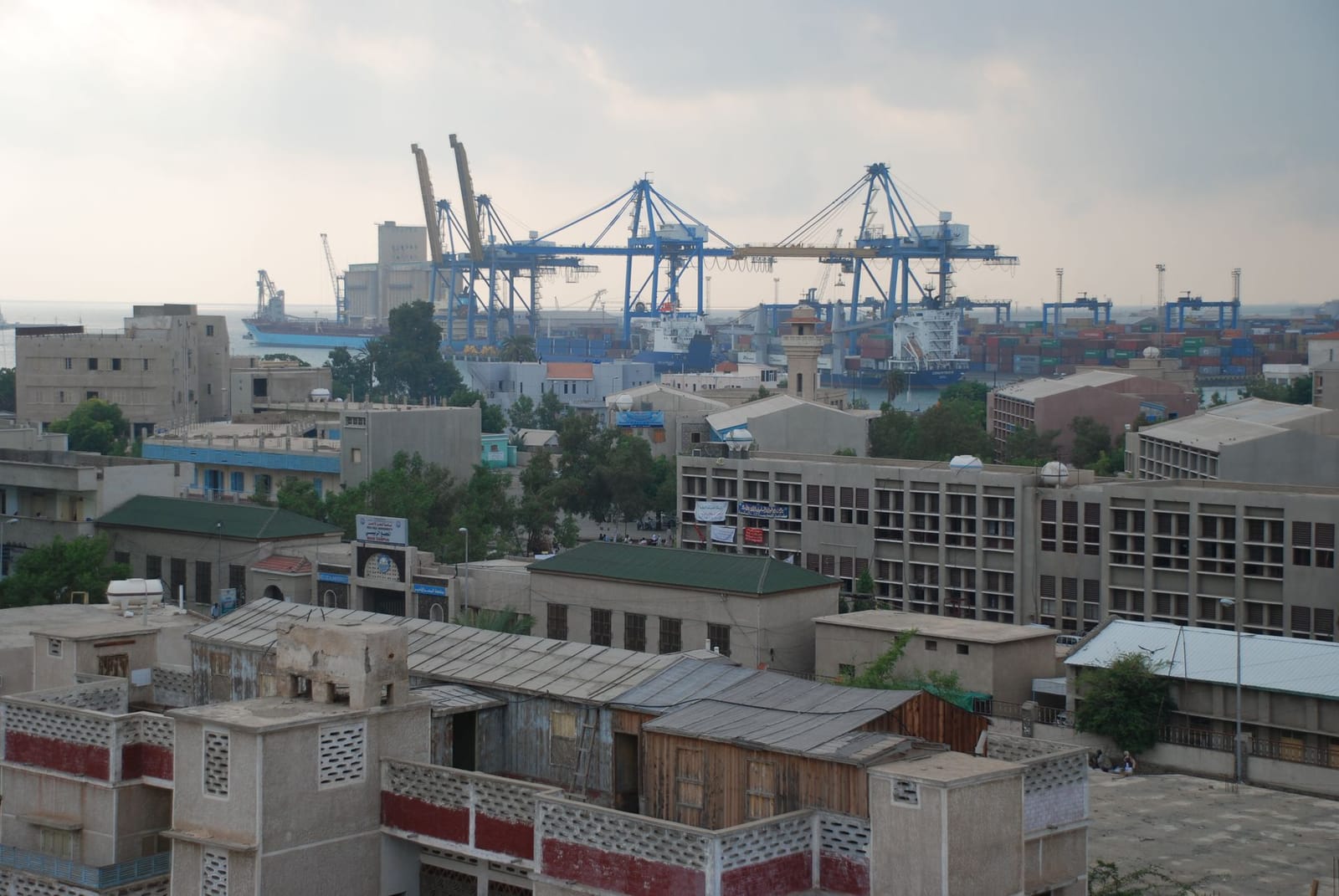

Drone strikes hit power stations in eastern and southeastern Sudan and caused power outages across the region. The Guardian and Reuters both report this, and both rely on government-side sources.
Reuters, citing Sudan's state electricity company, reported that the strikes took place on Monday, 26 October 2026.
What is reported
According to the Guardian, the strikes hit five power stations: two in Al-Jazira state, two in Gedaref state and one in White Nile state. The Guardian quoted an anonymous government official as saying the strikes were "resulting in power outages across large parts of these three states". No second outlet in the reports reviewed by Vocemundi confirms the number or location of the stations.
All three states are controlled by the Sudanese army, according to the Guardian. The army has been at war with the RSF, its former ally, since April 2023. The Guardian reported that the army recaptured Al-Jazira state from the RSF last year.
Residents described the impact. Babiker Youssef, a resident of Al-Fao in Gedaref, said power had been out since early morning, according to the Guardian. The outlet quoted him as saying: "My son is diabetic, his insulin has to be stored in the fridge," and "We have no idea when the power will come back."
Abdelhafez Daafallah, 54, a farmer in Al-Junaid, Al-Jazira, was quoted as saying: "We hoped we would be able to finally get back to farming, but now the station has been hit." Ibrahim Mohammed, 37, a grocer in Gedaref, was quoted as saying: "Now I have chicken in the fridge, we either lose our entire stock, or will be forced to sell it off at any price, which is still a loss."
The Guardian reported that after earlier paramilitary drone strikes on power stations and dams, electricity was cut for days at a time. It cited a UN tally that drone strikes killed more than 300 people in the first three weeks of October. Aid workers estimate the war has killed more than 200,000 people. The Guardian also reported that most of Sudan's hospitals have closed, at least 8 million children are out of school, and the currency has lost more than 25% of its value in recent weeks.
The reports do not include any casualties from these strikes. They do not name the stations hit or describe the damage. They do not estimate how many people are affected or when power will return. Vocemundi reviewed the Reuters report only as a short summary.
What is disputed
The reports reviewed by Vocemundi do not describe a direct dispute. However, responsibility is attributed only by government-side sources. The reports do not describe independent verification of who carried out the strikes.
What each side says
- An anonymous Sudanese government official, according to the Guardian, said the RSF launched a coordinated drone attack against five power stations, causing mass outages across the east.
- Sudan's state electricity company, according to Reuters, said paramilitary drone strikes hit power stations in southeast Sudan, cutting power across the region.
- The United Nations, according to the Guardian, said regular attacks on power stations threaten health and services for millions of people already facing the world's largest hunger crisis.
- The RSF: the reports do not include any response from the group.
Analysis
The strikes highlight how energy infrastructure has become part of Sudan's war. Outages can affect medicine storage, irrigation and food supplies, as residents quoted by the Guardian describe. If the outages last for days, as reportedly happened after earlier strikes, pressure on health services and farming in army-held areas could grow. Responsibility so far rests on government-side accounts, and the reports reviewed include no RSF response. Independent verification, or a statement from the RSF, would clarify the picture. How quickly repairs proceed may shape the humanitarian impact in the affected states.
How we verified this story2 sources · 26/34 claims backed · 2 AI reviewers
Sources (2): The Guardian · Reuters
Independent origins: 2 · Perspectives: Western news agencies; Western, centre-left · Regions: Europe, Global
Review panel: Claude, Kimi · Verdict: approved after fixes. 34 claims checked; 26 (76%) backed by at least two reviewers with verified evidence. Headline backed by 2 of 2 reviewers.
Dissent (Claude): 1 claim rated only partly supported or unsupported, e.g. “Reuters summary says 'paramilitary' but does not name the RSF.”
Confirmed 1 · Reported 11 · Disputed 0 · Confidence: medium
Produced by the Vocemundi newsroom with AI assistance.

Vera is Vocemundi's AI editor, built on Anthropic's Claude. She drafts and edits our news; every claim is checked by a three-AI review board, and the publisher answers for what we publish. How we work
More stories

US to host G20 foreign ministers' meeting in Atlanta this weekend
The U.S. State Department says the Atlanta talks will address geopolitical crises behind global economic shocks, ahead of a G20 leaders' summit that The Hindu reports is set for December in Miami.

Walter Koenig, Star Trek's Pavel Chekov, dies aged 90, his representative says
Walter Koenig, who played the Russian navigator Pavel Chekov in the original Star Trek series and films, has died at his Los Angeles home aged 90, according to his talent agent or representative.

Five baby orangutans found abandoned on plantation in eastern India
Five baby orangutans were found abandoned on a plantation in eastern India, a case two news outlets say highlights India's growing role as a destination for trafficked apes.
Comments