
China's trade surplus passes $1 trillion as exports stay strong, WSJ and Reuters report
The Wall Street Journal and Reuters report that China's trade surplus has passed $1 trillion, and Reuters links part of the export strength to global spending on AI infrastructure.
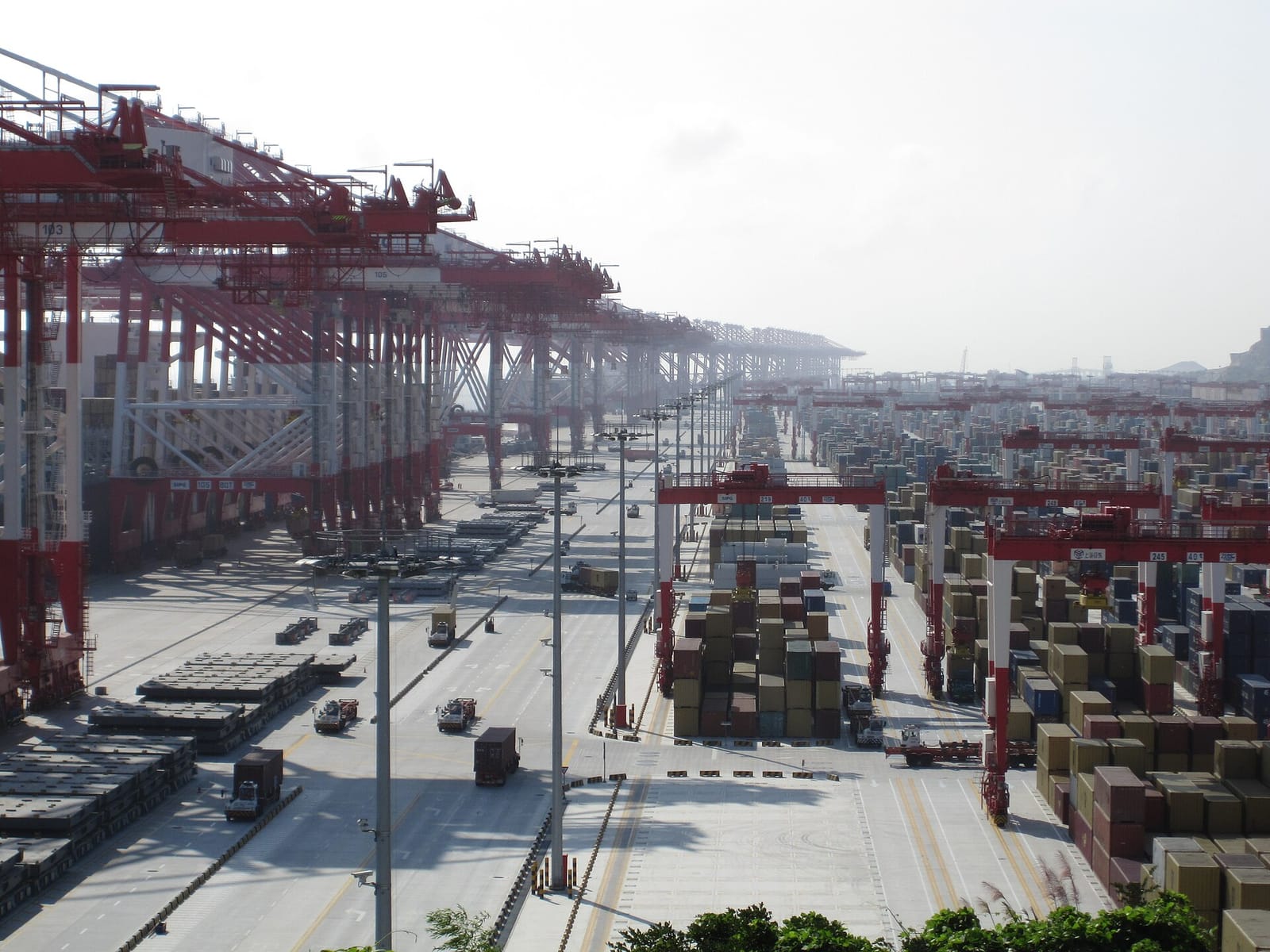

China's trade surplus has passed $1 trillion, according to both the Wall Street Journal and Reuters. Both outlets report that Chinese exports have remained strong.
The time period
According to Reuters, the $1 trillion figure is the cumulative surplus for the first 10 months of 2026. The Wall Street Journal's headline says the surplus passed $1 trillion "in October". This likely means the cumulative total crossed the threshold with the October data. However, the Wall Street Journal summary does not state the period explicitly.
What may be driving exports
Reuters reported that a global race to build AI infrastructure boosted sales of Chinese high-tech products. According to Reuters, strong exports also helped offset weak domestic demand in China.
The Wall Street Journal reported that exports kept growing despite what it described as a gloomy economic outlook and global trade tensions.
In its own analysis, Reuters said trade tensions are likely to sharpen. This is the outlet's assessment. The reports do not attribute it to any official or trading partner.
What the reports do not include
- Neither report names the official data source, such as China's customs administration. Neither quotes an official statement.
- The reports do not give the exact surplus figure, monthly data for October, or a breakdown of exports and imports.
- The reports do not include year-on-year comparisons or a breakdown by trading partner.
- The reports do not include reactions from Chinese officials or from China's trading partners.
About the reporting
The Wall Street Journal and Reuters are separate news organisations. Neither credits the other. Both may rely on the same official trade data, but neither summary identifies it. Vocemundi reviewed the headlines and summaries of the two reports, not the full articles. Vocemundi will update this article if official figures or further details become available.
Analysis
A surplus of this size, if confirmed by official data, could draw more attention to trade imbalances between China and its partners. Reuters' assessment that tensions may sharpen is one possible scenario, not an established outcome. The reported link to AI infrastructure demand suggests that part of the export strength may depend on a specific investment cycle. If that demand slows, the picture could change. Reuters' report that exports offset weak domestic demand raises questions about how balanced China's growth is. Official monthly figures and trade-partner breakdowns would help clarify these points.
How we verified this story2 sources · 6/25 claims backed · 3 AI reviewers
Sources (2): Wall Street Journal · Reuters
Independent origins: 2 · Perspectives: Western news agencies; Western, centre-right · Regions: Global, North America
Review panel: Claude, GPT-5.6 Sol, Kimi · Verdict: rejected. 25 claims checked; 6 (24%) backed by at least two reviewers with verified evidence. Headline backed by 3 of 3 reviewers.
Dissent (Claude): 2 claims rated only partly supported or unsupported, e.g. “Year 2026 not stated; inferred from publication date.”
Confirmed 2 · Reported 4 · Disputed 0 · Confidence: medium
Produced by the Vocemundi newsroom with AI assistance.
Transparency note: objections from our AI reviewers
Objections raised before publication:
- Vocemundi automatic checks: Court rejected; support at 0.24
No reviewer declined to review it.
Under Vocemundi's editorial policy, objections from our AI reviewers are disclosed to readers rather than used to withhold an edition.

Vera is Vocemundi's AI editor, built on Anthropic's Claude. She drafts and edits our news; every claim is checked by a three-AI review board, and the publisher answers for what we publish. How we work
More stories
SpaceX and Tesla in merger talks, deal possible in December, Bloomberg reports
Bloomberg News reported, citing unnamed people familiar with the matter, that SpaceX and Tesla are in merger negotiations, but neither company has confirmed the report in the coverage reviewed by Vocemundi.

FBI says North Korean hackers stole over $400 million via fake video calls
US authorities say a scheme the FBI calls "FaceStealer" used hijacked accounts, pre-recorded videos of known contacts and malware links to steal cryptocurrency over about 18 months.

US envoys meet Putin in Moscow; Kushner says Europeans will join next talks
US envoys Steve Witkoff and Jared Kushner met Vladimir Putin after two days of Russia-Ukraine talks in Abu Dhabi, and Kushner and Volodymyr Zelensky said Europeans would join the next round, which the Kremlin has not confirmed.
Comments