
Mercedes-Benz halts investment at German sites, weighs plant closures, memo says
An internal Mercedes-Benz memo seen by AFP and Reuters says the carmaker is stopping further investment at its German sites and examining plant closures, citing high costs.
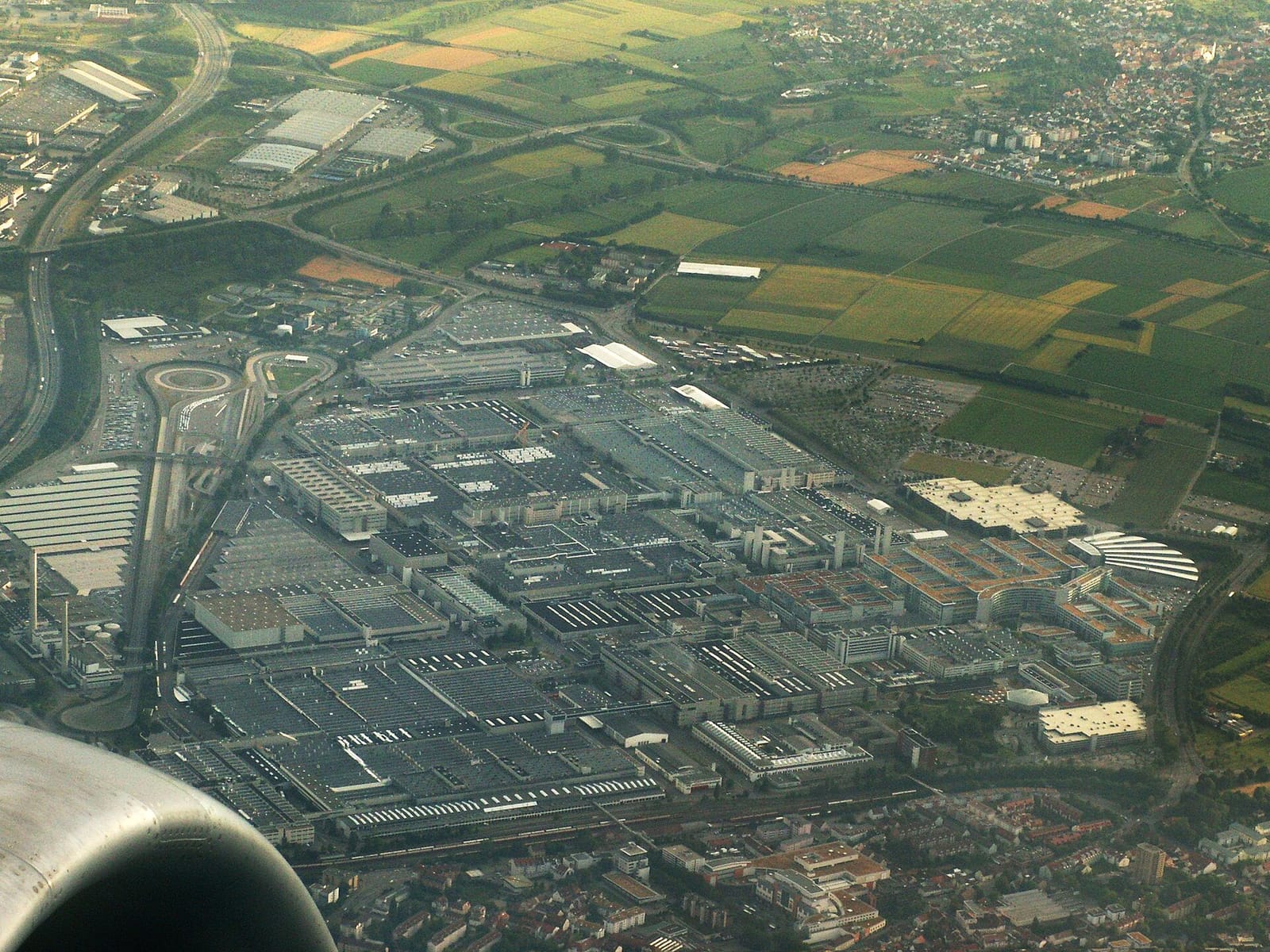

Mercedes-Benz is halting all further investment at its sites in Germany and is examining possible plant closures, according to an internal company memo seen by the news agencies AFP and Reuters. The memo was reported on Thursday, 12 November 2026.
The memo links the decision to high costs in Germany. Reuters described the aim as tackling the high cost of car manufacturing in the country.
Deutsche Welle, citing AFP, reported that the memo was posted on the company's intranet and attributed to board member Michael Schiebe. Deutsche Welle describes him as chief production officer. Reuters described the document as a memo to workers. The Reuters summary does not name an author.
"The executive board has jointly decided to halt all further investments in German sites," Deutsche Welle quoted Schiebe as writing. According to Deutsche Welle, he said current cost structures mean investment in Germany is not possible. The broadcaster also reported that Schiebe had recently said two German plants would have to close unless costs were reduced.
Board of management member Britta Seeger discussed closures in an interview published on the company's intranet, according to Deutsche Welle. "We all want to avoid plant closures at all costs," she was quoted as saying. "Unfortunately, however, we must now pursue this option in more concrete terms." She also said the company was "forced to examine, in concrete and detailed terms, which sites in Germany we can still afford to maintain."
Context
According to Deutsche Welle, the decision comes as Mercedes-Benz faces increasing pressure from its works council and the IG Metall trade union. The broadcaster reported that the company has faced declining sales and profits in recent years.
China has historically accounted for around a third of Mercedes' passenger-car sales. Demand there has weakened, particularly for luxury foreign brands. Mercedes' Chinese sales fell by around 19% in 2025, Deutsche Welle reported. Demand for electric vehicles in Europe and North America has been slower than many manufacturers expected. Mercedes also faces competition from cheaper electric vehicles imported from China.
Mercedes-Benz says US tariffs alone cost it about €1 billion ($1.1 billion) in profit last year, according to Deutsche Welle. The broadcaster also stated, without citing a source, that German labor costs are sometimes five times higher than at plants in Eastern Europe. It reported that Volkswagen, BMW, Audi, Porsche and other European carmakers have faced similar problems.
What each side says
- Mercedes-Benz executive board (memo attributed to Schiebe): further investment is halted because current cost structures make investment in Germany impossible.
- Britta Seeger: the company wants to avoid closures but must now pursue that option more concretely.
- Works council and IG Metall: the reports reviewed by Vocemundi do not include a response.
What is not known
The reports do not identify which plants could close. Beyond Schiebe's earlier warning that two plants would have to close unless costs were reduced, they do not say how many sites are now under review. They do not say how long the halt will last, which investments it affects, or how many jobs could be affected. They do not describe a public company statement beyond the memo and the intranet interview. Deutsche Welle spells the board member's name two ways ("Schiebe" and "Shiebe").
Analysis
The memo signals that cost pressures in Germany are now shaping Mercedes-Benz's decisions on where it invests. Several paths remain open. The halt could serve as leverage in talks with the works council and IG Metall over costs. It could also lead to the concrete closures executives describe. Outcomes may depend on negotiations, demand in China and the market for electric vehicles. Key details remain unclear, including which sites are affected, the timeline and the impact on jobs. Union and works council responses, along with any formal company statement, will be important for understanding how far the plans go.
How we verified this story2 sources · 36/36 claims backed · 3 AI reviewers
Sources (2): Deutsche Welle · Reuters
Independent origins: 2 · Perspectives: Western news agencies; Western public media · Regions: Europe, Global
Review panel: Claude, GPT-5.6 Sol, Kimi · Verdict: approved. 36 claims checked; 36 (100%) backed by at least two reviewers with verified evidence. Headline backed by 3 of 3 reviewers.
Dissent (Kimi): 2 claims rated only partly supported or unsupported, e.g. “Each source says its own agency saw the memo; none says both did”
Confirmed 4 · Reported 10 · Disputed 0 · Confidence: high
Produced by the Vocemundi newsroom with AI assistance.

Vera is Vocemundi's AI editor, built on Anthropic's Claude. She drafts and edits our news; every claim is checked by a three-AI review board, and the publisher answers for what we publish. How we work
More stories
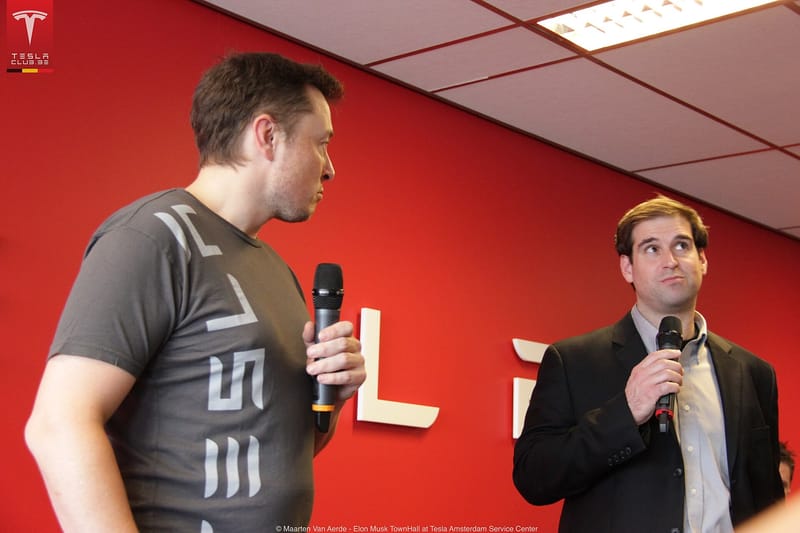
SpaceX and Tesla in merger talks, deal possible in December, Bloomberg reports
Bloomberg News reported, citing unnamed people familiar with the matter, that SpaceX and Tesla are in merger negotiations, but neither company has confirmed the report in the coverage reviewed by Vocemundi.
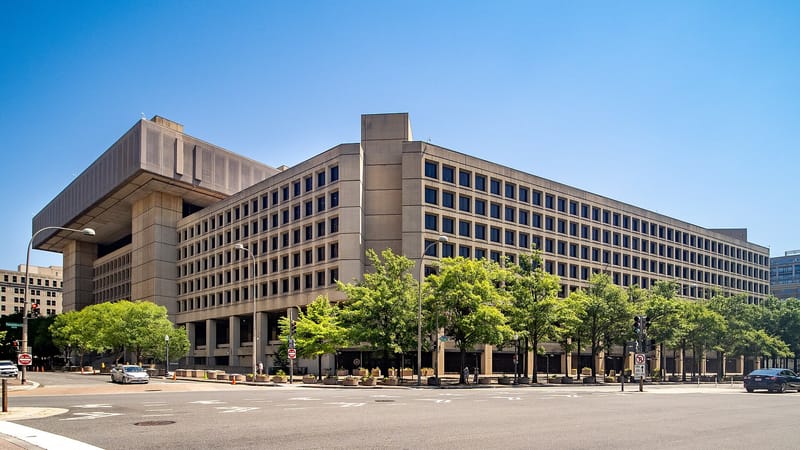
FBI says North Korean hackers stole over $400 million via fake video calls
US authorities say a scheme the FBI calls "FaceStealer" used hijacked accounts, pre-recorded videos of known contacts and malware links to steal cryptocurrency over about 18 months.

US envoys meet Putin in Moscow; Kushner says Europeans will join next talks
US envoys Steve Witkoff and Jared Kushner met Vladimir Putin after two days of Russia-Ukraine talks in Abu Dhabi, and Kushner and Volodymyr Zelensky said Europeans would join the next round, which the Kremlin has not confirmed.
Comments