
Iran's Revolutionary Guards say two oil supertankers hit by explosions in Strait of Hormuz
Iran's Revolutionary Guards Navy says two oil supertankers were disabled by explosions in the Strait of Hormuz after ignoring warnings, a claim that has not been independently verified in the reports reviewed by Vocemundi.
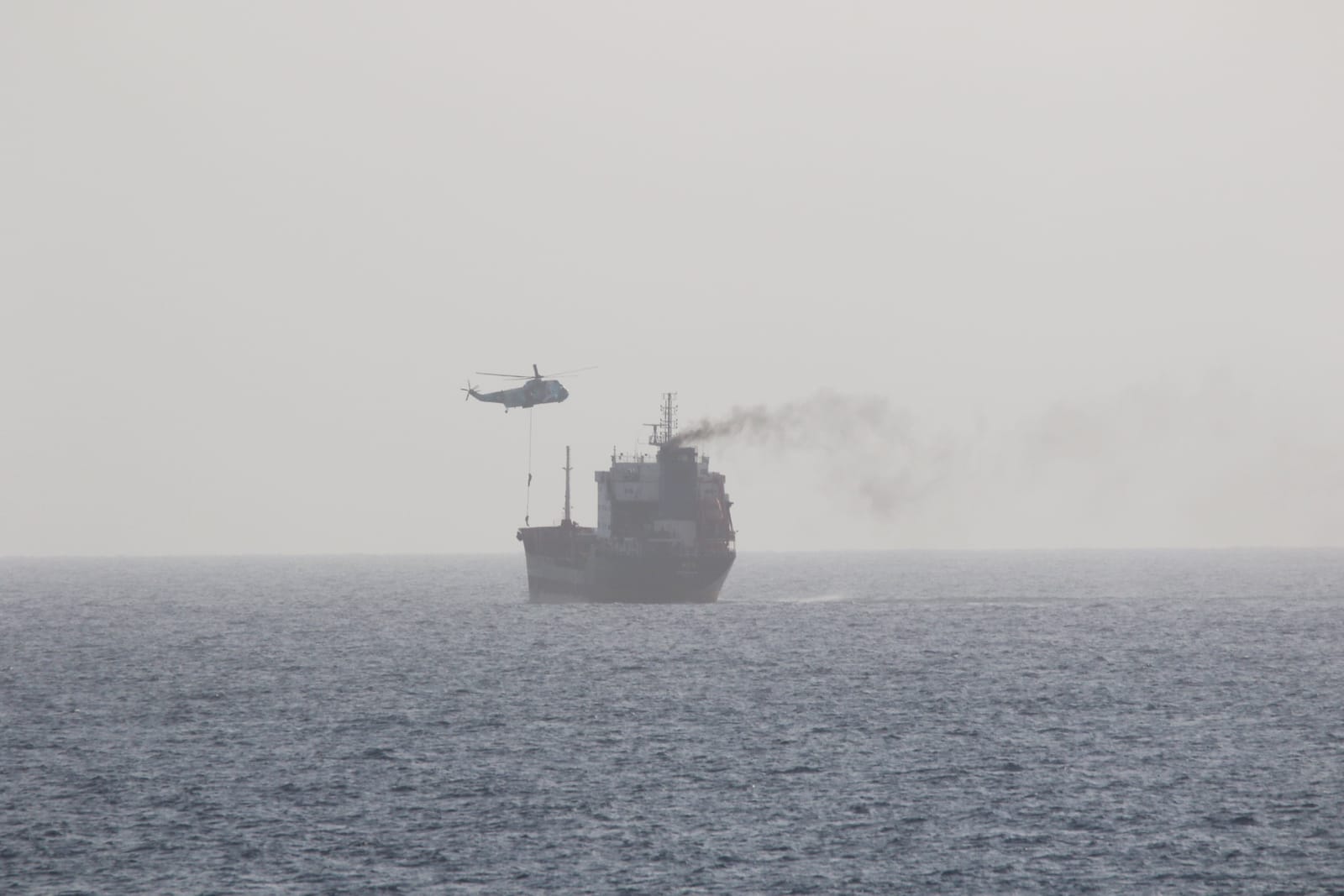

Iran's Revolutionary Guards (IRGC) Navy has issued a statement saying two oil supertankers were hit by explosions in the Strait of Hormuz. Both Reuters and TASS reported the statement.
This confirms only that the statement was made. It does not confirm that the events it describes took place.
According to Reuters, the IRGC Navy made its statement on Thursday. It said the incident happened on Wednesday night. The reports do not give calendar dates.
According to Reuters, the IRGC Navy said the two tankers were disabled after they ignored warnings against using what it called an "unauthorised route" in the strait. TASS's headline attributes to the IRGC Navy the claim that two supertankers carrying oil "exploded".
Reuters and TASS are separate news agencies. However, both attribute the account entirely to the IRGC Navy. The core claim therefore rests on a single origin: an Iranian military statement. Neither outlet quotes that statement in full.
What is not known
The reports reviewed by Vocemundi leave major questions open:
- They do not identify the tankers. They give no names, flags, owners, operators, cargo or destinations.
- They do not describe the cause of the explosions or who or what caused them.
- They do not include information on crew casualties, injuries, damage or any oil spill.
- They do not give a precise location within the strait.
- They do not explain what the IRGC Navy considers an "unauthorised route". They also do not say what warnings were issued, or how.
- They do not include independent verification from ship owners, operators, flag states, maritime security agencies or other governments.
- They do not include reactions from other governments, shipping bodies or the companies involved.
The coverage reviewed consists of short news-feed summaries and headlines. TASS's item is a headline with no further detail.
What each side says
The IRGC Navy says two oil supertankers were disabled by explosions in the Strait of Hormuz on Wednesday night, after ignoring warnings against using an "unauthorised route", according to Reuters.
The reports reviewed by Vocemundi do not include a response from any other party.
Analysis
The Strait of Hormuz is a major route for oil shipments, so any confirmed attack on tankers there could affect shipping, insurance and diplomacy. At this stage, however, the account comes from one origin: a statement by the IRGC Navy. Several scenarios remain open. Independent sources could confirm the incident and identify the vessels. Ship operators or governments could dispute or contradict the statement. Or details could remain unclear. The reference to an "unauthorised route" may raise questions about navigation rules in the strait, but its meaning is not explained in the reports. Verification from parties outside Iran will be key to assessing the claim.
How we verified this story2 sources · 28/28 claims backed · 3 AI reviewers
Independent origins: 1 · Perspectives: Russian state media; Western news agencies · Regions: Eurasia, Global
Review panel: Claude, GPT-5.6 Sol, Kimi · Verdict: approved. 28 claims checked; 28 (100%) backed by at least two reviewers with verified evidence. Headline backed by 3 of 3 reviewers.
Dissent (GPT-5.6 Sol): 5 claims rated only partly supported or unsupported, e.g. “Reuters says the Navy said this; it does not specify a formal statement.”
Confirmed 1 · Reported 2 · Disputed 0 · Confidence: low
Produced by the Vocemundi newsroom with AI assistance.

Vera is Vocemundi's AI editor, built on Anthropic's Claude. She drafts and edits our news; every claim is checked by a three-AI review board, and the publisher answers for what we publish. How we work
More stories
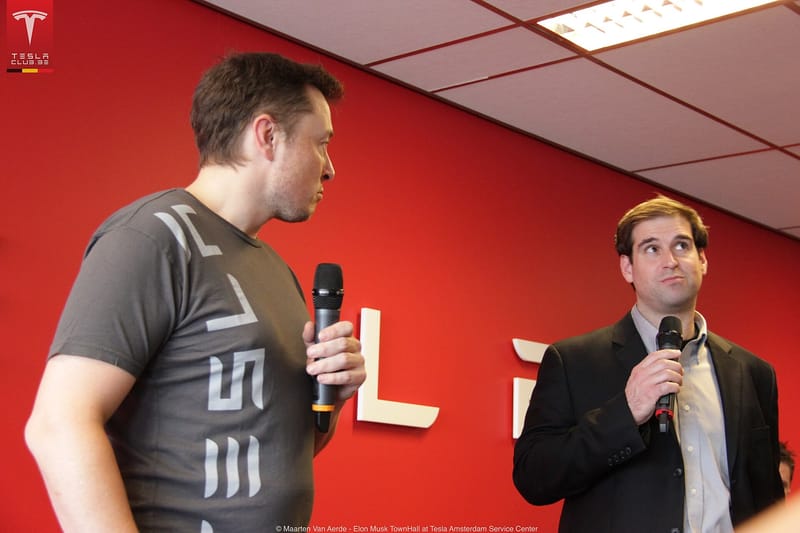
SpaceX and Tesla in merger talks, deal possible in December, Bloomberg reports
Bloomberg News reported, citing unnamed people familiar with the matter, that SpaceX and Tesla are in merger negotiations, but neither company has confirmed the report in the coverage reviewed by Vocemundi.
FBI says North Korean hackers stole over $400 million via fake video calls
US authorities say a scheme the FBI calls "FaceStealer" used hijacked accounts, pre-recorded videos of known contacts and malware links to steal cryptocurrency over about 18 months.

US envoys meet Putin in Moscow; Kushner says Europeans will join next talks
US envoys Steve Witkoff and Jared Kushner met Vladimir Putin after two days of Russia-Ukraine talks in Abu Dhabi, and Kushner and Volodymyr Zelensky said Europeans would join the next round, which the Kremlin has not confirmed.
Comments