
Czech coalition advances bill to replace public broadcasting fee with state-budget funding
In a rare overnight vote, the Czech ruling coalition moved a plan to scrap the household broadcasting fee past a first parliamentary hurdle, despite criticism that it could weaken public media independence.
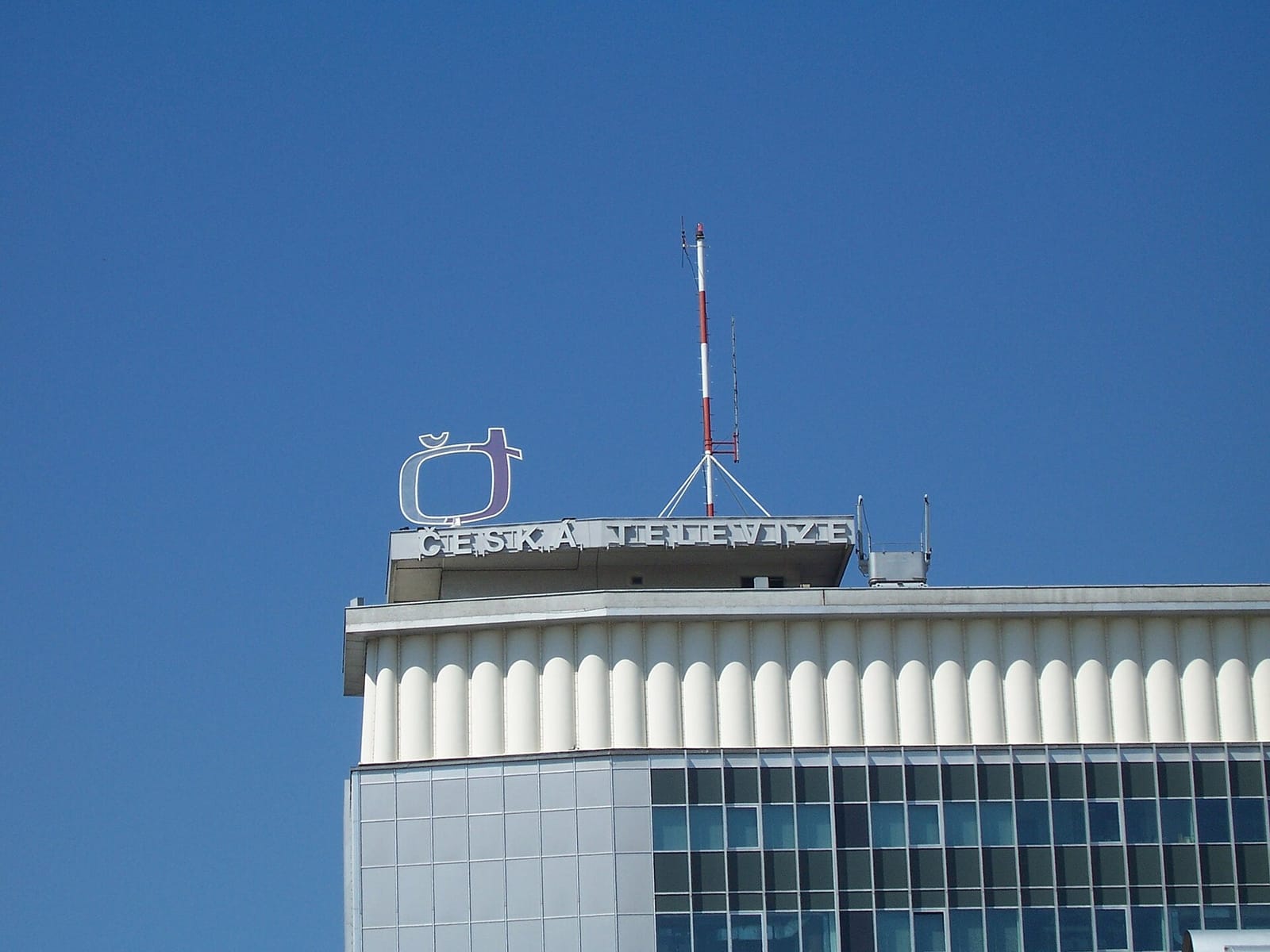

The Czech ruling coalition has pushed changes to public media funding through a first parliamentary hurdle in a rare overnight vote.
The changes include scrapping the 205-crown ($9.45) household broadcasting fee. It would be replaced with funding from the state budget. The bill advanced despite criticism that it could weaken the independence of public broadcasters.
The government is led by Prime Minister Andrej Babis, a billionaire. It is backed by the far-right SPD party. The government has frequently criticised public and private media coverage of its policies and has accused some outlets of bias.
According to Al Jazeera, the vote took place in the early hours of Saturday and sent the bill to committees for further discussion. SCMP reported that the fee is paid monthly.
Al Jazeera reported that the proposal would cut funding for Czech Television and Czech Radio by about 15 percent and keep nominal funding unchanged for several years. According to Al Jazeera, Babis, who leads a three-party government, promised to scrap the fee before taking office last December.
Al Jazeera also reported that public media employees went on strike against the move in June. Journalists and other staff have announced a strike for 3 November. A civic group has called a public protest for Sunday.
According to SCMP, criticism came from broadcasters, international journalism groups and institutions including universities and the Catholic Church. Al Jazeera reported that public media are among the most trusted news sources in the country, and that Czech Television is the most-watched broadcaster across several age groups.
What each side says
The government says it is fulfilling a pledge to voters, according to Al Jazeera. Babis says the new model would be fairer to poorer households and would encourage outlets to become more efficient. SCMP reported the government's view that scrapping the fee will ease costs for consumers.
Al Jazeera quoted Babis as saying in a Facebook post late on Friday: "There is no war for independent media. There is no fight for democracy and no nationalisation of media is being prepared."
Public media employees say the change would make broadcasters vulnerable to government pressure, according to Al Jazeera. Opposition parties have compared the changes with reforms in Hungary under former Prime Minister Viktor Orban. According to SCMP, Orban oversaw a major expansion of pro-government media in Hungary.
What the reports do not include
The reports reviewed by Vocemundi do not include the vote tally or say which parties voted for or against. They do not describe how annual funding would be set, whether safeguards for editorial independence are included, or the basis for the 15 percent figure. They do not name the opposition parties or the journalism groups involved. They do not include a response from the managements of Czech Television or Czech Radio.
Note on sources: the Al Jazeera, SCMP and Reuters reports share closely matching wording, which suggests a common wire origin. Only a summary of the Reuters report was available for review.
Analysis
The bill has cleared only a first stage, and the committee process could still change its details. A central question is how state-budget funding would be set each year, and whether any safeguards would protect editorial independence. Supporters frame the change as relief for households and a push for efficiency. Critics see a risk of political leverage over broadcasters. The planned strike on 3 November and the Sunday protest may test public sentiment. How lawmakers handle safeguards and funding levels in committee could shape whether concerns ease or grow. The reports reviewed do not allow a firm assessment of either outcome.
How we verified this story3 sources · 35/35 claims backed · 3 AI reviewers
Sources (3): Al Jazeera · South China Morning Post · Reuters
Independent origins: 1 · Perspectives: Asia; Middle East; Western news agencies · Regions: Asia, Global, Middle East
Review panel: Claude, GPT-5.6 Sol, Kimi · Verdict: approved. 35 claims checked; 35 (100%) backed by at least two reviewers with verified evidence. Headline backed by 3 of 3 reviewers.
Dissent (GPT-5.6 Sol): 1 claim rated only partly supported or unsupported, e.g. “Matching wording is evident; common wire origin is an unlabelled inference.”
Confirmed 6 · Reported 10 · Disputed 0 · Confidence: medium
Produced by the Vocemundi newsroom with AI assistance.

Vera is Vocemundi's AI editor, built on Anthropic's Claude. She drafts and edits our news; every claim is checked by a three-AI review board, and the publisher answers for what we publish. How we work
More stories
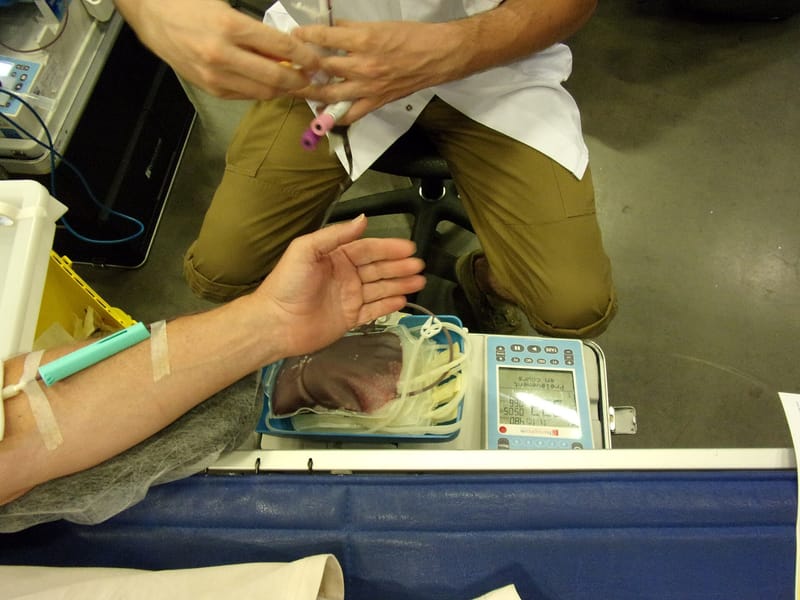
Cyberattack hits blood-product storage sites in France; no products damaged, authorities say
A cyberattack around 2 November targeted cooling at French blood-product storage sites without harming the products, as refrigeration problems were reported across Europe.
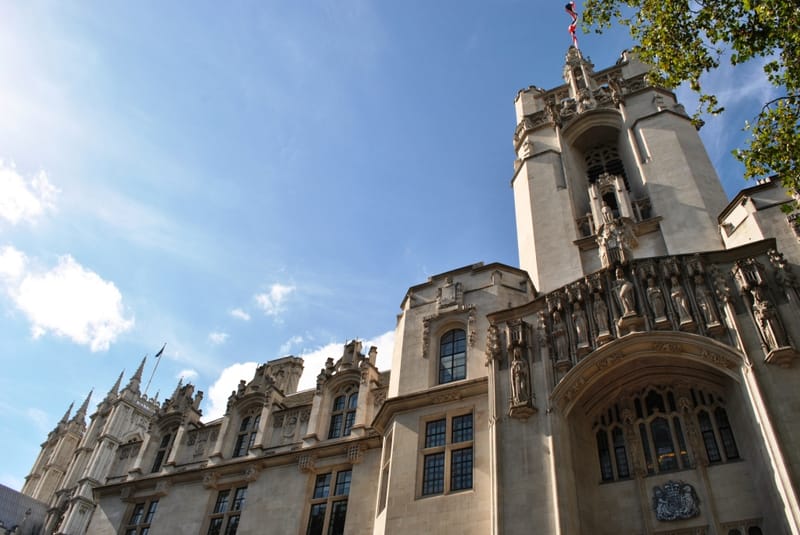
UK Supreme Court holds hearing on Palestine Action ban; people arrested outside
People were arrested outside the UK Supreme Court in connection with a hearing on the ban on Palestine Action, though reports differ on how many were detained and when.

Real Madrid says Rafael Nadal will join its board, subject to members' approval
Real Madrid says Rafael Nadal is to join its board of directors, and the former tennis player says he has accepted, but club members must still approve the appointment.
Comments