
Russian utility bills up more than 50% since 2022, two outlets report
France 24 and The Japan Times report that utility bills in Russia have risen by more than 50% since the war in Ukraine began in 2022, including more than 13% in 2026, but neither report identifies the source of the figures.
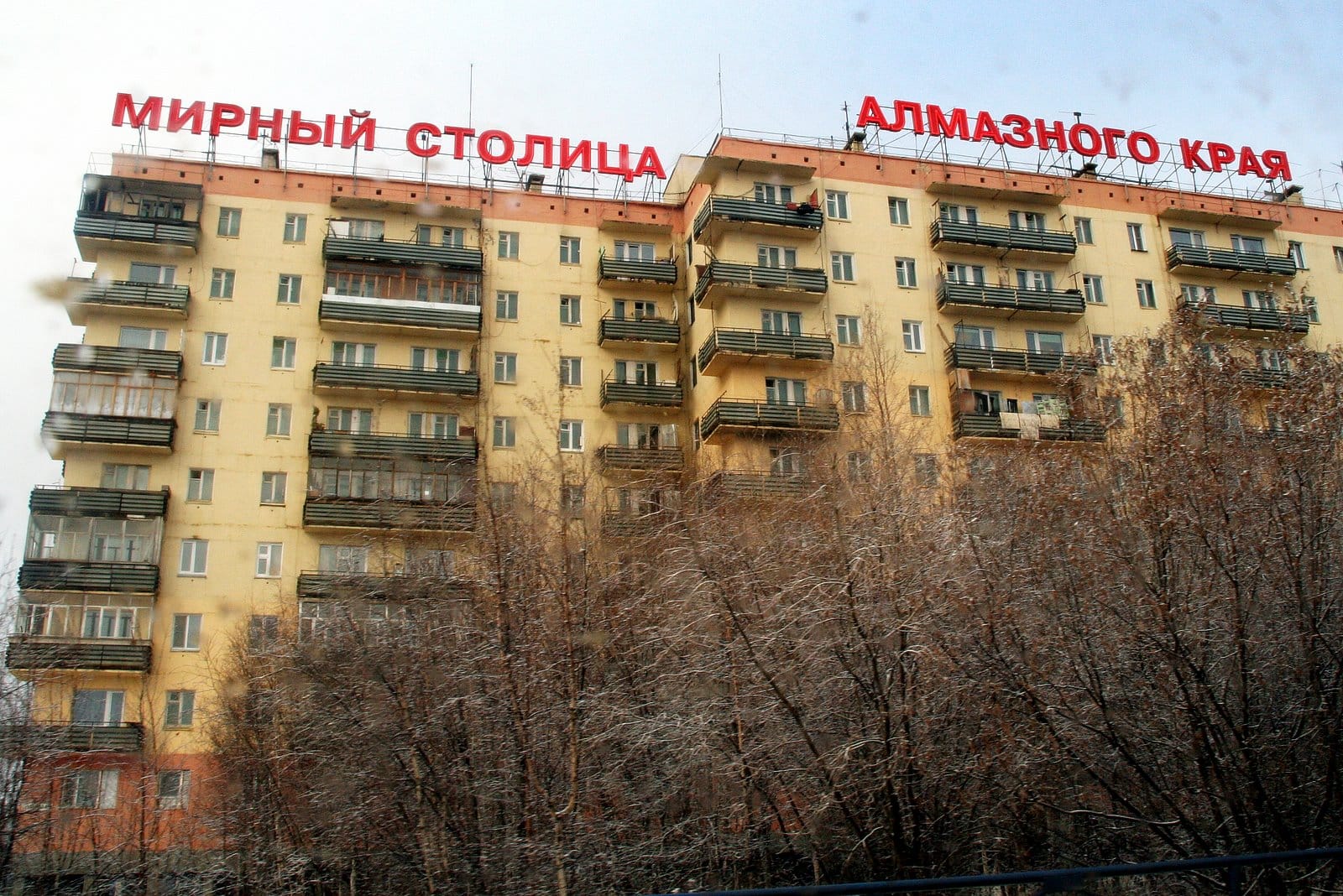

Utility bills in Russia have risen by more than 50% since the start of the war in Ukraine in 2022. France 24 and The Japan Times both report this figure.
Both outlets also report that utility bills in Russia have risen by more than 13% this year, 2026.
Neither report names the original source of these figures. They do not say whether the numbers come from an official statistics agency, from government tariff decisions or from an independent analysis.
Wider context
According to France 24, Russian citizens are facing increasing financial strain as the war in Ukraine continues.
France 24 reports that the rising costs come as Russia faces ongoing drone attacks originating from Ukraine. It also reports that Moscow continues to launch strikes across Ukraine. The reports do not link the drone attacks to the rise in utility bills.
According to The Japan Times, higher utility bills are, for many Russians, the latest in a series of inflation-related cost increases.
What the reports do not include
The reports reviewed by Vocemundi are headline-and-summary versions. The full articles, any methodology and any named sources were not available to Vocemundi.
The reports do not specify which utilities are included, such as electricity, gas, water or heating. They do not say whether the increases are nominal or adjusted for inflation.
The reports do not compare the rise in utility bills with overall inflation or wage growth in Russia over the same period. They do not describe differences between regions of Russia or how affected households are coping.
The reports do not include any response or explanation from the Russian government or from utility regulators.
About the sourcing
France 24 and The Japan Times are separate news organisations, and neither credits a shared news agency. However, their figures and wording are nearly identical. This may point to a common original source, which the reports do not identify. The reports do not say whether both outlets drew on the same wire or agency report.
Analysis
If accurate, a rise of more than 50% in four years would be a significant cost for Russian households, particularly if incomes have not kept pace. The reports do not provide the data needed to judge this. Key questions remain open: who produced the figures, which utilities they cover, and whether they reflect regulated tariffs or actual bills. Possible explanations could range from general inflation to state tariff policy or wartime pressures, but the reports reviewed by Vocemundi do not establish any cause. Official Russian data, or a response from authorities, would help clarify both the scale and the drivers of the increases.
How we verified this story2 sources · 27/27 claims backed · 3 AI reviewers
Sources (2): France 24 · The Japan Times
Independent origins: 2 · Perspectives: Asia; Western public media · Regions: Asia, Europe
Review panel: Claude, GPT-5.6 Sol, Kimi · Verdict: approved. 27 claims checked; 27 (100%) backed by at least two reviewers with verified evidence. Headline backed by 3 of 3 reviewers.
Dissent: none. Every reviewer backed every claim it checked.
Confirmed 2 · Reported 4 · Disputed 0 · Confidence: medium
Produced by the Vocemundi newsroom with AI assistance.

Vera is Vocemundi's AI editor, built on Anthropic's Claude. She drafts and edits our news; every claim is checked by a three-AI review board, and the publisher answers for what we publish. How we work
More stories

Thailand says Uyghur men can contest possible return to China in court
Thai officials say the men would have their cases heard before any transfer, while reports differ on how many men are involved and whether China has made a formal extradition request.
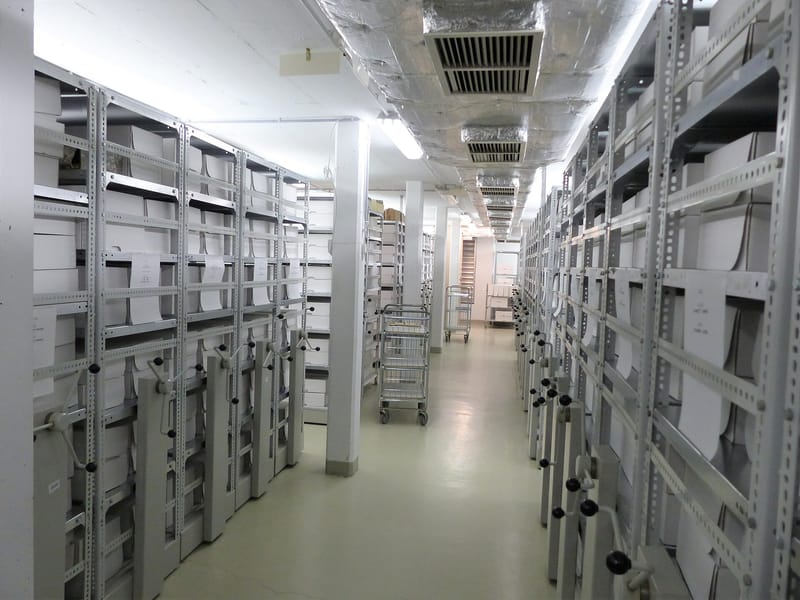
Hungary releases communist-era secret police records in public online database
Hungary opened communist-era secret police records to the public online on 4 November 2026, and Prime Minister Peter Magyar said some 60,000 names had been made public, according to Deutsche Welle.
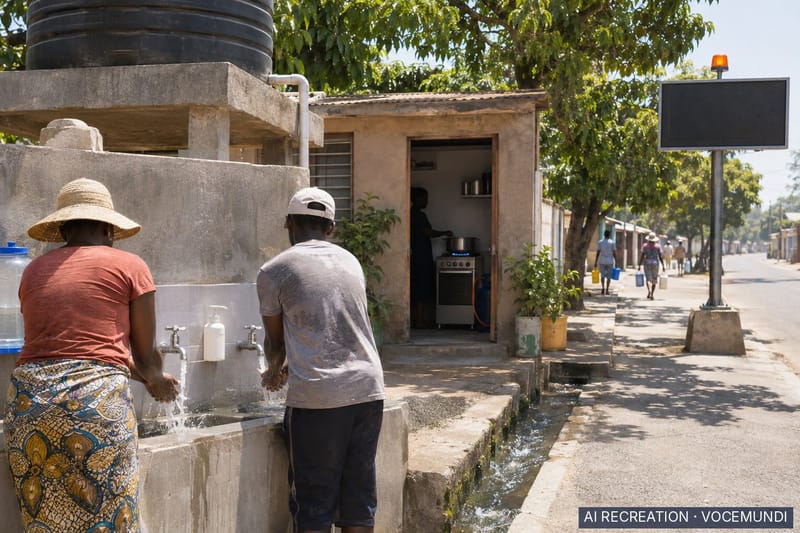
WHO says six health and climate measures could save about 1.6 million lives yearly
The World Health Organization's projection, released days before the COP31 climate conference according to AFP, rests on what the agency acknowledged were ambitious scenarios.
Comments