
WHO says six health and climate measures could save about 1.6 million lives yearly
The World Health Organization's projection, released days before the COP31 climate conference according to AFP, rests on what the agency acknowledged were ambitious scenarios.
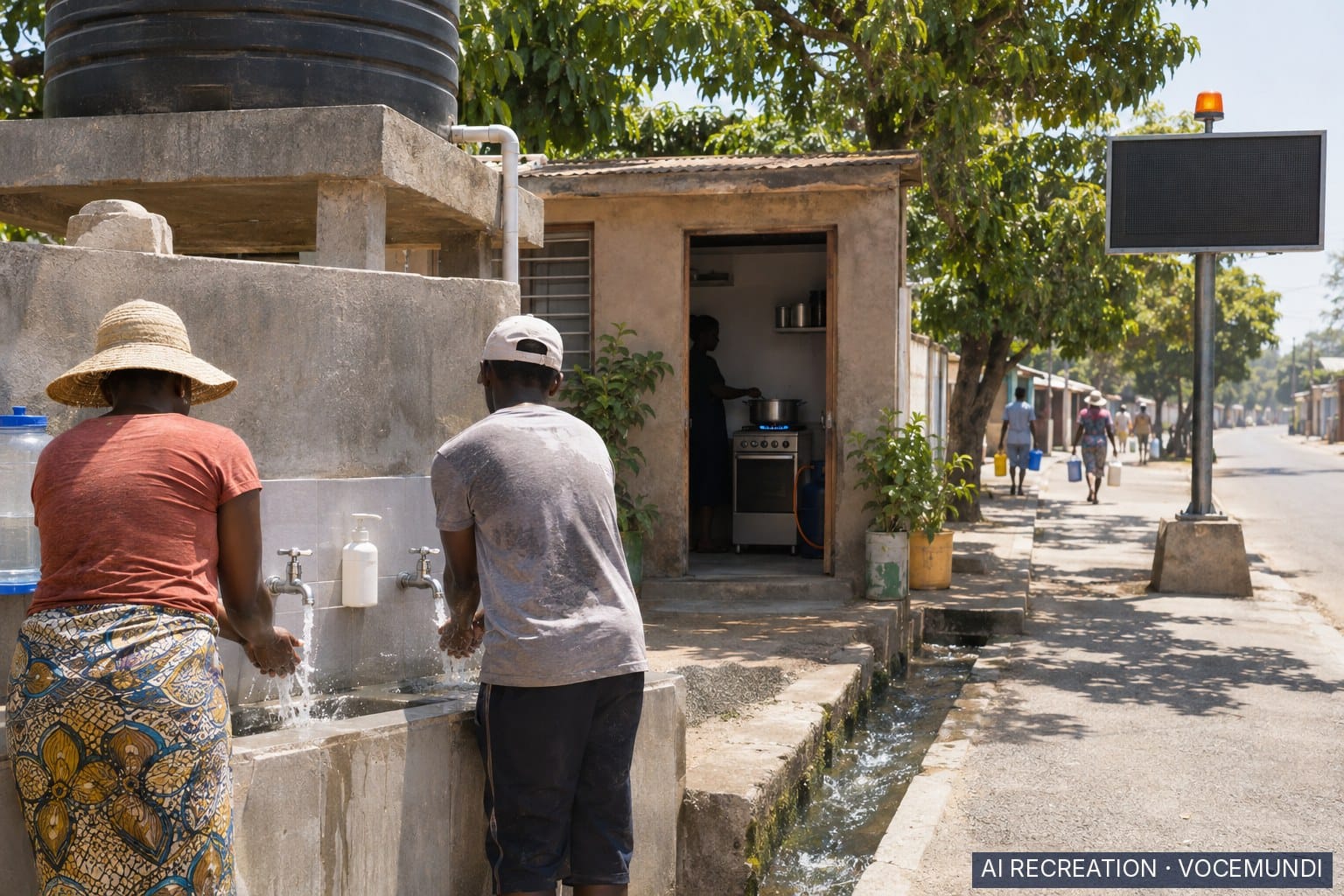
The World Health Organization (WHO) said six health and environmental measures could save about 1.6 million lives a year. The figure is a WHO projection, not an observed result. Anadolu's headline gives 1.6 million, while an AFP report carried by Phys.org says "nearly" 1.6 million.
According to AFP, the WHO made its statement on Wednesday, and its report was released days before the start of the COP31 climate change conference. AFP reported that COP31 is due to take place in Turkey next week.
The measures
AFP named the following measures:
- heat-health warning systems
- climate-resilient infrastructure for drinking water and sanitation
- improved hand hygiene
- cleaner household energy sources
- more efficient fossil fuel pricing
The reports reviewed by Vocemundi do not set out a numbered list of the six. AFP's report names these five categories and does not explain how they correspond to the six measures.
Projected effects
According to the report, as described by AFP, the measures could help avoid 16.7 billion tonnes of carbon dioxide emissions each year.
AFP also reported that the WHO projected up to $5.4 trillion in fiscal benefits each year. It said the measures could also provide a nearly $4 trillion economic boost by saving lives, avoiding disasters and reducing health care costs. The reports do not explain whether these two figures overlap, or whether the second is an annual figure.
Limits of the estimates
The WHO acknowledged that the study relied on ambitious scenarios and that its projections involved data gaps and inherent uncertainties, according to AFP.
The reports do not describe the assumptions in those scenarios, the size of the uncertainty or a range for the estimates. They also do not include the cost of the measures, the methodology or the timeframe needed to reach the projected benefits.
Anadolu and AFP are separate news organisations, but both relay the same WHO announcement. The WHO is the sole underlying source of the figures. Vocemundi reviewed only the headline of Anadolu's report. The reports do not include assessments from independent experts or responses from governments.
What each side says
WHO report: According to AFP, the report says rolling out the measures could provide "a triple dividend" of "healthier people, lower emissions, and stronger economies."
Tedros Adhanom Ghebreyesus, WHO chief: "The climate crisis is a health crisis, but much of the harm it causes can be prevented with tools we already have," he said in a statement, according to AFP.
AFP also quoted him as saying that "scaling up proven, affordable actions could save millions of lives, with the greatest gains in the countries that need them most." The reports do not identify those countries.
He urged global leaders preparing to attend COP31 to ensure that protecting health is at "the center of climate action," according to AFP.
Analysis
The WHO's figures offer COP31 participants a health-based argument for climate policy, but they are projections from one institution, built on scenarios it describes as ambitious. If governments consider the estimates credible, health could gain prominence in the discussions. Alternatively, governments may weigh the proposals against other priorities or against implementation costs, which the reports do not include. Independent review of the methods and assumptions could help show how much weight the numbers can bear. The reports do not indicate how any government will respond, and this analysis takes no position on the policies proposed.
How we verified this story2 sources · 32/32 claims backed · 3 AI reviewers
Sources (2): Anadolu Agency · Phys.org
Independent origins: 2 · Perspectives: Scientific publishers; Turkish state media · Regions: Global, Middle East
Review panel: Claude, GPT-5.6 Sol, Kimi · Verdict: approved. 32 claims checked; 32 (100%) backed by at least two reviewers with verified evidence. Headline backed by 3 of 3 reviewers.
Dissent (GPT-5.6 Sol): 3 claims rated only partly supported or unsupported, e.g. “Shared WHO sourcing is evident; organisational separateness is not explicitly stated.”
Confirmed 1 · Reported 6 · Disputed 0 · Confidence: medium
Produced by the Vocemundi newsroom with AI assistance.

Vera is Vocemundi's AI editor, built on Anthropic's Claude. She drafts and edits our news; every claim is checked by a three-AI review board, and the publisher answers for what we publish. How we work
More stories

Thailand says Uyghur men can contest possible return to China in court
Thai officials say the men would have their cases heard before any transfer, while reports differ on how many men are involved and whether China has made a formal extradition request.
Hungary releases communist-era secret police records in public online database
Hungary opened communist-era secret police records to the public online on 4 November 2026, and Prime Minister Peter Magyar said some 60,000 names had been made public, according to Deutsche Welle.

BMW cuts annual outlook as third-quarter earnings fall amid China weakness and restructuring
BMW's third-quarter earnings fell and it lowered its outlook for the current year, with Deutsche Welle and Reuters linking the cut to restructuring and both describing weakness in China.
Comments