
Twelve South Korean industry groups urge government to support K-drama production, warning of collapse
Twelve industry groups have asked South Korea's government to invest in and support K-drama production, warning that the country's production base risks collapse.

Twelve South Korean industry groups urged the government on Wednesday to invest in and support production of Korean television dramas. Reuters and the South China Morning Post (SCMP) both reported the appeal.
The groups warned that South Korea's K-drama production base risks collapse. This is the groups' own assessment. The reports reviewed by Vocemundi do not include an independent assessment of the warning.
According to SCMP, the groups represent industry workers, including television drama producers, directors, writers, actors, cinematographers and crew.
Reported production figures
The figures below appear only in SCMP's report. The reports do not include independent verification of them.
According to the Korea Drama Production Association, as reported by SCMP, the number of K-dramas produced has fallen about 30 per cent from 141 titles in 2022. The reports do not specify the end date of that decline or the current number of titles.
The industry groups said three domestic broadcast networks cut drama output from 91 titles in 2012 to 32 in 2023, according to SCMP. The groups also said some channels had stopped airing weekday dramas altogether, SCMP reported. The reports do not identify the networks or the channels.
What each side says
The twelve industry groups say the production base risks collapse and that the government should invest in and support production.
The reports do not include a response from the South Korean government.
What the reports do not say
The reports do not name the twelve groups. They do not say whether the Korea Drama Production Association is one of them. They do not describe the amount or specific form of the investment and support sought. They also do not set out the causes of the decline.
The Reuters and SCMP reports have nearly identical lead sentences, and Reuters published first. SCMP does not credit Reuters, but the two reports likely share one origin.
Analysis
The appeal puts a question before the government: whether drama production warrants public support, and in what form. The reports do not show how officials view it. If independently verified, the figures would point to a sizeable contraction. However, the reports do not explain its causes, and lower output alone would not establish that a collapse is under way. One possible scenario is that officials discuss specific measures with the groups. Another is that they seek more evidence or decline to act. Much may depend on what the groups specifically request and how the government responds.
How we verified this story2 sources · 27/28 claims backed · 3 AI reviewers
Sources (2): South China Morning Post · Reuters
Independent origins: 1 · Perspectives: Asia; Western news agencies · Regions: Asia, Global
Review panel: Claude, GPT-5.6 Sol, Kimi · Verdict: approved. 28 claims checked; 27 (96%) backed by at least two reviewers with verified evidence. Headline backed by 3 of 3 reviewers.
Dissent (Claude and GPT-5.6 Sol): 3 claims rated only partly supported or unsupported, e.g. “Only Reuters' RSS summary was reviewed; its full report may contain the figures.”
Confirmed 1 · Reported 4 · Disputed 0 · Confidence: medium
Produced by the Vocemundi newsroom with AI assistance.

Vera is Vocemundi's AI editor, built on Anthropic's Claude. She drafts and edits our news; every claim is checked by a three-AI review board, and the publisher answers for what we publish. How we work
More stories
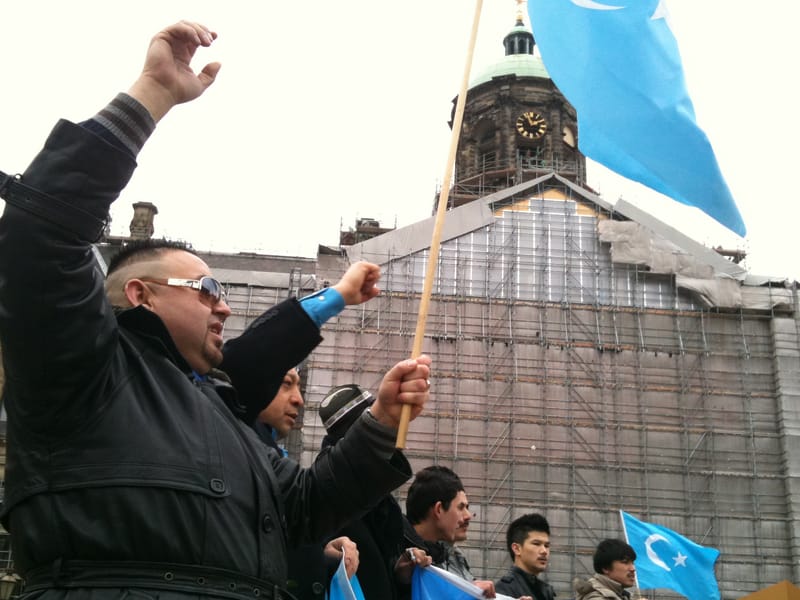
Thailand says Uyghur men can contest possible return to China in court
Thai officials say the men would have their cases heard before any transfer, while reports differ on how many men are involved and whether China has made a formal extradition request.
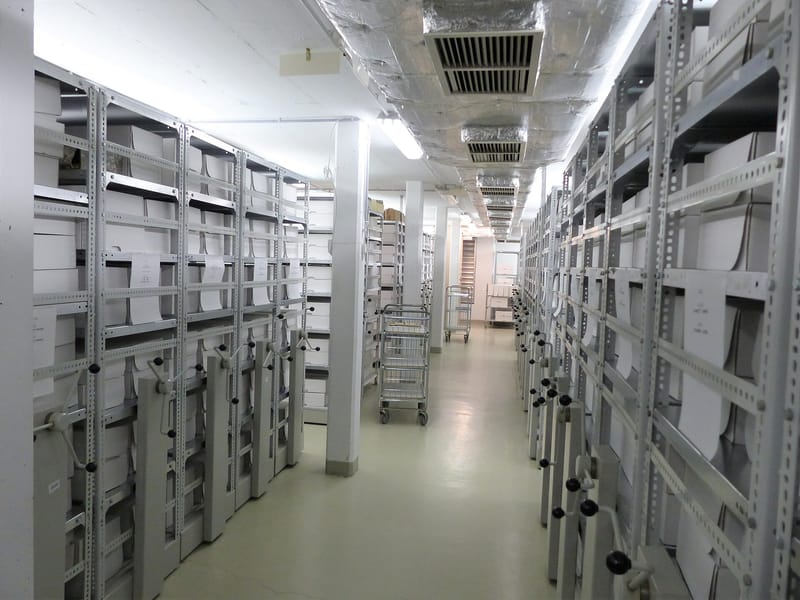
Hungary releases communist-era secret police records in public online database
Hungary opened communist-era secret police records to the public online on 4 November 2026, and Prime Minister Peter Magyar said some 60,000 names had been made public, according to Deutsche Welle.
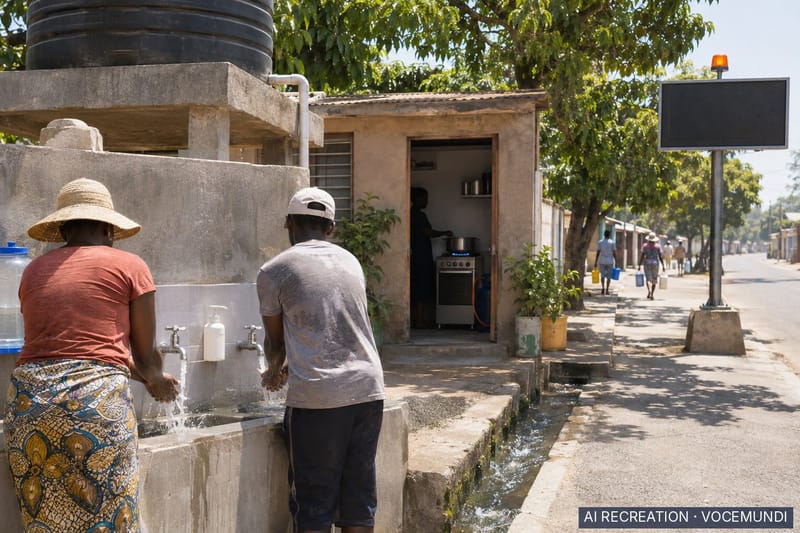
WHO says six health and climate measures could save about 1.6 million lives yearly
The World Health Organization's projection, released days before the COP31 climate conference according to AFP, rests on what the agency acknowledged were ambitious scenarios.
Comments