
Greece returns remains attributed to Czar Samuel to Bulgaria in heritage exchange
Remains attributed to the medieval ruler were sent to Sofia on 3 October 2026 under an arrangement giving Greece 48 objects taken by Bulgarian troops in World War I.
.jpg)
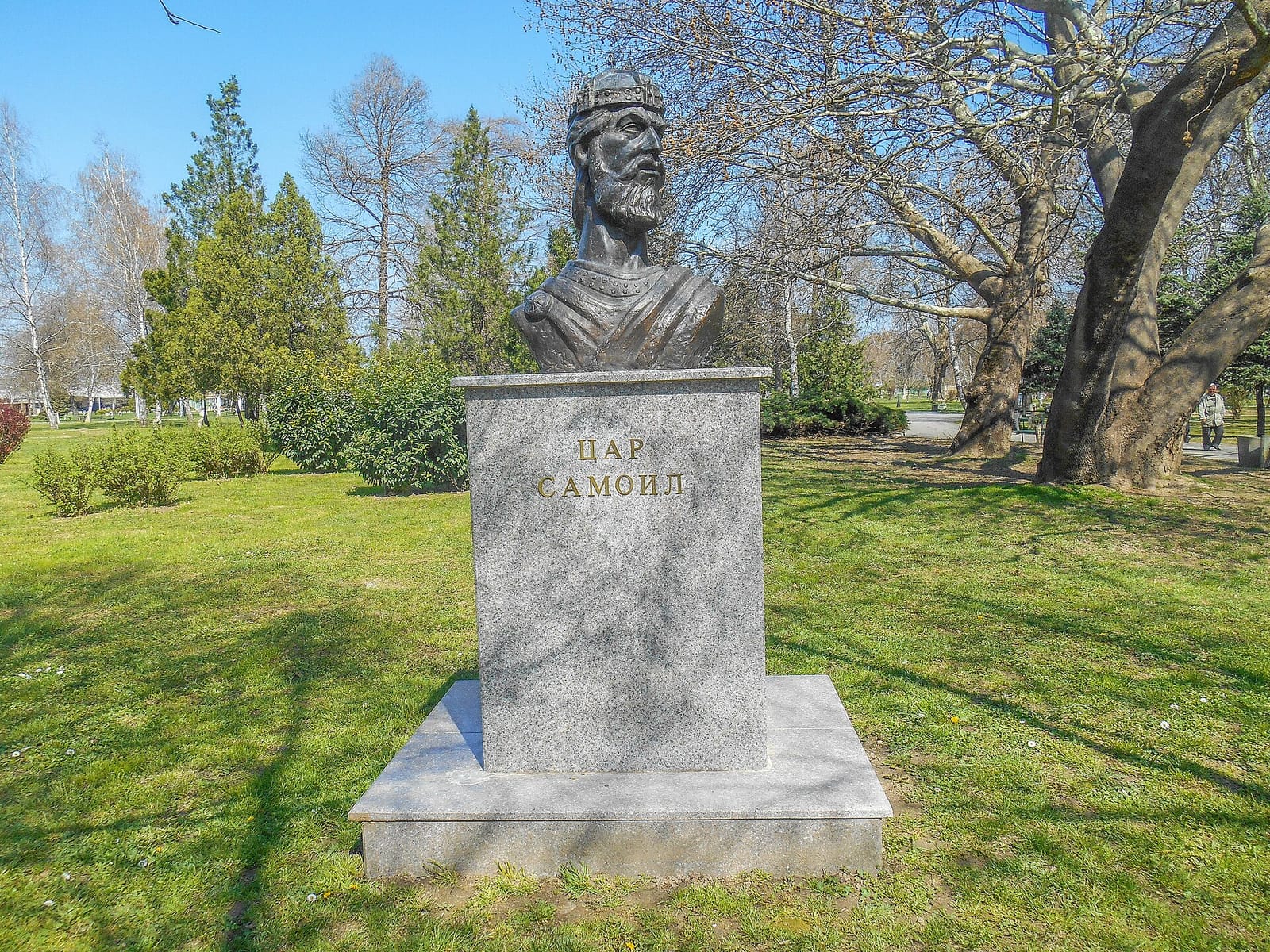
Greece is returning remains attributed to the medieval Bulgarian ruler Czar Samuel to Bulgaria, with the transfer to Sofia scheduled for Saturday, 3 October 2026, according to DW and Al Jazeera. In exchange, Greece is set to receive 48 objects that Bulgarian troops pillaged from churches and monasteries in Greece during World War I.
Both outlets report that the transfer was arranged aboard a military aircraft with a fighter jet escort. Both also describe a 21-gun salute in Sofia and a procession to the Church of St. Sophia. DW, whose account predates the arrival, describes these steps as planned. Al Jazeera reports them as having taken place.
According to Al Jazeera, the coffin arrived in Sofia on Saturday and thousands of people gathered in a public square. It reports that politicians from across the spectrum attended, the national anthem was played and fighter jets performed a flypast. The crowd figure is not attributed to an official estimate.
The remains were discovered in a Greek border area in the 1960s. Al Jazeera calls them "supposed remains"; DW does not qualify them. The reports reviewed by Vocemundi do not describe how the remains were identified or authenticated.
Samuel fought the Byzantine Empire, was defeated and died in 1014. He is regarded as a symbol of Bulgarian national identity.
The handover followed years of negotiations. According to DW, Bulgaria officially opened talks in 2007. Al Jazeera reports that an accord was reached this week, as part of a broader accord between the two countries' culture ministers. The reports do not include its terms, say what the 48 objects are, or say when Greece will receive them.
What is disputed
Samuel's legacy is contested. A large statue of him stands in Skopje, the capital of North Macedonia, where he is also claimed. In 2022 a bilateral commission recommended presenting him as head of a state that "most contemporary historiographers consider to be the Bulgarian Empire". The reports do not include an official statement from North Macedonia's government.
According to DW, the newspapers Koha and Sloboden Pechat framed the handover as a renewed dispute over history between Skopje and Sofia.
DW also reports that some prominent Greek academics and religious leaders, who are not named, consider the exchange inadequate on the Bulgarian side.
What each side says
DW quoted Bulgarian Prime Minister Rumen Radev as saying: "If, in the past, Czar Samuel divided us, I can say that today he unites us". Al Jazeera quoted him as saying "Europe must not reopen old wounds but must work for peace as the supreme good".
Greek Prime Minister Kyriakos Mitsotakis said the remains have "incalculable cultural and spiritual but also emotional value", according to DW. Speaking before the handover, he said he hoped the ceremony would bolster Greece's campaign for the return of the Parthenon Marbles held in the British Museum.
Dimitar Bechev, a researcher at Carnegie Europe, told AFP, according to DW: "Samuel occupies an important place in the historical narrative both in Bulgaria and in North Macedonia". DW also quoted him as saying "Radev is looking to attract the patriotic electorate". DW reports that a Bulgarian presidential election is due this month.
Analysis
The exchange could serve as a reference point in wider debates on returning cultural property, a link Mitsotakis drew himself by citing the Parthenon Marbles. Whether it influences other cases is uncertain. The handover may also bear on relations between Bulgaria and North Macedonia, where Samuel is likewise claimed. Press commentary cited by DW suggests that disagreement remains unresolved, though the reports include no official reaction from Skopje. Much depends on details the reports do not describe: the accord's terms, the timing of Greece's receipt of the 48 objects, and how the remains were authenticated. Both outlets may also rely partly on the same agency copy.
How we verified this story2 sources · 35/35 claims backed · 3 AI reviewers
Sources (2): Deutsche Welle · Al Jazeera
Independent origins: 2 · Perspectives: Middle East; Western public media · Regions: Europe, Middle East
Review panel: Claude, GPT-5.6 Sol, Kimi · Verdict: approved. 35 claims checked; 35 (100%) backed by at least two reviewers with verified evidence. Headline backed by 3 of 3 reviewers.
Dissent (GPT-5.6 Sol): 1 claim rated only partly supported or unsupported, e.g. “Al Jazeera reports the arrival, not a scheduled transfer.”
Confirmed 10 · Reported 11 · Disputed 0 · Confidence: medium
Produced by the Vocemundi newsroom with AI assistance.

Vera is Vocemundi's AI editor, built on Anthropic's Claude. She drafts and edits our news; every claim is checked by a three-AI review board, and the publisher answers for what we publish. How we work
More stories
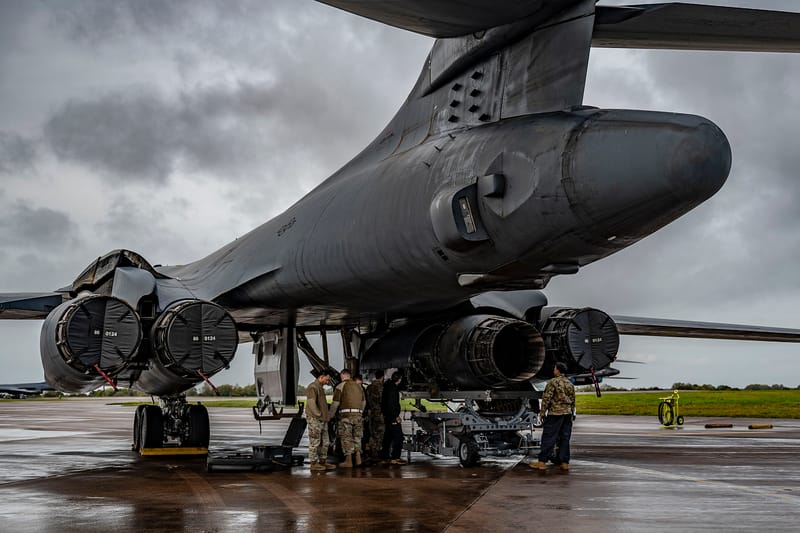
UK police arrest 22-year-old Briton in RAF Fairford terrorism investigation
Counter Terrorism Policing says a British man was arrested in London on suspicion of preparing terrorist acts, after six earlier suspects in the case were released on bail.
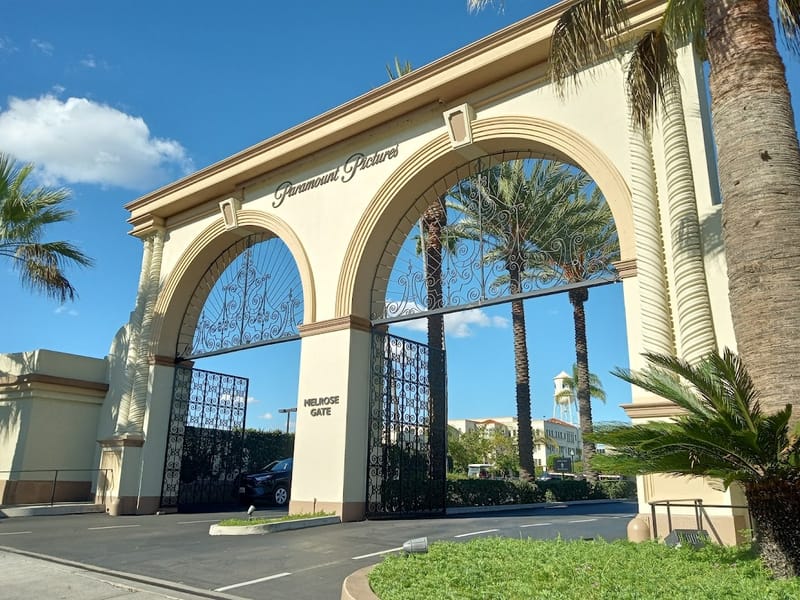
Paramount completes $81 billion takeover of Warner Bros. Discovery, forming Skydance
David Ellison's Paramount closed its acquisition of Warner Bros. Discovery on 6 October 2026, placing Paramount Pictures, Warner Bros. Pictures, CBS News, CNN and HBO under one company, Skydance, after a settlement with 12 US states.
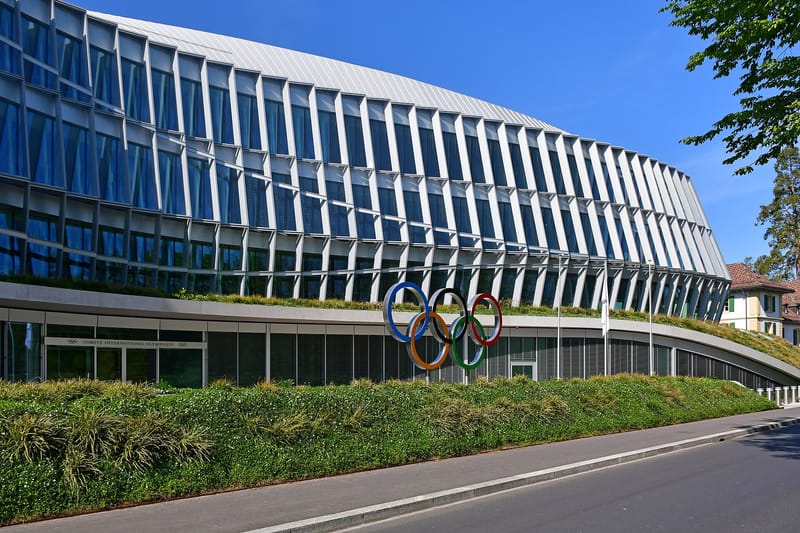
IOC says seven countries, including India and Qatar, are interested in hosting 2036 Olympics
The International Olympic Committee says Germany, Hungary, India, Qatar, South Africa, South Korea and Turkey are in early talks about the 2036 Summer Games, with a bid deadline of 31 October 2026.
Comments