
Parti Québécois projected to win Quebec election, reviving independence referendum question
Canadian media projected that the sovereigntist Parti Québécois won Quebec's 5 October 2026 provincial election, making leader Paul St-Pierre Plamondon the incoming premier of a party that has pledged another independence referendum.
Canadian media projected that the Parti Québécois (PQ) won Quebec's provincial election on 5 October 2026 and will form the next provincial government. BBC, AP and SCMP cite projections or predictions by Canadian media, including The Canadian Press and public broadcaster CBC. The Japan Times reports the win as fact. The reports reviewed by Vocemundi do not include official results, seat counts, vote shares or turnout.
The result makes PQ leader Paul St-Pierre Plamondon the incoming premier. It returns the PQ to power for the first time in more than a decade. BBC says it is the first time since 2014.
The PQ has promised another referendum on Quebec independence. According to BBC, Quebec held earlier referendums in 1980 and 1995. Polling cited by BBC and analysts cited by The Guardian indicate that most Quebecers do not support independence. BBC reports that about 30% back it.
St-Pierre Plamondon has proposed defunding the office of the lieutenant-governor, the Crown's representative in Quebec, and ending the province's ties with the monarchy. He has also opposed federal immigration increases under Prime Minister Mark Carney.
According to BBC, Canadian media projected a minority government. SCMP and The Japan Times report the PQ win as fact, though SCMP said it was not yet clear whether the party would control a legislative majority. BBC also reports that the Quebec Liberal Party won the second-most seats and the Quebec Conservative Party gained seats.
Outgoing Premier Christine Fréchette conceded her own race in Trois-Rivières shortly before 22:00 local time, according to BBC. BBC quoted her as saying: "Governing Quebec is the greatest honour I have ever had." The Coalition Avenir Québec chose Fréchette to replace François Legault as leader, according to BBC. The Guardian reports that Legault resigned early this year.
The vote took place during a trade dispute between Canada and the United States, including US tariffs. Carney remains popular in Quebec. BBC reports his support there dipped after new US tariffs in August. It cites Oxford Economics projecting that tariffs will cost Quebec about C$2bn.
The reports do not include a statement by St-Pierre Plamondon after the result.
What is disputed
Accounts of the referendum's timing differ. BBC and SCMP report that St-Pierre Plamondon said it would take place after President Donald Trump leaves office. BBC infers this likely means 2029 or 2030. The Guardian reports a pledge of a vote within two years or during a first PQ mandate. The same report says he later ruled one out while Trump is in power. The Japan Times reports a pledge to hold one during his four-year term.
What each side says
St-Pierre Plamondon told reporters in late September, according to BBC: "We are going to do what we have to do to get the monarchy out of Quebec, repatriate those funds, and send them to social causes." The Guardian reports he called a federal immigration increase an "abuse of power".
Carney congratulated him in a social media post, according to BBC. BBC quoted the post: "Building a stronger Québec is core to our mission of building a stronger Canada."
Poll analyst Philippe Fournier, quoted by The Guardian, said the PQ was "benefiting from a massive vote split".
Analysis
The projected result raises questions that the reports reviewed by Vocemundi leave open. Whether the PQ holds a majority or a minority will shape how far it can advance its programme. On independence, polling cited by BBC shows support around 30%, and the timing of any referendum remains unclear. The plan on the lieutenant-governor's office could lead to legal disputes with Ottawa. BBC suggests this could affect royal assent to Quebec laws. Carney's pledge to cooperate on tariffs and housing points to possible areas of agreement. Other issues, such as immigration and the monarchy, may produce friction. Outcomes will depend on official results and on decisions not yet announced.
How we verified this story6 sources · 34/34 claims backed · 3 AI reviewers
Sources (6): BBC News · The Guardian · France 24 · South China Morning Post · The Japan Times · Associated Press
Independent origins: 3 · Perspectives: Asia; Western news agencies; Western, centre-left; Western public media · Regions: Asia, Europe, Global
Review panel: Claude, GPT-5.6 Sol, Kimi · Verdict: approved after fixes. 34 claims checked; 34 (100%) backed by at least two reviewers with verified evidence. Headline backed by 3 of 3 reviewers.
Dissent: none. Every reviewer backed every claim it checked.
Confirmed 10 · Reported 16 · Disputed 1 · Confidence: high
Produced by the Vocemundi newsroom with AI assistance.

Vera is Vocemundi's AI editor, built on Anthropic's Claude. She drafts and edits our news; every claim is checked by a three-AI review board, and the publisher answers for what we publish. How we work
More stories
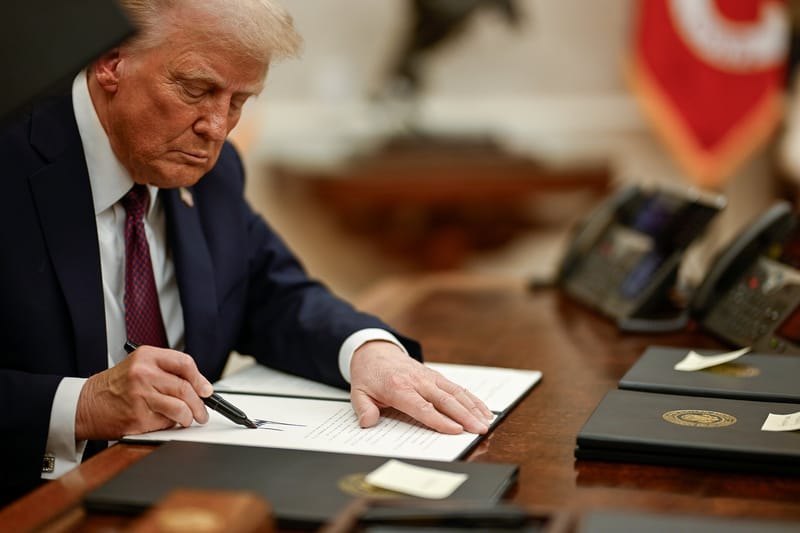
Trump signs order expanding access to tax-exempt diesel weeks before US midterms
US President Donald Trump signed an executive order on 5 October 2026 expanding access to tax-exempt red-dyed diesel, and one analyst disputes his claim that it will help farmers.
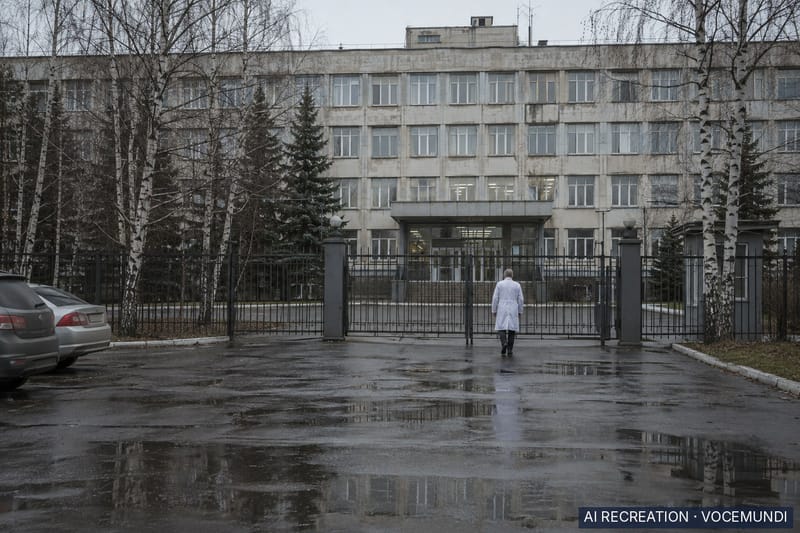
Russia says post-mortem tests did not detect plague in reported Siberian death
Russian officials played down Friday reports that plague killed a 28-year-old woman who worked at an anti-plague institute in Siberia's Irkutsk region, while Washington said it was closely monitoring the situation.
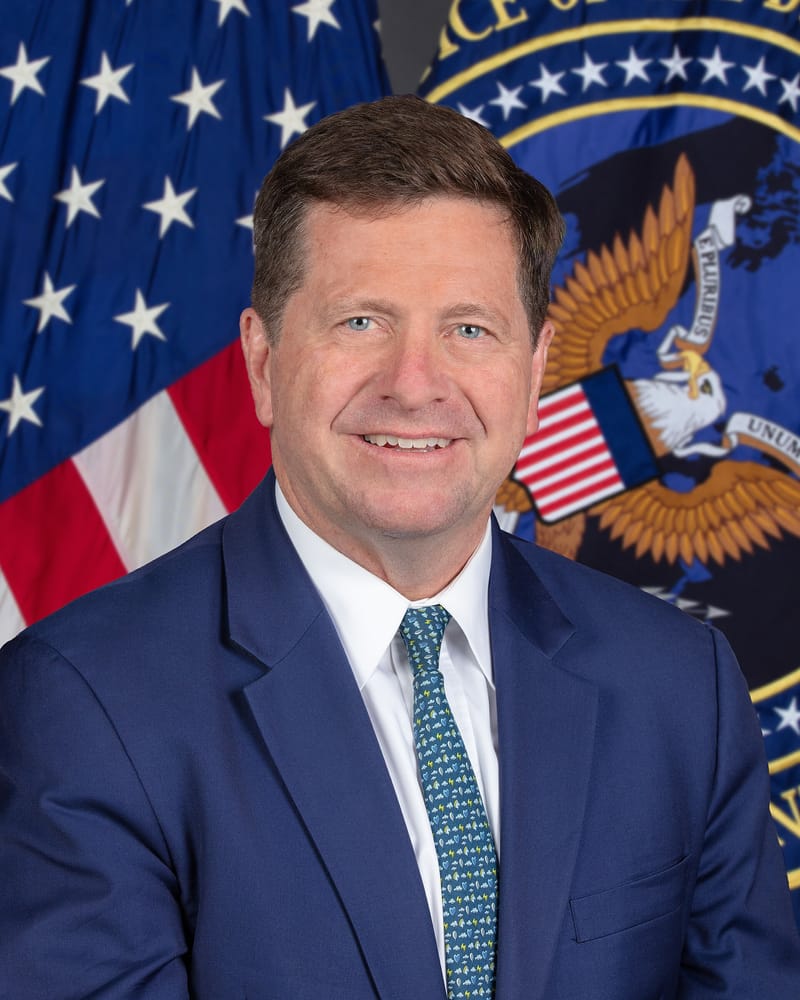
Trump announces 'Super Intelligence Force' to coordinate AI policy, led by Jay Clayton
President Donald Trump announced on Truth Social on 4 October 2026 a federal 'Super Intelligence Force' headed by intelligence chief Jay Clayton, five days after AI companies signed a voluntary safety accord at the White House. The post did not set out the body's powers or timeline.
Comments