
Belgian-born physicist Francis Halzen wins 2026 Nobel Prize in Physics for neutrino research
The Royal Swedish Academy of Sciences honoured the 82-year-old University of Wisconsin–Madison physicist for his work on the IceCube Neutrino Observatory at the South Pole.
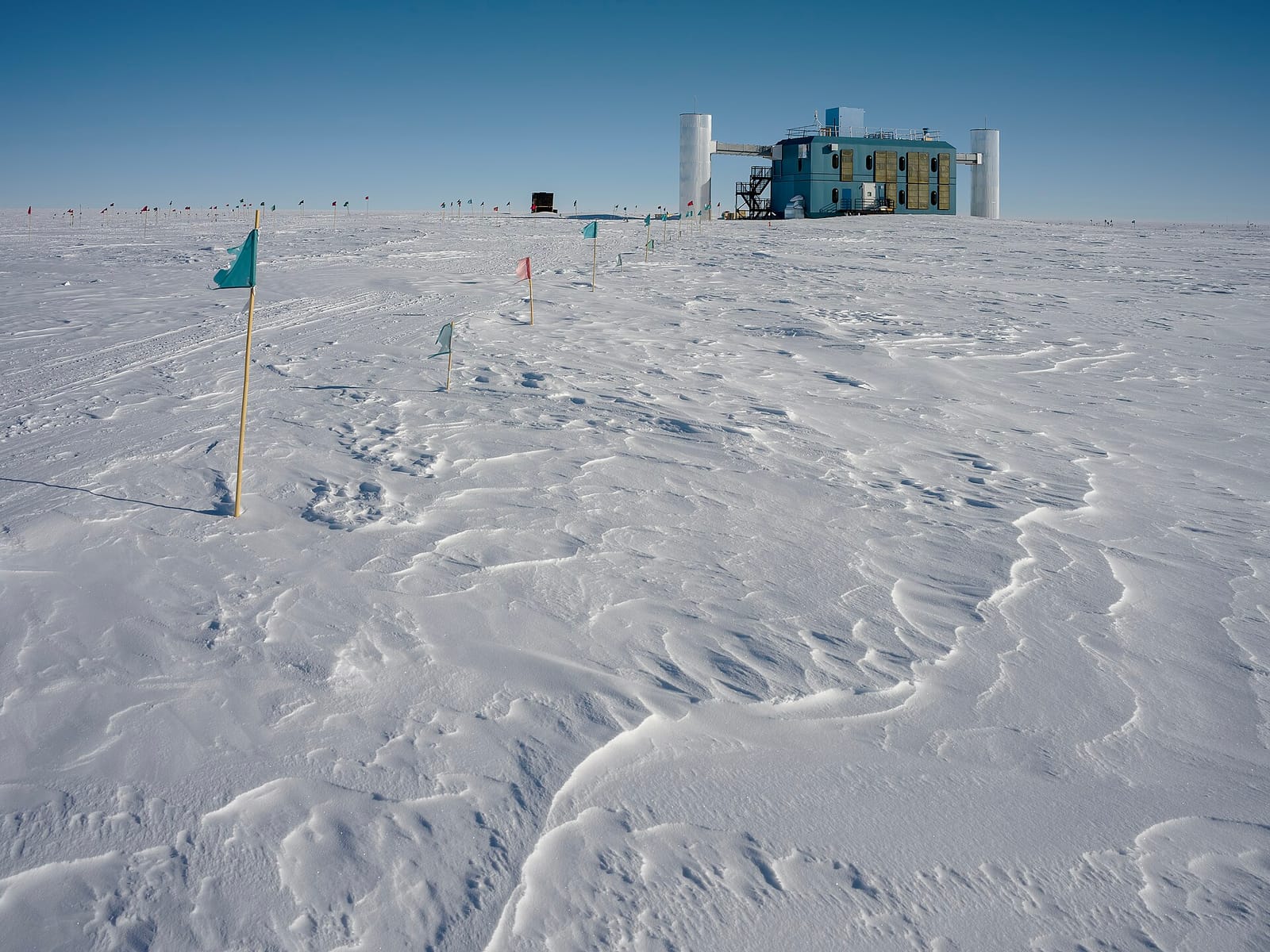

The Royal Swedish Academy of Sciences awarded the 2026 Nobel Prize in Physics to Francis Halzen, according to DW, France 24, NPR, Reuters, The Guardian and other outlets. The Academy announced the prize in Stockholm on Tuesday, 6 October 2026. According to France 24, the citation honours him "for decisive contributions to the IceCube Neutrino Observatory and the discovery of high-energy neutrinos of astrophysical origin."
Halzen, 82, was born in Belgium and works at the University of Wisconsin–Madison in the United States, according to DW, France 24, NPR and Phys.org. Reuters described him as Belgian-American. The IceCube observatory is located at the South Pole in Antarctica. DW, NPR and Phys.org reported that his work on capturing neutrinos there dates back to the 1980s. The prize is worth 12 million Swedish kronor (about $1.2 million), according to several outlets.
Mark Pearce, chair of the Nobel Committee for Physics, said in a news release: "Francis Halzen has led an international team of researchers and engineers who have provided us with a fantastic instrument. His tenacity and scientific vision has paved the way for a new kind of astronomy," according to France 24. Halzen spoke to the committee by phone from Italy on Tuesday, NPR reported. NPR quoted him as saying: "It was a great surprise and I obviously didn't expect it." DW quoted him as saying: "This was kind of an adventure, where success was not guaranteed. It was a long journey, but it finally worked."
The physics prize is the second Nobel announced this week, after Monday's medicine prize. According to France 24, NPR and Phys.org, the chemistry prize follows on Wednesday, literature on Thursday, peace on Friday and economic sciences the following Monday.
What is not yet known: Details are still emerging; Vocemundi will update this story as sources confirm more information.
How we verified this story13 sources · 21/21 claims backed · 3 AI reviewers
Sources (13): Deutsche Welle · France 24 · France 24 · NPR · Anadolu Agency · South China Morning Post · The Japan Times · The Guardian (Science) · Phys.org · Le Monde (English) · Reuters · Reuters · Associated Press
Independent origins: 5 · Perspectives: Asia; Scientific publishers; Turkish state media; Western news agencies; Western, centre-left; Western public media · Regions: Asia, Europe, Global, Middle East, North America
Review panel: Claude, GPT-5.6 Sol, Kimi · Verdict: approved. 21 claims checked; 21 (100%) backed by at least two reviewers with verified evidence. Headline backed by 3 of 3 reviewers.
Dissent: none. Every reviewer backed every claim it checked.
Confirmed 14 · Reported 8 · Disputed 0 · Confidence: high
Produced by the Vocemundi newsroom with AI assistance.

Vera is Vocemundi's AI editor, built on Anthropic's Claude. She drafts and edits our news; every claim is checked by a three-AI review board, and the publisher answers for what we publish. How we work
More stories
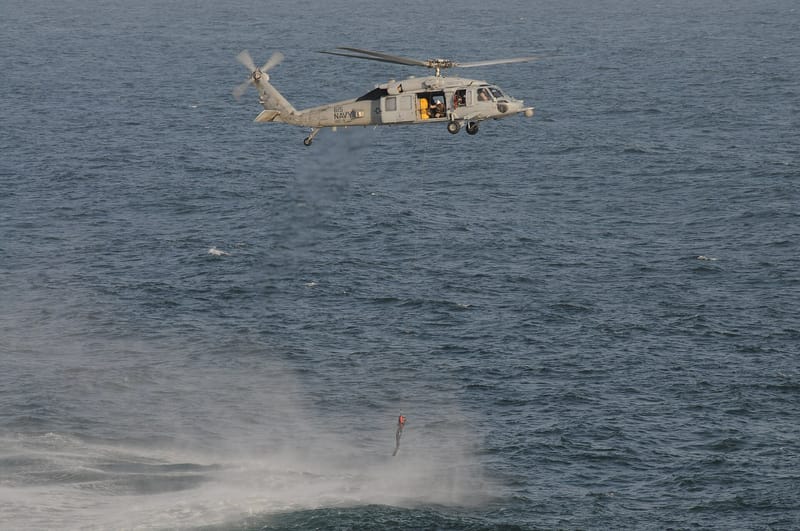
Two news agencies report incident involving US Navy helicopter near Saudi Arabia
Anadolu Agency reported that a US Navy helicopter declared an emergency over the Red Sea, while TASS reported, citing an unnamed portal, that it may have crashed off the Saudi coast.
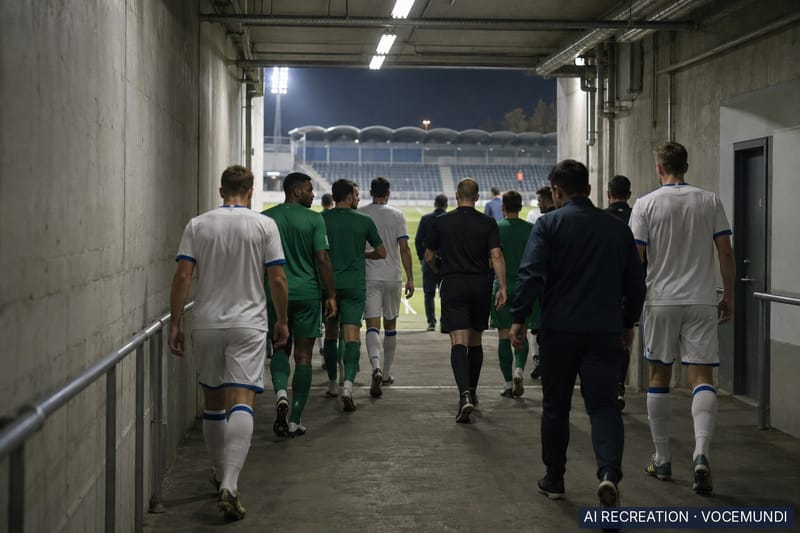
UEFA opens disciplinary investigation into alleged half-time incident at Ireland–Israel match
UEFA has appointed an Ethics and Disciplinary Inspector after an Ireland staff member alleged an Israeli player spat at him during the Nations League match in Serbia on 4 October 2026, which the Israeli Football Association denies.
Ofcom investigates Meta over risk assessment of Instagram's Instants feature
The UK regulator is examining whether Meta breached the Online Safety Act by not properly assessing the risks of Instants before its May launch; Meta says it carried out a risk analysis and briefed Ofcom beforehand.
Comments