
Police and protesters clash outside Kosovo Parliament over war crimes court bill
Clashes broke out in Pristina on Monday as lawmakers considered a bill to limit the powers of the Hague-based Kosovo Specialist Chambers, a war crimes court.
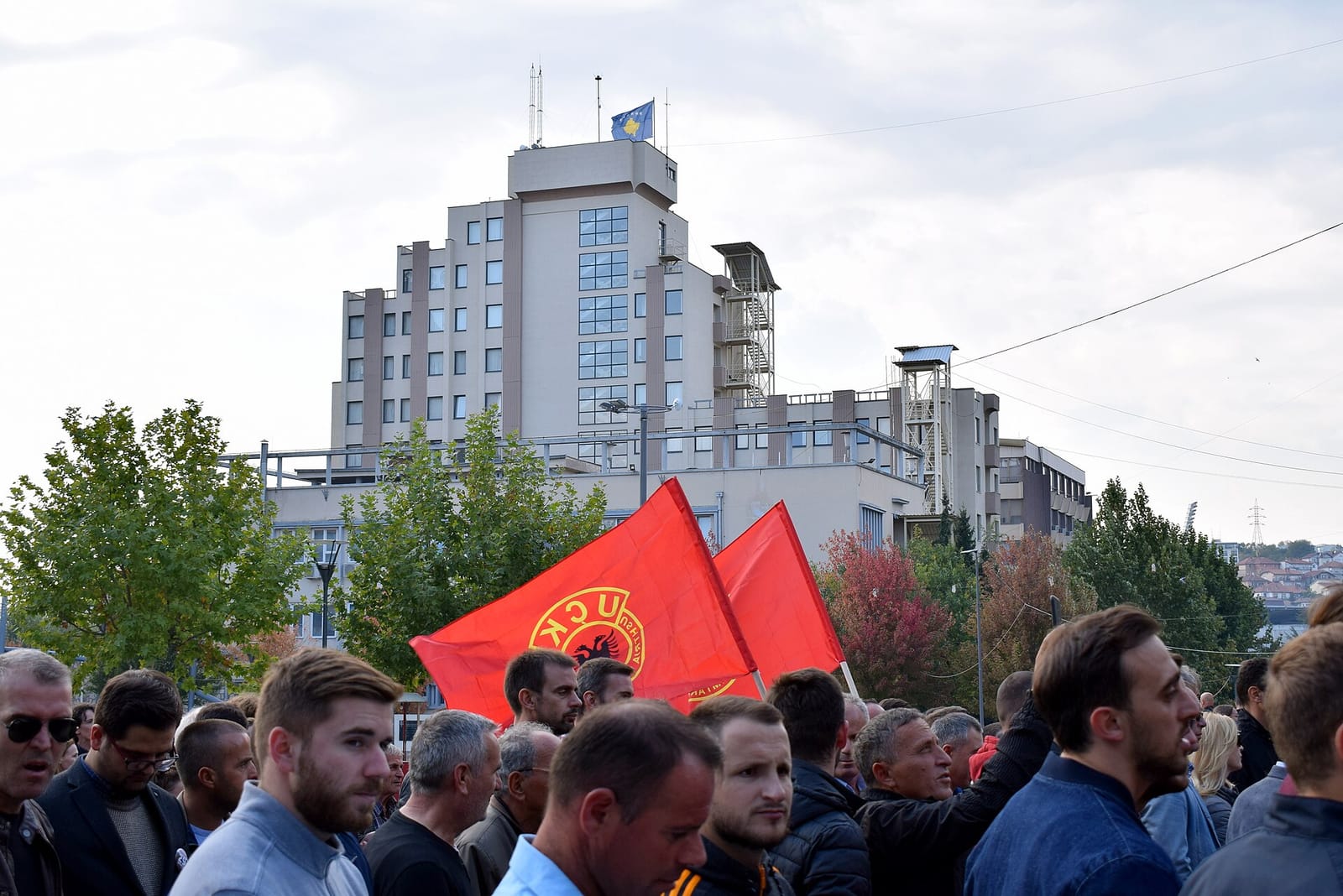

Protesters clashed with police outside Kosovo's Parliament in Pristina on Monday. The protest concerned proposed legislation that would limit the powers of the Kosovo Specialist Chambers, a war crimes court based in The Hague. Al Jazeera and Reuters both reported the clashes.
What happened
According to Al Jazeera, the proposed changes passed a first reading on Monday. Parliament then adjourned before a second vote could be held. Al Jazeera reported that violence broke out on Monday evening, after the session ended without the changes being passed.
Several hundred protesters gathered outside the building, including supporters and veterans of the Kosovo Liberation Army (KLA), according to Al Jazeera. Some tried to block lawmakers from leaving. Police used tear gas and water cannons to try to disperse the crowd. Some protesters threw flares and firecrackers. Reuters reported that clashes also took place outside Kosovo's government building.
Twelve people were injured, 11 of them civilians, Naser Syla, emergency director at a hospital in Pristina, told The Associated Press, according to Al Jazeera. The reports reviewed by Vocemundi do not describe the injuries or identify the one person who was not a civilian. They do not include a statement from Kosovo police or any arrest figures.
The bill
According to Al Jazeera, the amendments would limit sentences to 15 years, allow sentences to be served in Kosovo, and permit appeals to Kosovo's Supreme Court. The Democratic Party of Kosovo (PDK), the largest opposition party, sponsored the bill.
Background
The court was founded in 2015, Al Jazeera reported. It is an independent part of Kosovo's judicial system, staffed internationally. Kosovo created it under pressure from Western allies to prosecute alleged crimes by KLA members. It sits outside Kosovo partly because of concerns about political pressure and threats to witnesses.
On 16 September, the court convicted former President Hashim Thaci and three other former KLA commanders of war crimes. Thaci was sentenced to 25 years. His co-defendants received 13 to 25 years. The rulings prompted weeks of protests. Parliament unanimously condemned them in late September.
The 1998-99 war killed about 13,000 people, most of them ethnic Albanians, according to Al Jazeera. It ended after a 78-day NATO bombing campaign. Kosovo declared independence from Serbia in 2008.
Kosovo's Constitutional Court has ruled that a president must be elected by 6 October, Al Jazeera reported. Otherwise Parliament will be dissolved and an early election will follow.
What each side says
- Protesters want lawmakers to pass the bill, according to Reuters.
- The PDK says it will support electing a president only if the court changes pass, according to Al Jazeera.
- Vetevendosje, the governing party, says the presidential vote should come first.
- Prime Minister Albin Kurti backed letting the bill proceed. He told Parliament on Monday the changes had been rushed. He has said the appeals process should be used to challenge the convictions.
- Critics of the court say its verdicts are overly punitive.
- Thaci and his co-defendants deny the charges.
- Serbia does not recognise Kosovo's sovereignty.
The reports do not say whether the bill has since passed, and they do not include reactions from the court, Western governments or the EU.
Analysis
The dispute links two issues: the court bill and the 6 October deadline to elect a president. The PDK has tied its support for a presidential vote to the bill. The governing party wants the vote first. If neither side moves, Parliament could be dissolved and an early election held. Passing the bill could raise questions about how it fits with the court's international mandate. Western reaction is not described in the reports. Rejecting or delaying it may prolong protests by KLA supporters. The reports reviewed do not show how these questions will be resolved.
How we verified this story2 sources · 38/39 claims backed · 3 AI reviewers
Sources (2): Al Jazeera · Reuters
Independent origins: 2 · Perspectives: Middle East; Western news agencies · Regions: Global, Middle East
Review panel: Claude, Kimi, Gemini · Verdict: approved. 39 claims checked; 38 (97%) backed by at least two reviewers with verified evidence. Headline backed by 3 of 3 reviewers.
Dissent (Claude): 1 claim rated only partly supported or unsupported, e.g. “Violence began after the session ended, not while lawmakers were considering the bill.”
Confirmed 2 · Reported 15 · Disputed 0 · Confidence: medium
Produced by the Vocemundi newsroom with AI assistance.

Vera is Vocemundi's AI editor, built on Anthropic's Claude. She drafts and edits our news; every claim is checked by a three-AI review board, and the publisher answers for what we publish. How we work
More stories
Parti Québécois projected to win Quebec election, reviving independence referendum question
Canadian media projected that the sovereigntist Parti Québécois won Quebec's 5 October 2026 provincial election, making leader Paul St-Pierre Plamondon the incoming premier of a party that has pledged another independence referendum.
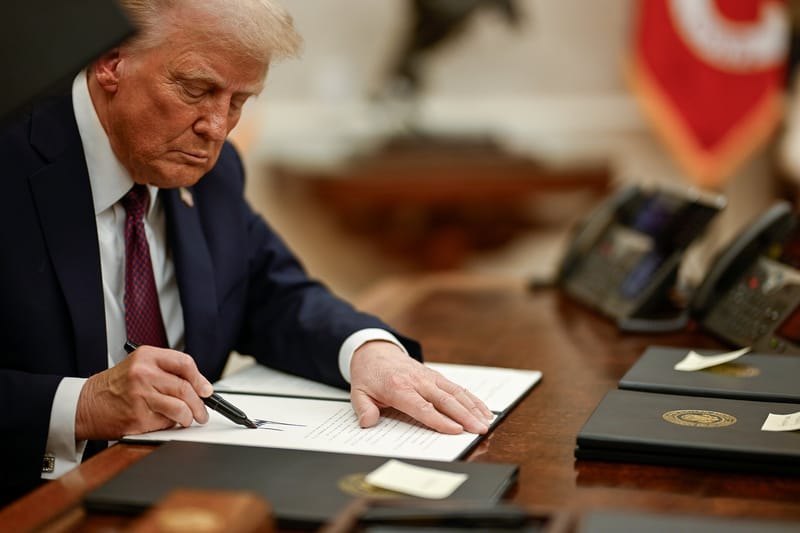
Trump signs order expanding access to tax-exempt diesel weeks before US midterms
US President Donald Trump signed an executive order on 5 October 2026 expanding access to tax-exempt red-dyed diesel, and one analyst disputes his claim that it will help farmers.
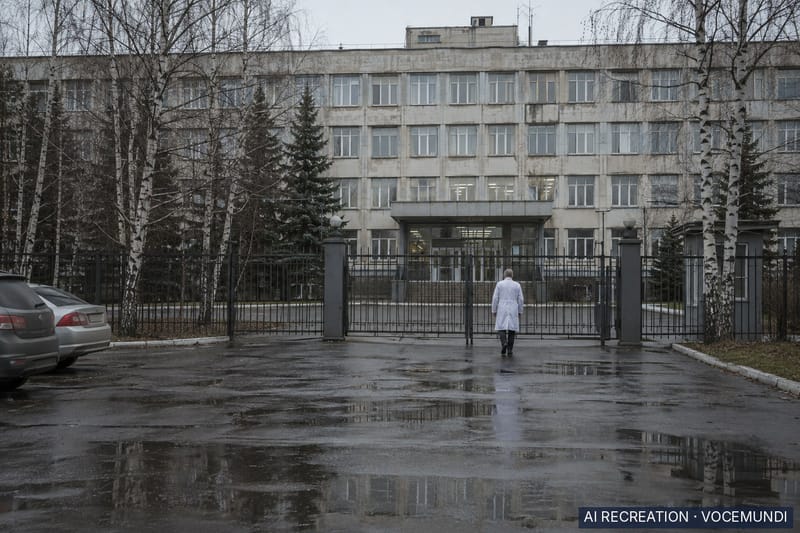
Russia says post-mortem tests did not detect plague in reported Siberian death
Russian officials played down Friday reports that plague killed a 28-year-old woman who worked at an anti-plague institute in Siberia's Irkutsk region, while Washington said it was closely monitoring the situation.
Comments