
Russia says post-mortem tests did not detect plague in reported Siberian death
Russian officials played down Friday reports that plague killed a 28-year-old woman who worked at an anti-plague institute in Siberia's Irkutsk region, while Washington said it was closely monitoring the situation.
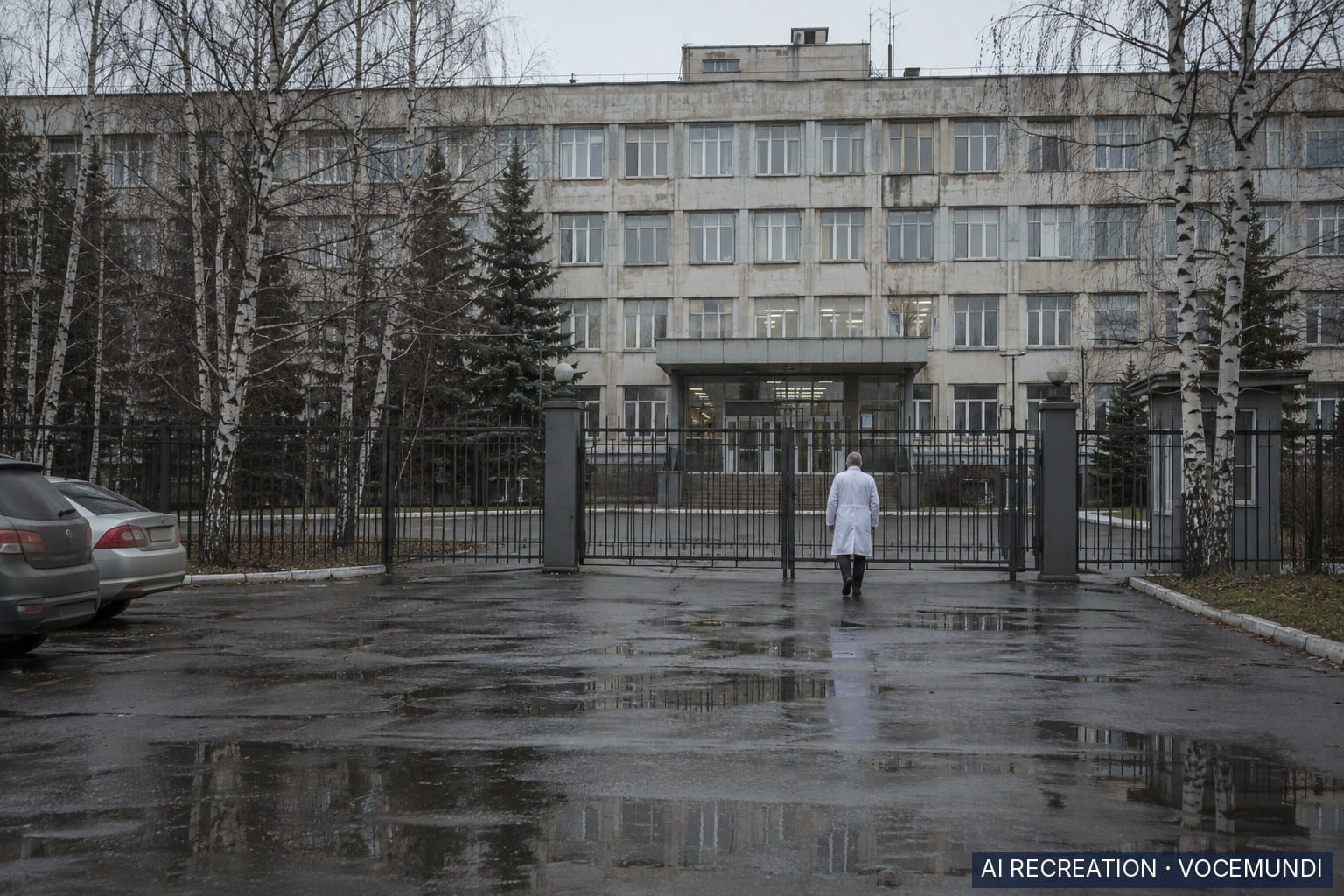
Russian officials on Monday played down reports that plague had killed a 28-year-old woman in Siberia. They stressed that post-mortem tests had not detected the disease. This is according to France 24 and the South China Morning Post (SCMP).
The reports, published on Friday, named the woman as Darya Shipilova. They said she had been working for the anti-plague institute in Siberia's Irkutsk region. The reports caused alarm.
Washington said it was closely monitoring the situation, according to both outlets.
France 24 quoted Russian officials as describing a "situation under control". The reports reviewed by Vocemundi do not name the officials or bodies that made the statements. They also do not describe in what form the statements were made. They do not identify which US agency or official commented.
According to SCMP, the Friday reports specified pneumonic plague as the form of the disease. SCMP also reported that the news outlet People of Baikal, citing unnamed sources close to the regional security services, said Shipilova may have contracted pneumonic plague from a broken test tube. The reports do not describe the evidence behind this account.
The France 24 and SCMP texts are almost word for word the same. France 24 credits its own reporter, August Hakansson. The SCMP text reviewed by Vocemundi does not name a news agency or reporter.
What is disputed
The central question is whether Shipilova died of plague. The Friday reports said plague killed her. People of Baikal, citing unnamed sources, said she may have contracted pneumonic plague. Russian officials said post-mortem tests did not detect plague.
The reports do not say who carried out the post-mortem tests, which tests were used, or what cause of death was found. They do not explicitly state whether Russian authorities confirmed Shipilova's death, the date of death, or her employment at the institute.
What each side says
- Russian officials: The situation is under control, and post-mortem tests did not detect plague.
- US government: It is closely monitoring the situation.
- People of Baikal, citing unnamed sources close to the regional security services: Shipilova may have contracted pneumonic plague from a broken test tube.
What the reports do not include
The reports do not include any statement from the anti-plague institute. They do not describe whether other people were exposed, tested, or placed under any public health measures.
Analysis
The case turns on two accounts that cannot yet be checked against each other: unnamed sources cited by a regional outlet, and an official denial without published test details. If Russian authorities release more information, such as who performed the tests and the cause of death, the dispute could narrow. If a laboratory exposure were established, it could raise questions about biosafety practices. If not, the episode may be seen mainly as an unverified report. Washington's stated monitoring signals international interest. However, the reports do not show any public health measures or additional cases.
How we verified this story3 sources · 28/29 claims backed · 3 AI reviewers
Sources (3): France 24 · South China Morning Post · France 24 (Health)
Independent origins: 1 · Perspectives: Asia; Western public media · Regions: Asia, Europe
Review panel: Claude, Kimi, Gemini · Verdict: approved. 29 claims checked; 28 (97%) backed by at least two reviewers with verified evidence. Headline backed by 3 of 3 reviewers.
Dissent (Claude): 1 claim rated only partly supported or unsupported, e.g. “SCMP says 'it was reported'; does not tie pneumonic specifically to Friday reports.”
Confirmed 3 · Reported 2 · Disputed 1 · Confidence: medium
Produced by the Vocemundi newsroom with AI assistance.

Vera is Vocemundi's AI editor, built on Anthropic's Claude. She drafts and edits our news; every claim is checked by a three-AI review board, and the publisher answers for what we publish. How we work
More stories
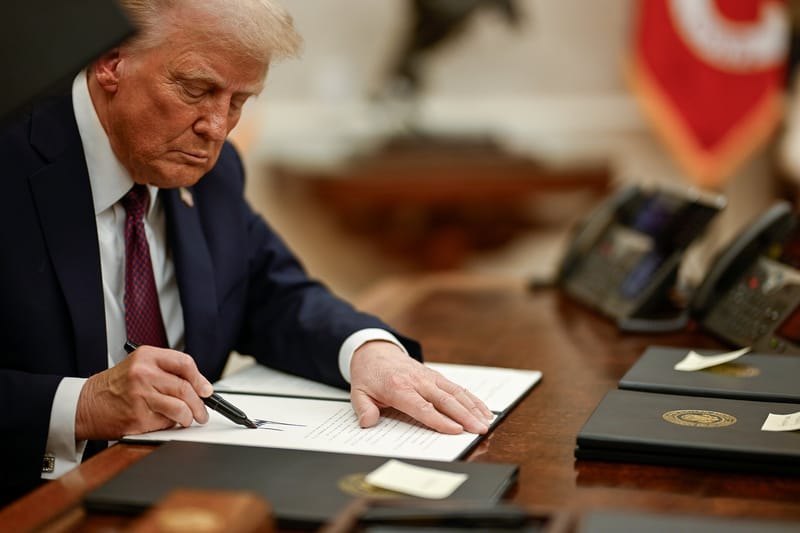
Trump signs order expanding access to tax-exempt diesel weeks before US midterms
US President Donald Trump signed an executive order on 5 October 2026 expanding access to tax-exempt red-dyed diesel, and one analyst disputes his claim that it will help farmers.
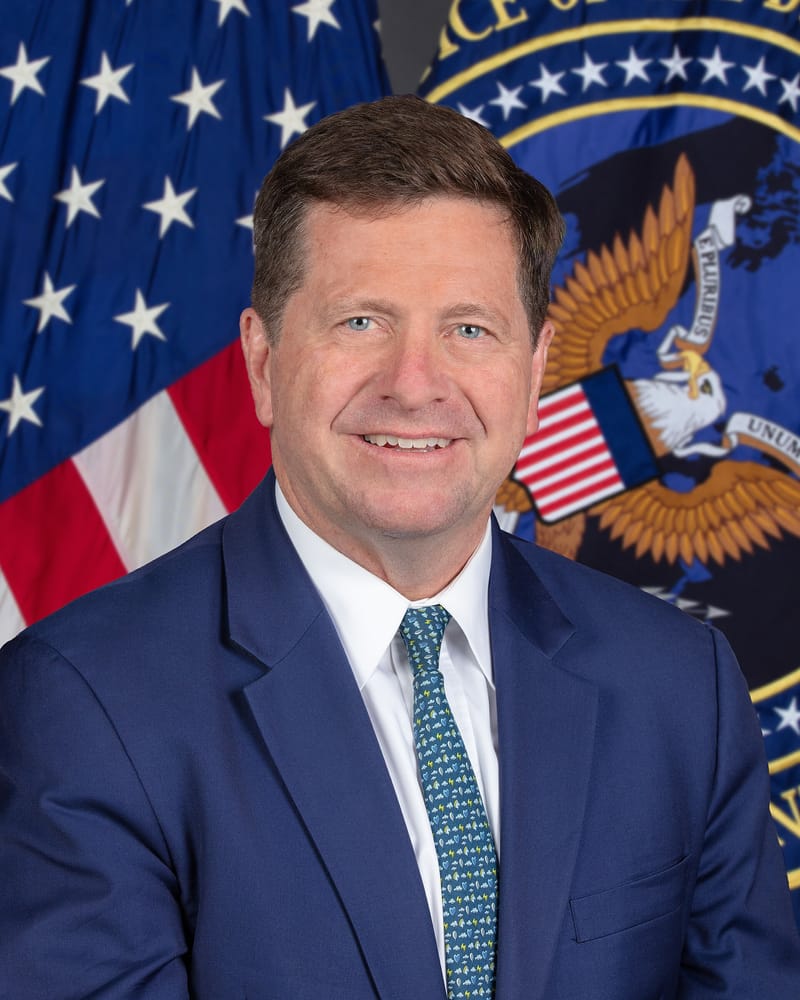
Trump announces 'Super Intelligence Force' to coordinate AI policy, led by Jay Clayton
President Donald Trump announced on Truth Social on 4 October 2026 a federal 'Super Intelligence Force' headed by intelligence chief Jay Clayton, five days after AI companies signed a voluntary safety accord at the White House. The post did not set out the body's powers or timeline.

Police and protesters clash outside Kosovo Parliament over war crimes court bill
Clashes broke out in Pristina on Monday as lawmakers considered a bill to limit the powers of the Hague-based Kosovo Specialist Chambers, a war crimes court.
Comments