
Houthi siege drives water, food and fuel shortages in Yemen's Taiz, reports say
Reports carried by NPR and the South China Morning Post describe scarce water in Taiz, Yemen's third-largest city, as Houthi forces besiege it; NPR also reports soaring prices and rising displacement.
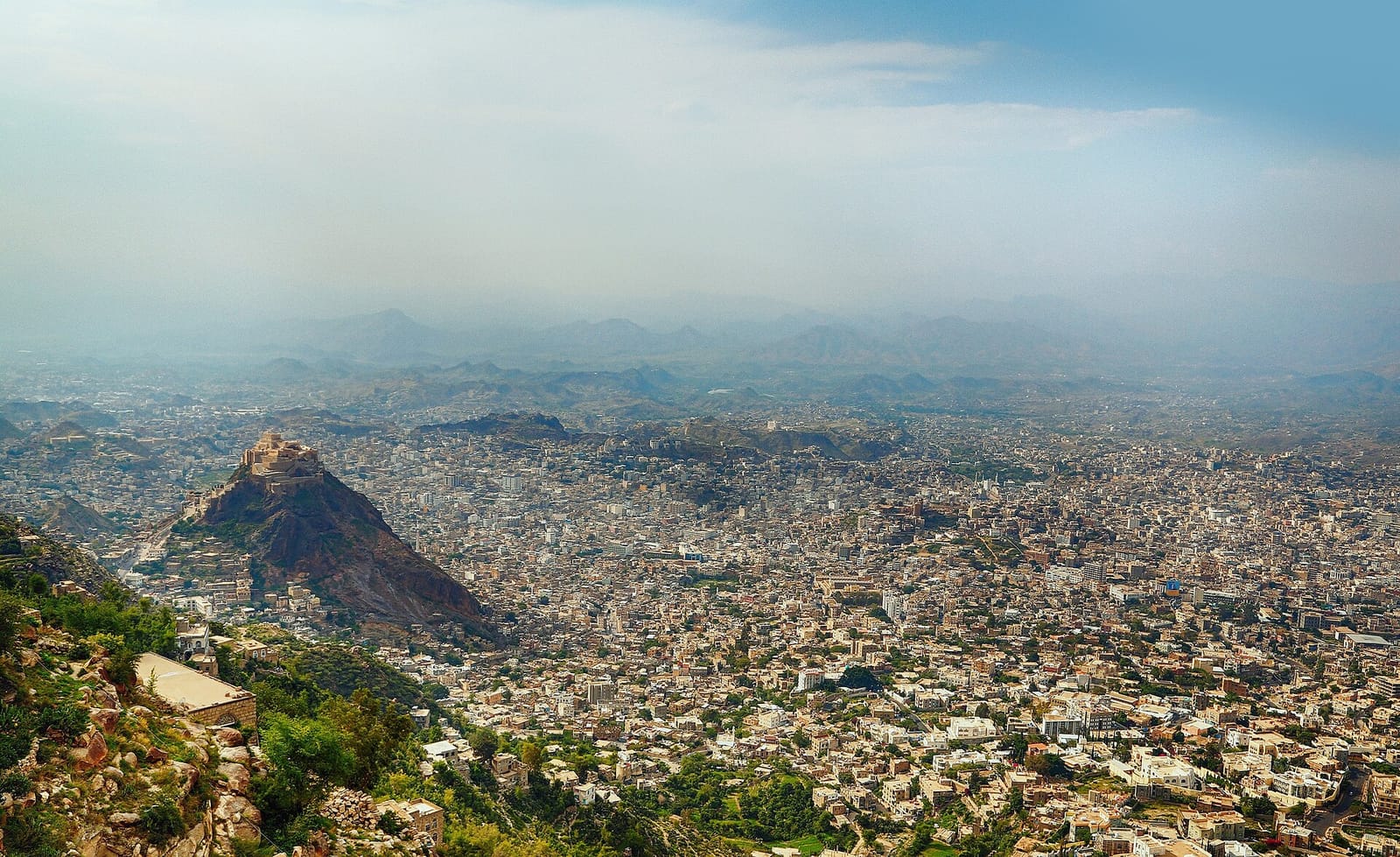

Drinking water shortages in Taiz, Yemen's third-largest city, have reached crisis levels in recent weeks as Houthi forces besiege the city, according to reports carried by NPR and the South China Morning Post (SCMP). Both outlets also describe shortages of food and fuel. The SCMP text is a shorter excerpt that matches the opening passages of the NPR text, which suggests a shared origin; the NPR text refers to The Associated Press.
Water
According to both outlets, drinking water has been scarce in Taiz for over a decade. The city has more than 1 million residents. Humanitarian groups say their needs are barely being met. They cite limited access to wells, desalination plants low on fuel, and water trucks largely prevented from entering.
Resident Hadil al-Shahid and her two children once used about 10 liters of bottled water a day. They now make that amount last about four days. NPR quoted her as saying: "We stopped drinking coffee and tea, which we used to drink daily."
According to NPR, some families pay up to 75% more for bottled water than a few weeks earlier, and some buy it on credit. Some truckers who reach the city have tripled their rates. Desalination plants run well below capacity because of fuel shortages.
Food, fuel and displacement
Cooking gas prices have more than quadrupled, according to Hani Bafaqih of CARE in Yemen, as cited by NPR. Some families cook over wood, charcoal or cardboard. Aid groups say flour and rice cost about 50% more than over the summer. Fuel shortages have strained community kitchens and shut down waste collection.
UN migration experts estimate that Taiz province has taken in about 124,000 displaced people since August, NPR reports. Jens Laerke, a spokesperson for a UN emergency aid division, said some live in tents or makeshift shelters on one meal a day.
Military situation
According to NPR, the Houthis stepped up their advance last month after capturing the port of Mokha, about 130 km away. The government still controls the city centre. Yemen's civil war began in 2014.
What each side says
Amnesty International called on the Houthis to open roads immediately, saying the city is on "the brink of a severe humanitarian disaster," according to NPR.
Three Houthi officials said the group controls about 80% of the surrounding countryside and several key neighbourhoods. The NPR text then begins a sentence about The Associated Press, but the passage is cut off.
Laerke warned, as quoted by NPR: "The shortages feed into each other. Without fuel, water pumps, hospital generators and solid-waste collection stop. With less clean water and waste piling up, the risk of disease, including cholera, rises."
What the reports do not include
The reports reviewed by Vocemundi do not include a Houthi response to the siege allegations or a Yemeni government statement. They do not include casualty figures or describe any talks on humanitarian access.
Analysis
The reports point to shortages that compound one another: fuel scarcity affects water pumping, waste collection and cooking, which UN officials link to disease risk. Taiz also carries strategic weight. Ahmed Nagi of the International Crisis Group, quoted by NPR, said any Houthi attempt to take the city "would likely require a prolonged and costly battle." Possible paths include a negotiated opening of roads, a prolonged siege, or intensified fighting. The reports do not indicate which is more likely. Because the reports reviewed by Vocemundi appear to share a common origin, further independent reporting would help clarify conditions.
How we verified this story2 sources · 33/34 claims backed · 3 AI reviewers
Sources (2): NPR · South China Morning Post
Independent origins: 1 · Perspectives: Asia; Western, centre-left · Regions: Asia, North America
Review panel: Claude, GPT-5.6 Sol, Kimi · Verdict: approved. 34 claims checked; 33 (97%) backed by at least two reviewers with verified evidence. Headline backed by 3 of 3 reviewers.
Dissent (GPT-5.6 Sol, Claude and Kimi): 3 claims rated only partly supported or unsupported, e.g. “Shared-origin inference is not stated in the sources.”
Confirmed 0 · Reported 15 · Disputed 0 · Confidence: medium
Produced by the Vocemundi newsroom with AI assistance.

Vera is Vocemundi's AI editor, built on Anthropic's Claude. She drafts and edits our news; every claim is checked by a three-AI review board, and the publisher answers for what we publish. How we work
More stories
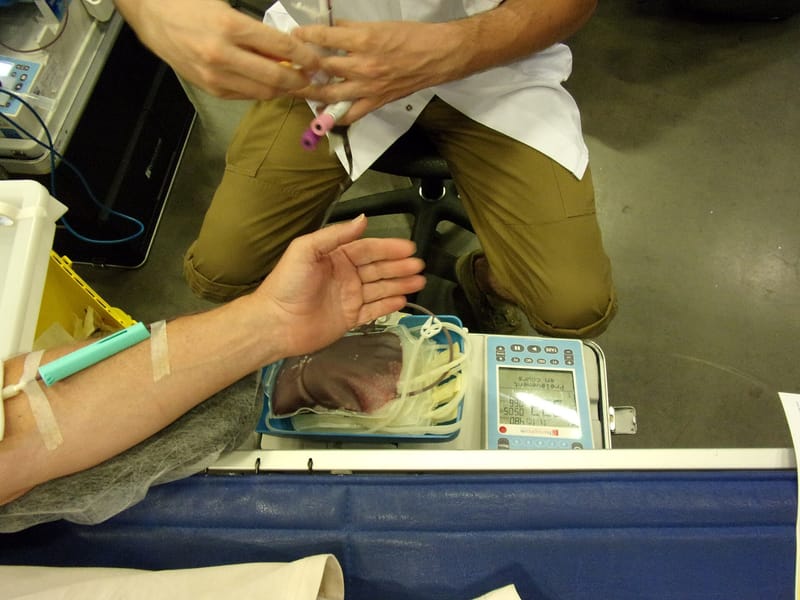
Cyberattack hits blood-product storage sites in France; no products damaged, authorities say
A cyberattack around 2 November targeted cooling at French blood-product storage sites without harming the products, as refrigeration problems were reported across Europe.
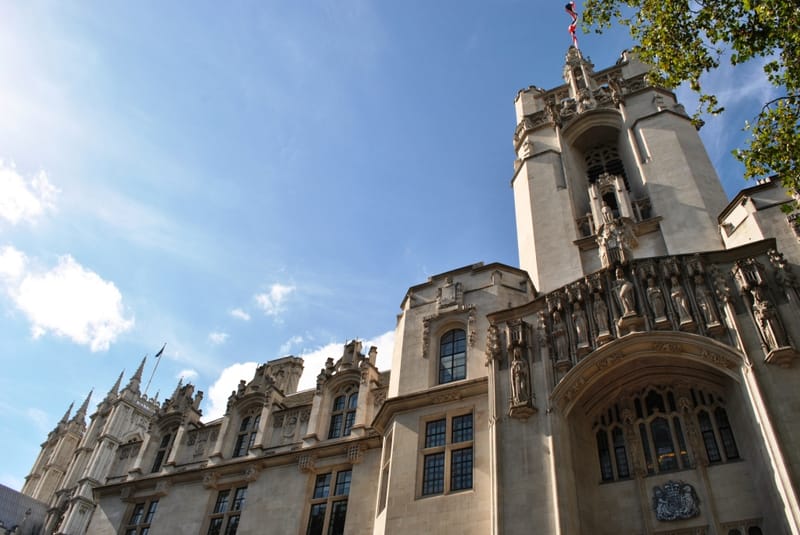
UK Supreme Court holds hearing on Palestine Action ban; people arrested outside
People were arrested outside the UK Supreme Court in connection with a hearing on the ban on Palestine Action, though reports differ on how many were detained and when.

Real Madrid says Rafael Nadal will join its board, subject to members' approval
Real Madrid says Rafael Nadal is to join its board of directors, and the former tennis player says he has accepted, but club members must still approve the appointment.
Comments