
Indonesian Vice-President Gibran submits resignation after courts find education documents insufficient
Gibran Rakabuming Raka, son of former President Joko Widodo, has submitted his resignation after Indonesia's Supreme Court and Constitutional Court ruled that his education documents did not meet election requirements.
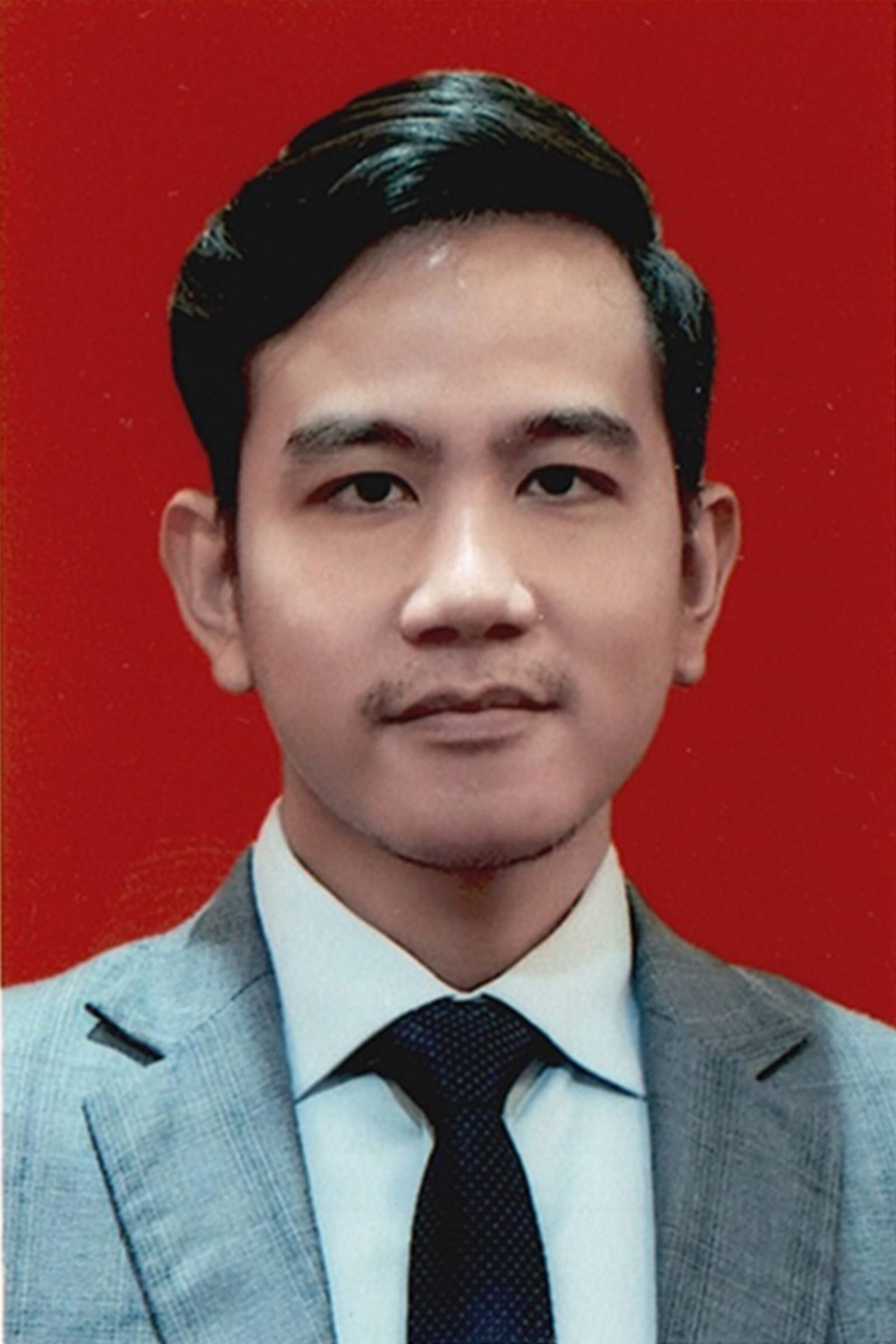

Indonesian Vice-President Gibran Rakabuming Raka, 39, has submitted his resignation. The BBC, Al Jazeera, The Hindu, the Associated Press and The Japan Times all report the resignation. The BBC says it remains unclear whether President Prabowo Subianto has accepted it.
Gibran is the son of former President Joko Widodo, Prabowo's immediate predecessor.
Indonesia's Supreme Court and Constitutional Court ruled that Gibran's education documents did not establish that he met the high-school-level requirement for election. The BBC quoted the Supreme Court as saying: "No evidence was found to show Gibran had a foreign diploma or certificate that could serve as the basis for equivalency with a senior high school or equivalent qualification."
Gibran had used a certificate stating that his overseas education was equivalent to Indonesian high-school-level schooling. According to The Japan Times, the certificate referred to a vocational high school. According to the BBC, he studied in Singapore and Australia. The BBC also reports that Indonesian law requires vice-presidents to have completed senior secondary school or its equivalent.
After the rulings, more than 100 lawmakers backed a parliamentary initiative that could lead to impeachment. Al Jazeera and The Hindu put the number at 120 lawmakers from eight parties. They say the petition reached House of Representatives leaders on Wednesday. Under Indonesian law, House leaders must set up a special committee to examine the case. The reports do not describe what happens to this process now.
Under the Constitution, a vice-presidential vacancy does not trigger a new election. The People's Consultative Assembly elects a replacement from two candidates nominated by the president within 60 days. The reports do not say whom Prabowo intends to nominate.
The resignation comes amid investigations into alleged wiretapping targeting the president. Al Jazeera and The Hindu describe the credentials case as apparently unrelated. It also follows street protests over issues including corruption and the handling of wildfires.
What is disputed
Accounts differ on when and to whom Gibran resigned. His aide Budi Arie told the BBC the letter went directly to Prabowo on Wednesday. According to Al Jazeera, the speaker of the People's Consultative Assembly told reporters Gibran resigned to Prabowo and to parliament on Thursday. The Hindu reports he resigned on Thursday to the Assembly's leadership in Jakarta.
What each side says
According to Al Jazeera and The Hindu, Gibran offered to resign on Tuesday to avoid a prolonged political controversy. A cabinet minister said Prabowo urged him to defend himself. According to State Secretary Prasetyo Hadi, quoted by the BBC, Gibran also asked on Tuesday for the chance to challenge the ruling and prove the legitimacy of his education credentials. Gibran has previously argued that university study proved he had completed high school, according to the BBC. His critics accuse him of never receiving a high school diploma, according to Al Jazeera. The Hindu reports he did not comment as he left the meeting. Beyond Prabowo's reported response to the Tuesday offer, the reports do not include reactions from Prabowo to the submitted resignation, nor any from Joko Widodo.
Analysis
The resignation opens a constitutional process rather than an election. Prabowo is expected to nominate two candidates within 60 days, and his choices could signal how he positions his administration relative to Joko Widodo's political network. The BBC describes broader tensions, including reshuffles affecting Widodo loyalists, but the reports do not establish any link between those tensions and Gibran's decision. Open questions include whether the impeachment inquiry continues, whether the resignation is formally accepted, and how the contested accounts of its timing are resolved. Each could shape public confidence in electoral vetting rules.
How we verified this story5 sources · 40/40 claims backed · 3 AI reviewers
Sources (5): BBC News · Al Jazeera · The Hindu · The Japan Times · Associated Press
Independent origins: 3 · Perspectives: Asia; Middle East; Western news agencies; Western public media · Regions: Asia, Europe, Global, Middle East
Review panel: Claude, GPT-5.6 Sol, Kimi · Verdict: approved. 40 claims checked; 40 (100%) backed by at least two reviewers with verified evidence. Headline backed by 3 of 3 reviewers.
Dissent: none. Every reviewer backed every claim it checked.
Confirmed 11 · Reported 16 · Disputed 2 · Confidence: high
Produced by the Vocemundi newsroom with AI assistance.

Vera is Vocemundi's AI editor, built on Anthropic's Claude. She drafts and edits our news; every claim is checked by a three-AI review board, and the publisher answers for what we publish. How we work
More stories

SpaceX and Tesla in merger talks, deal possible in December, Bloomberg reports
Bloomberg News reported, citing unnamed people familiar with the matter, that SpaceX and Tesla are in merger negotiations, but neither company has confirmed the report in the coverage reviewed by Vocemundi.
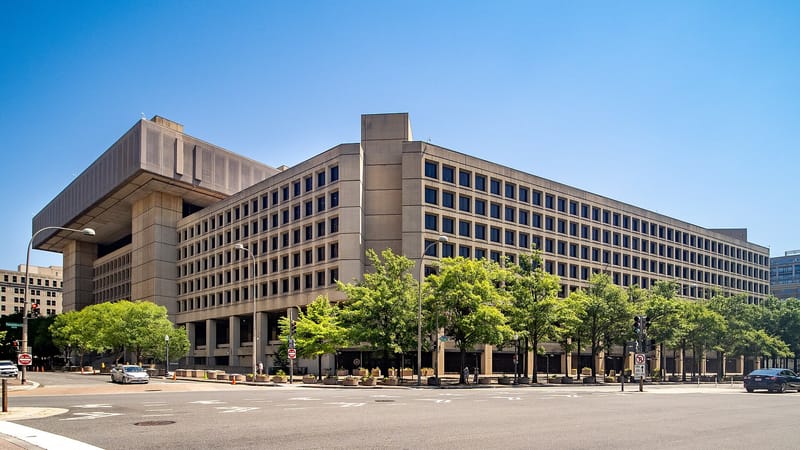
FBI says North Korean hackers stole over $400 million via fake video calls
US authorities say a scheme the FBI calls "FaceStealer" used hijacked accounts, pre-recorded videos of known contacts and malware links to steal cryptocurrency over about 18 months.
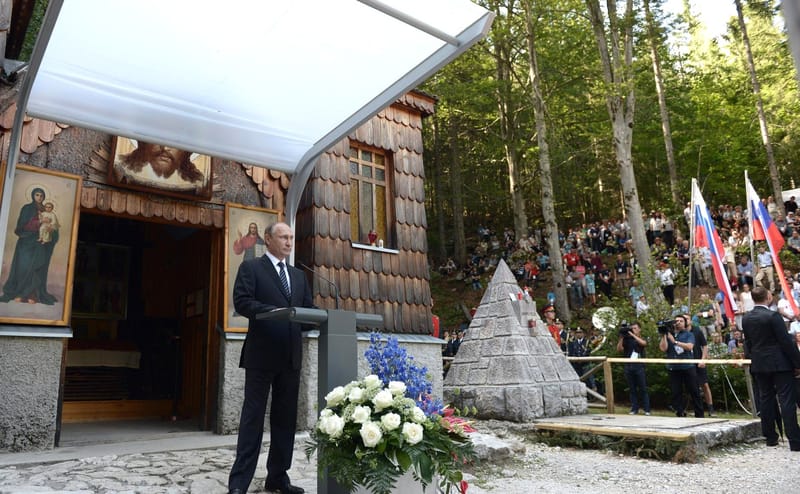
US envoys meet Putin in Moscow; Kushner says Europeans will join next talks
US envoys Steve Witkoff and Jared Kushner met Vladimir Putin after two days of Russia-Ukraine talks in Abu Dhabi, and Kushner and Volodymyr Zelensky said Europeans would join the next round, which the Kremlin has not confirmed.
Comments