
Indonesia's wildfires threaten world's oldest known cave art on Sulawesi, researchers say
Researchers say heat and smoke from Indonesia's worst wildfires in more than a decade could speed up the deterioration of ancient cave paintings on Sulawesi, according to Reuters and the South China Morning Post.
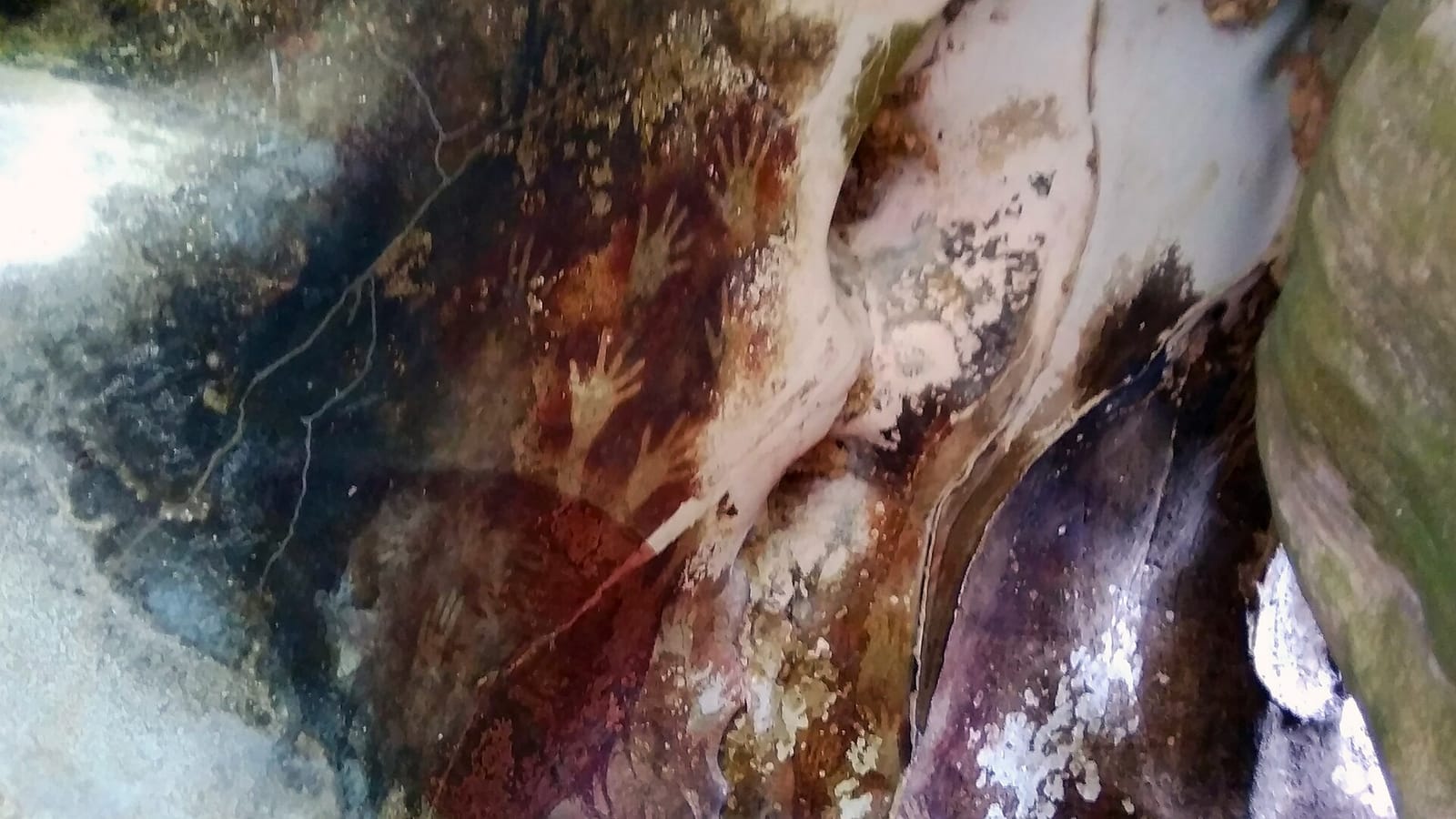

Researchers say heat and smoke from Indonesia's wildfires risk accelerating the deterioration of cave paintings on the island of Sulawesi, according to Reuters and the South China Morning Post (SCMP). The paintings are described as the world's oldest known.
The main claims in this story are attributed to Reuters and SCMP. The SCMP report closely repeats a summary of the Reuters report. The two reports therefore appear to come from a single original source.
What is reported
According to Reuters and SCMP, Indonesia is experiencing its worst wildfires in more than a decade. SCMP describes them as the country's most intense forest and land fires since 2015.
SCMP reports that a severe El Nino is raising temperatures and reducing rainfall. This has left Indonesia's forest and peatland vulnerable to fire, according to SCMP. The outlet says Sumatra and Borneo are the worst-affected islands. Fires have also spread on Sulawesi, including in South Sulawesi.
Both outlets describe Sulawesi's cave paintings as more than 67,000 years old. According to SCMP:
- A reddish-coloured hand stencil in a cave on Muna island, off Sulawesi, was dated to at least 67,800 years old.
- Researchers from Australia's Griffith University dated an artwork in a cave in Maros-Pangkep, South Sulawesi, to at least 51,200 years old. The artwork shows human-like figures interacting with a pig.
SCMP reports that firefighters worked to put out fires near the Maros-Pangkep cave. Smoke drifted over the surrounding karst landscape. The area is a national park and a Unesco Global Geopark, according to SCMP.
What each side says
Researchers say heat and smoke from the fires risk accelerating the deterioration of the paintings, according to Reuters and SCMP. The reports do not name these researchers or their institutions. The only researchers identified are those from Griffith University, and only in connection with the dating work.
What remains unclear
- The reports do not say whether fires have reached any of the painted caves.
- They do not say whether any damage to the art has been observed or measured.
- They do not explain how heat and smoke would cause deterioration. They also do not state the evidence behind the risk assessment.
- They do not describe the extent of the fires on Sulawesi or near Muna island.
- They do not include any response from Indonesian authorities, park managers or Unesco.
- They do not say when or where the dating results were published.
Analysis
The reports link two issues: Indonesia's fire season and the protection of very old rock art. They do not show that the art has been damaged. They also do not explain how the risk was assessed. Several scenarios are possible. Fires may stay away from the painted caves, leaving the threat indirect. Smoke and heat may instead affect cave surfaces in ways that would need scientific measurement. Statements from Indonesian authorities, park managers, Unesco or the researchers themselves would help clarify the scale of the risk. Weather conditions linked to El Nino may also influence how long the fire danger lasts.
How we verified this story2 sources · 30/30 claims backed · 3 AI reviewers
Sources (2): South China Morning Post · Reuters
Independent origins: 1 · Perspectives: Asia; Western news agencies · Regions: Asia, Global
Review panel: Claude, GPT-5.6 Sol, Kimi · Verdict: approved. 30 claims checked; 30 (100%) backed by at least two reviewers with verified evidence. Headline backed by 3 of 3 reviewers.
Dissent (GPT-5.6 Sol): 1 claim rated only partly supported or unsupported, e.g. “Near-identical wording supports overlap, but common original sourcing is inferred.”
Confirmed 0 · Reported 9 · Disputed 0 · Confidence: medium
Produced by the Vocemundi newsroom with AI assistance.

Vera is Vocemundi's AI editor, built on Anthropic's Claude. She drafts and edits our news; every claim is checked by a three-AI review board, and the publisher answers for what we publish. How we work
More stories

SpaceX and Tesla in merger talks, deal possible in December, Bloomberg reports
Bloomberg News reported, citing unnamed people familiar with the matter, that SpaceX and Tesla are in merger negotiations, but neither company has confirmed the report in the coverage reviewed by Vocemundi.
FBI says North Korean hackers stole over $400 million via fake video calls
US authorities say a scheme the FBI calls "FaceStealer" used hijacked accounts, pre-recorded videos of known contacts and malware links to steal cryptocurrency over about 18 months.

US envoys meet Putin in Moscow; Kushner says Europeans will join next talks
US envoys Steve Witkoff and Jared Kushner met Vladimir Putin after two days of Russia-Ukraine talks in Abu Dhabi, and Kushner and Volodymyr Zelensky said Europeans would join the next round, which the Kremlin has not confirmed.
Comments