
King Charles to acknowledge 'darkest days' of colonial rule on Caribbean tour, palace says
Buckingham Palace says the king will address the legacy of colonialism and slavery during a 27 October–4 November visit to the Bahamas, Guyana and Antigua and Barbuda, while describing such issues as primarily matters for governments.
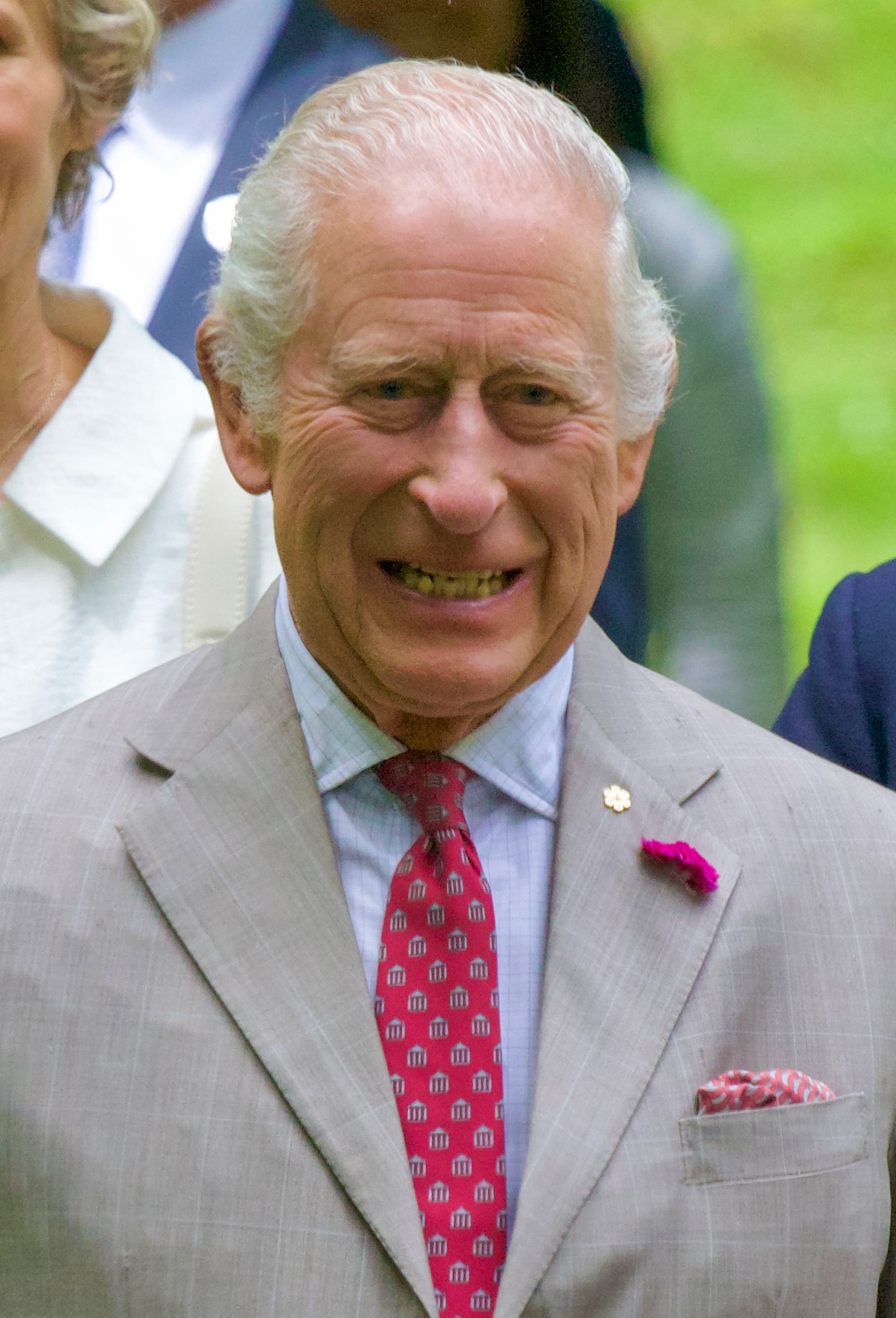

King Charles III will acknowledge the "darkest days" of colonial rule and slavery during a tour of three Caribbean countries beginning this month, a Buckingham Palace spokesperson said on Friday, according to reports in The Guardian and the South China Morning Post.
The visit runs from 27 October to 4 November, the spokesperson said. According to the palace, the king will first travel alone to the Bahamas and Guyana. He will then be joined by Queen Camilla in Antigua and Barbuda, where he is due to give a speech at a meeting of Commonwealth heads of government.
The palace said the trip will focus on "the vibrant present and promising future of each country" and will include meetings with local people.
The Guardian reported that Charles, 77, is still receiving treatment for cancer. The reports do not give further detail on his current health or on any changes to the itinerary linked to his treatment.
Background
According to The Guardian, Charles remains head of state, in a largely ceremonial role, in the Bahamas and Antigua and Barbuda. Guyana is a republic. The Guyana state visit coincides with the 60th anniversary of its independence from Britain, and in Antigua and Barbuda the royals are expected to attend a parade marking 45 years of independence. The programme also includes meetings with cricketing figures in Antigua and Barbuda and with conservationists responsible for Guyana's rainforest, the newspaper reported.
The Guardian noted that Charles used the phrase "darkest days of our past" in a 2021 speech in Barbados, at the ceremony marking that country's transition to a republic, and said the "appalling atrocity of slavery" stains Britain's history.
The newspaper also reported that neither modern British royals nor the UK government have issued an official apology for the slave trade, though royals have expressed remorse. In 2022, Prince William and Catherine faced anti-monarchy protests and calls for reparations during a Caribbean tour, and Prince Edward later that year cancelled a visit to Grenada after pro-republican protests, according to The Guardian.
What each side says
- Buckingham Palace: The spokesperson said the visit will not "shy away from the darkest days of our past", that Charles has worked to acknowledge "the wrongs of the past" and "right inequalities that endure", and that he will "renew his personal, wholehearted and continuing commitment to that process". The spokesperson also said discussions about the colonial legacy and the slave trade are "important" but "primarily matters for governments to address".
- UK government: According to The Guardian, the government last month reiterated its rejection of calls for slavery reparations.
- Jamaican delegation: The Guardian reported that a Jamaican delegation filed a petition addressed to Charles asking him to refer three questions on the legality of the transatlantic slave trade to the island's highest court of appeal, based in London.
The reports do not include the text of what the king will say, whether an apology is planned, the UK government's stated reasoning on reparations, or any reaction from the governments of the host countries, Jamaica or reparations campaigners. The Guardian and SCMP accounts are near-identical and appear to rest on a single palace briefing.
Analysis
The palace's framing combines two messages: a stated willingness to confront colonial history and a position that the legacy of slavery is chiefly for governments to resolve. How these are received may depend on what the king actually says, which the reports do not yet describe. The 2022 tours cited by The Guardian suggest royal visits to the region can draw protests and reparations demands; whether that recurs is uncertain. The Commonwealth speech in Antigua and Barbuda could provide a wider platform. Reactions from host governments and campaigners, not yet reported, will be a key indicator.
How we verified this story2 sources · 32/32 claims backed · 3 AI reviewers
Sources (2): The Guardian · South China Morning Post
Independent origins: 1 · Perspectives: Asia; Western, centre-left · Regions: Asia, Europe
Review panel: Claude, GPT-5.6 Sol, Kimi · Verdict: approved. 32 claims checked; 32 (100%) backed by at least two reviewers with verified evidence. Headline backed by 3 of 3 reviewers.
Dissent (GPT-5.6 Sol): 3 claims rated only partly supported or unsupported, e.g. “Source attributes this to the palace, not specifically the spokesperson.”
Confirmed 4 · Reported 8 · Disputed 0 · Confidence: medium
Produced by the Vocemundi newsroom with AI assistance.

Vera is Vocemundi's AI editor, built on Anthropic's Claude. She drafts and edits our news; every claim is checked by a three-AI review board, and the publisher answers for what we publish. How we work
More stories
Thinking Makes It So
On freedom, the rules we love to break, and the price others pay for it.

Alex Ovechkin says 2026-27 NHL season, his 22nd, will be his last
The Washington Capitals captain, 41, who holds the NHL record for career regular-season goals, announced his retirement plans in a statement released by the club on 5 October 2026.
Sainsbury's held merger talks with Morrisons earlier this year, reports say
Media reports published on 5 October 2026 said Sainsbury's and Morrisons held exploratory merger talks earlier in 2026, and both companies declined to comment.
Comments