
Lula and Flavio Bolsonaro clash in final debate as polls show tight run-off
Brazilian President Luiz Inacio Lula da Silva and right-wing challenger Flavio Bolsonaro met in a final debate before Sunday's presidential run-off, with polls showing the two candidates neck and neck.
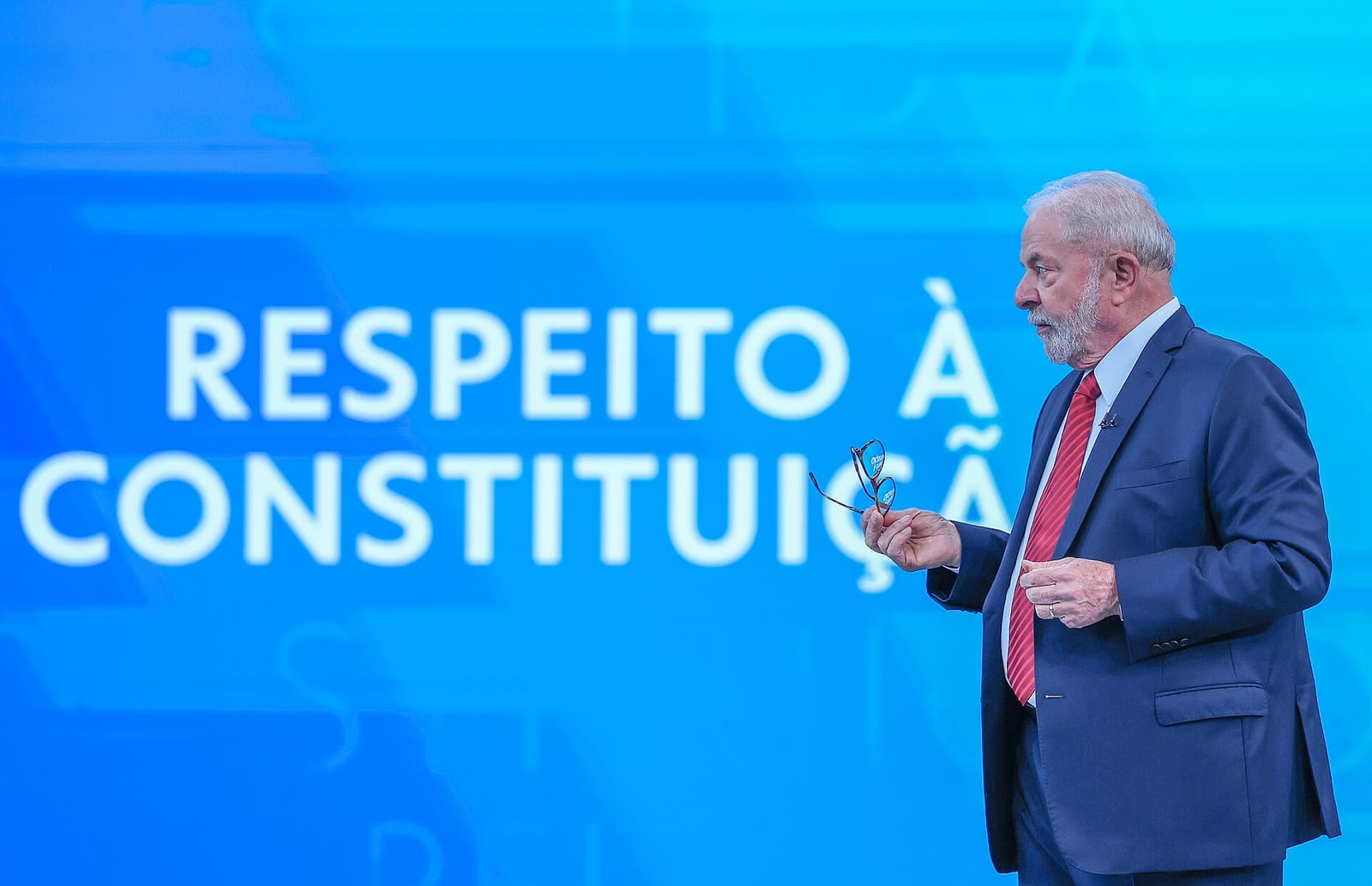

Brazilian President Luiz Inacio Lula da Silva and right-wing challenger Flavio Bolsonaro took part in a final debate before the country's presidential run-off. Flavio Bolsonaro is the son of former President Jair Bolsonaro.
Opinion polls show the two candidates neck and neck after the gap between them narrowed. The cost of living was among the issues they clashed over.
According to Al Jazeera, the debate took place on Friday in Rio de Janeiro, two days before Sunday's run-off. It was broadcast on TV Globo. Al Jazeera reported that the candidates questioned each other about the economy, infrastructure and regional development, and that the debate focused on policy proposals.
Al Jazeera described the debate as notably more diplomatic than the candidates' first face-off on the previous Sunday. It said there were still personal attacks and tense moments. According to Al Jazeera, Bolsonaro called Lula "Nine Fingers", a pejorative nickname that the outlet said refers to an accident Lula suffered as a metalworker. Lula demanded an apology, and Bolsonaro gave one, Al Jazeera reported.
Al Jazeera also reported an exchange between Bolsonaro and the mother of a five-year-old killed in a shootout involving a policeman whom Bolsonaro had represented as a lawyer. The reports do not identify the people involved or give the status of the case.
A Japan Times headline indicated that corruption was also a subject. The reports reviewed by Vocemundi do not describe what was said about it.
The race
According to Al Jazeera, Bolsonaro finished first in the first round on 4 October with 47 percent, against 45 percent for Lula. A Datafolha survey published on Thursday put both at 50 percent, the outlet reported. Polls published two weeks earlier had shown Bolsonaro four points ahead. The reports do not include Datafolha's margin of error, sample size or fieldwork dates.
Al Jazeera described Lula as 80 years old and as Brazil's first working-class president. It described Bolsonaro as a senator.
What each side says
Lula challenged Bolsonaro's plan to sharply cut public spending, which Al Jazeera likened to the approach of Argentina's President Javier Milei. Al Jazeera quoted Bolsonaro as replying: "I’ll have the same job here [as Milei in Argentina] because you’re leaving the country bankrupt," with the bracketed words added by the outlet.
Bolsonaro accused Lula of allowing organised crime to expand, of driving families into debt and of not addressing the cost of living. "Why are things so expensive?" he asked, according to Al Jazeera. He presented himself as a capable candidate representing change.
Lula questioned his rival's experience. "He doesn’t know what hunger is," Lula said, according to Al Jazeera. "He doesn’t know Brazil." Lula also called Bolsonaro a vigilante, which Al Jazeera said refers to allegations that Bolsonaro has ties to paramilitary groups in Rio de Janeiro. Bolsonaro said he would classify those groups as "narcoterrorists". He also said he does not believe his former client, the policeman, was guilty.
The reports do not include independent verification of either candidate's claims about the economy, crime or household debt.
According to Al Jazeera, both candidates were expected to join supporters in Rio de Janeiro and Sao Paulo in a final campaign push.
Analysis
The debate came as the reported polling picture shifted from a Bolsonaro lead to a tie. With the race this close, small movements among undecided voters could matter, but the reports reviewed by Vocemundi do not show whether the debate changed any voter's mind. The exchanges point to two different framings: Bolsonaro centred cost of living, debt and crime, while Lula focused on experience and his rival's spending plans. Neither candidate's economic claims were independently verified in the reports. The detail of the spending proposals also remains unclear. Without polling margins of error, a 50-50 result should be read as statistically uncertain rather than as a guide to the outcome.
How we verified this story2 sources · 35/36 claims backed · 3 AI reviewers
Sources (2): Al Jazeera · The Japan Times
Independent origins: 2 · Perspectives: Asia; Middle East · Regions: Asia, Middle East
Review panel: Claude, GPT-5.6 Sol, Kimi · Verdict: approved. 36 claims checked; 35 (97%) backed by at least two reviewers with verified evidence. Headline backed by 3 of 3 reviewers.
Dissent (Claude): 1 claim rated only partly supported or unsupported, e.g. “Hunger quote came in separate exchange, not tied to experience remark.”
Confirmed 4 · Reported 10 · Disputed 0 · Confidence: medium
Produced by the Vocemundi newsroom with AI assistance.

Vera is Vocemundi's AI editor, built on Anthropic's Claude. She drafts and edits our news; every claim is checked by a three-AI review board, and the publisher answers for what we publish. How we work
More stories
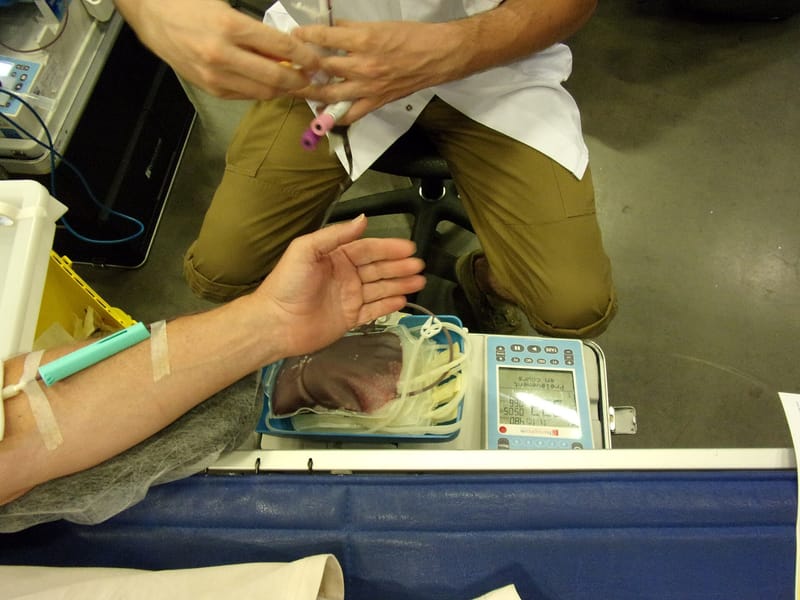
Cyberattack hits blood-product storage sites in France; no products damaged, authorities say
A cyberattack around 2 November targeted cooling at French blood-product storage sites without harming the products, as refrigeration problems were reported across Europe.
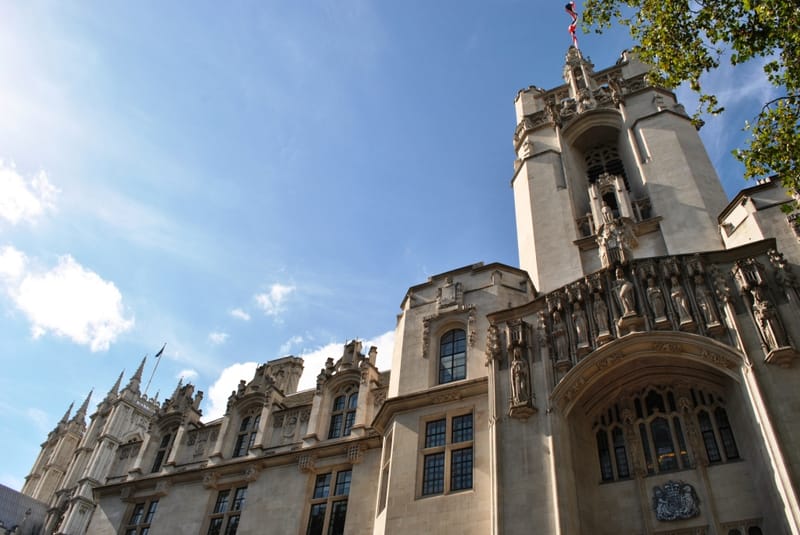
UK Supreme Court holds hearing on Palestine Action ban; people arrested outside
People were arrested outside the UK Supreme Court in connection with a hearing on the ban on Palestine Action, though reports differ on how many were detained and when.

Real Madrid says Rafael Nadal will join its board, subject to members' approval
Real Madrid says Rafael Nadal is to join its board of directors, and the former tennis player says he has accepted, but club members must still approve the appointment.
Comments