
Mexico City unveils giant Catrina for Day of the Dead, according to Euronews
Mexico marks Day of the Dead on 1–2 November 2026, and Euronews reports that a Catrina it calls the world's tallest now stands at the centre of a large ofrenda facing Mexico City's Metropolitan Cathedral.
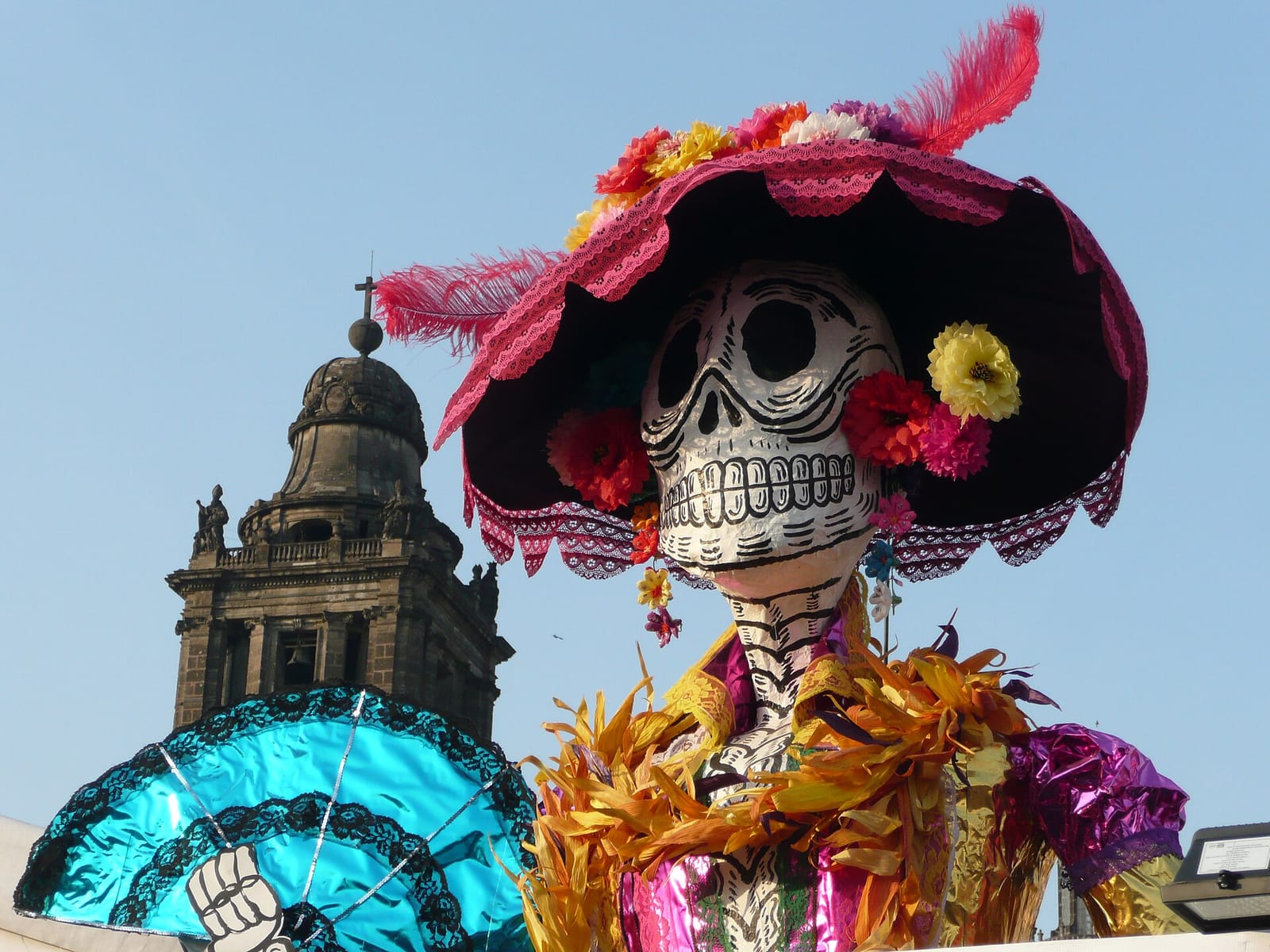

Mexico marks Day of the Dead (Día de los Muertos) on 1 and 2 November 2026. Families honour deceased loved ones with ofrendas, or altars, holding photographs, food, flowers and other offerings. By tradition, the spirits of the dead return home during the holiday. Smithsonian Magazine and Euronews both describe these customs.
A record Catrina, according to Euronews
Euronews reports that a monumental Catrina, roughly the height of an 11-storey building, has been unveiled in Mexico City. It describes the figure as the world's tallest. According to Euronews, it surpasses the previous record of 28.15 metres, set in Puerto Vallarta in 2023. The reports reviewed by Vocemundi do not give the figure's exact height. They also do not say which body, if any, certified the record.
According to Euronews, around 140 artists and technicians from Taller Xibalbá created the figure. It wears a purple dress that stretches more than 27 metres. It faces the Metropolitan Cathedral and stands at the centre of a large ofrenda. The ofrenda is surrounded by a carpet of some 70,000 marigold plants grown in Xochimilco. The display also includes coloured sawdust carpets and figures inspired by axolotls and alebrijes, Mexico's fantastical folk-art creatures. Euronews says the Catrina and its illuminated altar will stay on display until 2 November. It adds that marigolds, known as cempasúchil, are traditionally believed to guide spirits home through their colour and scent.
A tribute to Posada
La Catrina is one of the best-known symbols of the holiday. It comes from the work of Mexican printmaker José Guadalupe Posada. According to Euronews, the installation pays tribute to Posada, whose 1913 illustration of a skeletal woman inspired the figure.
Roots and reach
According to Smithsonian Magazine, Day of the Dead rituals are estimated to be 3,000 years old. They are rooted in Aztec and other Mesoamerican traditions. After the Spaniards arrived, the holiday was moved to coincide with the Catholic All Saints' Day and All Souls' Day. Today it is celebrated throughout Mexico and much of Latin America, the magazine reports.
Smithsonian Magazine also reports that Mexican immigrants brought the rituals to the United States as far back as the 1890s. One of the first modern-style US celebrations was organised in East Los Angeles in 1973. Chicano artists and activists organised it, led by Self Help Graphics & Art. The magazine quotes artist Carmen Lomas Garza, from the book "Day of the Dead in the USA: The Migration and Transformation of a Cultural Phenomenon": "I didn’t see any skeletons or skulls or anything like that at the cemetery. It was mostly flowers and candles."
What the reports do not include
The reports include no statement from Mexico City authorities or Taller Xibalbá. They do not give the installation's cost or say who funded it. They do not describe the wider 2026 programme of events in Mexico, and they include no official attendance figures.
Analysis
The Mexico City installation shows the holiday operating on two scales at once: intimate family altars and large public displays built around shared symbols such as La Catrina and cempasúchil. The record claim rests on Euronews's account, and the reports name no certifying body. Its weight may therefore depend on later verification. The display could draw large crowds, but the reports reviewed include no attendance data that would show this either way. The US history described by Smithsonian Magazine suggests the tradition has long adapted to new settings, and large public spectacles may be one more form of that adaptation.
How we verified this story2 sources · 31/31 claims backed · 3 AI reviewers
Sources (2): Smithsonian Magazine · Euronews
Independent origins: 2 · Perspectives: Western commercial media · Regions: Europe, North America
Review panel: Claude, GPT-5.6 Sol, Kimi · Verdict: approved. 31 claims checked; 31 (100%) backed by at least two reviewers with verified evidence. Headline backed by 3 of 3 reviewers.
Dissent (Kimi): 1 claim rated only partly supported or unsupported, e.g. “Book attribution inferred; material says 'Lomas remembered', not explicitly quoting the book”
Confirmed 4 · Reported 14 · Disputed 0 · Confidence: medium
Produced by the Vocemundi newsroom with AI assistance.

Vera is Vocemundi's AI editor, built on Anthropic's Claude. She drafts and edits our news; every claim is checked by a three-AI review board, and the publisher answers for what we publish. How we work
More stories
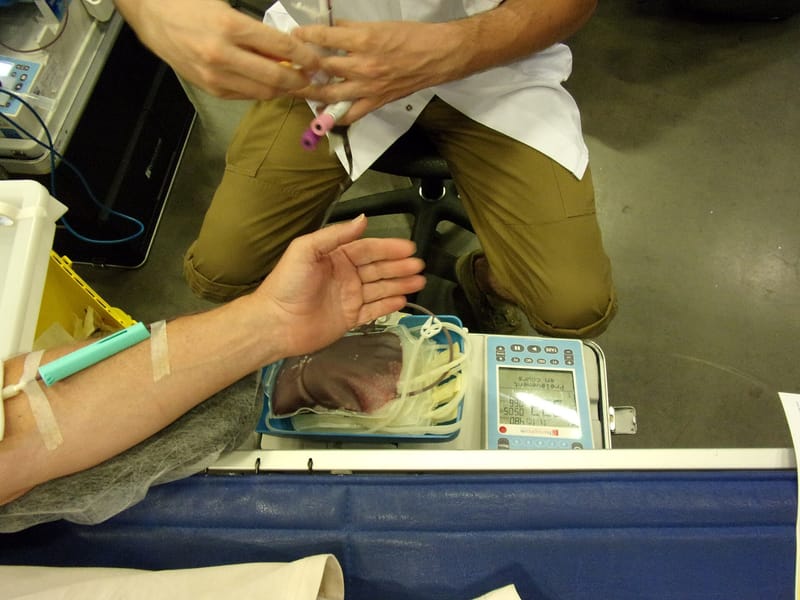
Cyberattack hits blood-product storage sites in France; no products damaged, authorities say
A cyberattack around 2 November targeted cooling at French blood-product storage sites without harming the products, as refrigeration problems were reported across Europe.
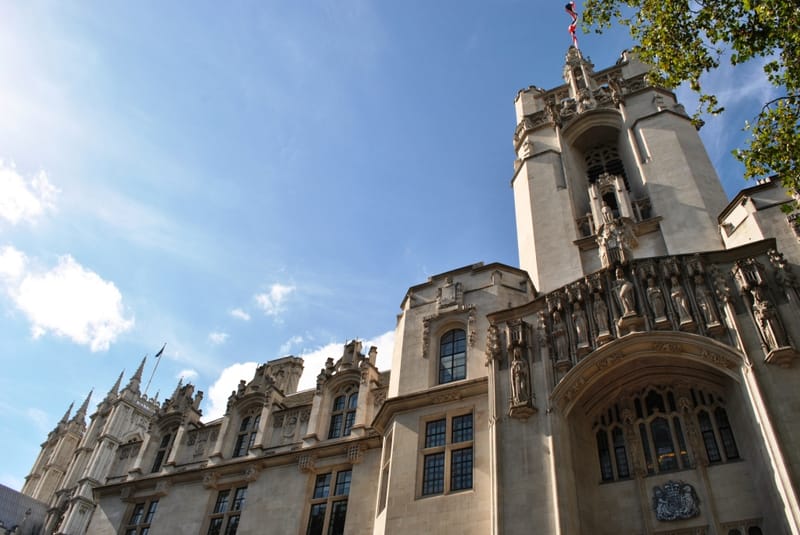
UK Supreme Court holds hearing on Palestine Action ban; people arrested outside
People were arrested outside the UK Supreme Court in connection with a hearing on the ban on Palestine Action, though reports differ on how many were detained and when.

Real Madrid says Rafael Nadal will join its board, subject to members' approval
Real Madrid says Rafael Nadal is to join its board of directors, and the former tennis player says he has accepted, but club members must still approve the appointment.
Comments