
Russian newspaper Novaya Gazeta announces closure, says authorities forced it to stop
Novaya Gazeta's editor-in-chief Sergei Sokolov said on 30 October 2026 that Russian authorities and special services forced the independent newspaper to end its work, weeks after investigators searched his home.
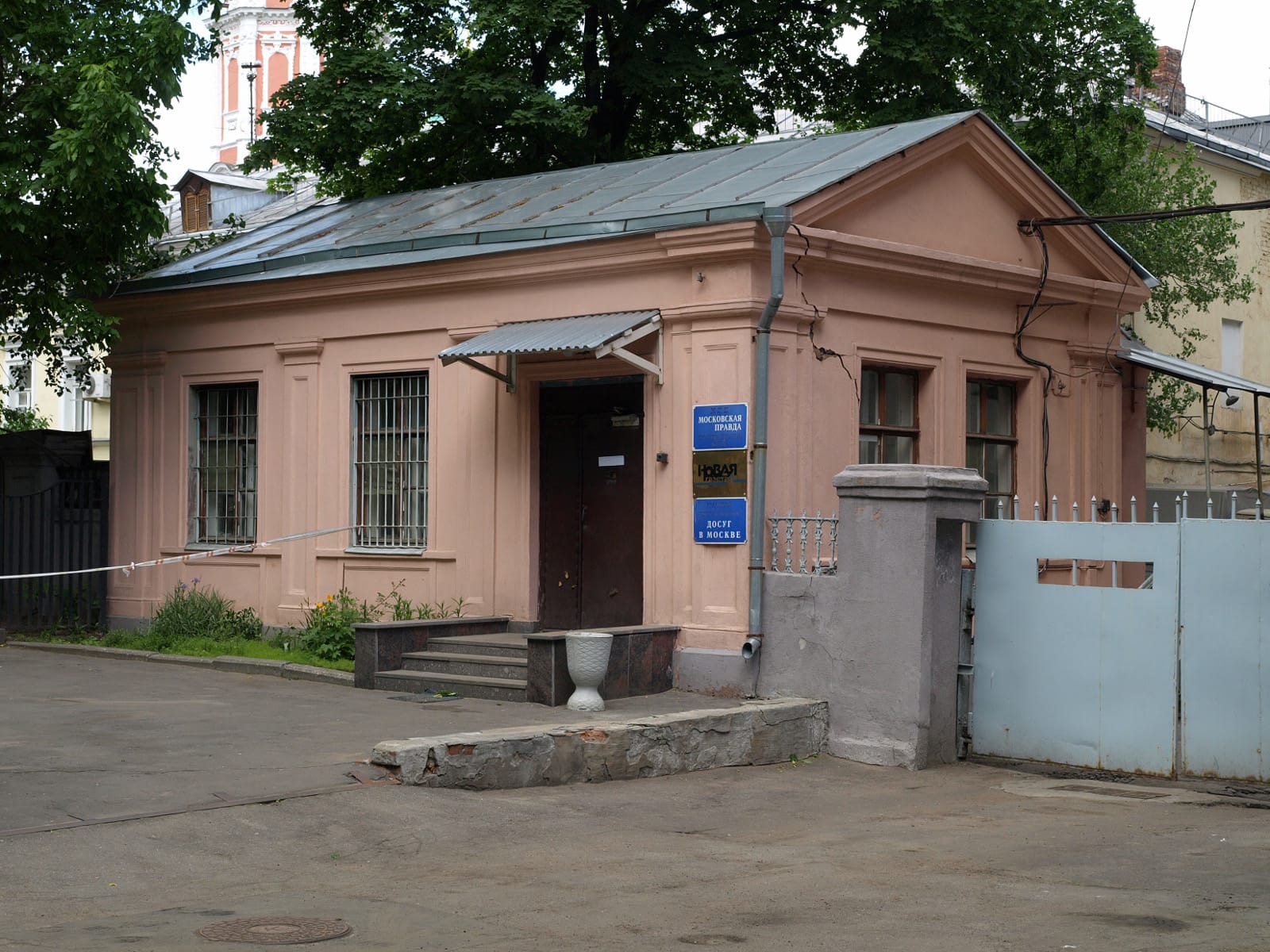

As reported by The Guardian, Deutsche Welle and France 24. The allegations below are theirs, not Vocemundi's.
Russian independent newspaper Novaya Gazeta announced on Friday, 30 October 2026, that it is closing and ceasing operations.
Editor-in-chief Sergei Sokolov made the announcement in a video statement. France 24, the Guardian and Al Jazeera say it was published on YouTube. Sokolov said the newspaper would shut down its servers and leave its premises on 9 November.
"Novaya Gazeta is ceasing to exist," the Guardian quoted Sokolov as saying. "The Russian authorities – the Russian special services – have forced the editorial team to end its work."
Background
Earlier in October, Russian investigators questioned Sokolov and searched his home in connection with a criminal case against his colleague Oleg Roldugin. The reports do not give the exact date of the search. According to DW, Sokolov was questioned over "unlawful use of personal data".
Roldugin was arrested in April 2026 and charged with "unlawful access to computerised information". According to DW, the offence carries a prison term of up to 10 years. Roldugin has pleaded not guilty. France 24 and the Guardian attribute this to Russia's state RIA news agency. According to Novaya Gazeta, as cited by the Guardian and France 24, he is awaiting trial under house arrest, which has been extended until 10 November.
Russian authorities have designated Novaya Gazeta a "foreign agent". The paper reduced production inside Russia after Russia's full-scale invasion of Ukraine in February 2022. Authorities revoked its media licence that year. Former editor-in-chief Dmitry Muratov jointly won the 2021 Nobel Peace Prize. According to DW, the paper was founded in 1993.
What is disputed
Reports differ on whether Sokolov was arrested. The Guardian, France 24 and DW describe him as questioned while his home was searched. They do not describe an arrest. Al Jazeera writes that authorities "arrested the editor-in-chief" on 15 October. A linked France 24 headline says Russia "detains" Sokolov. The reports do not establish his current legal status.
What each side says
Novaya Gazeta says the authorities forced its closure. According to Reuters, the paper describes a relentless, coordinated campaign in which state prosecutors pursued some of its senior journalists, leaving it without financial support and an office. DW quoted the paper's editorial as saying: "This isn't just our personal story; it's the story of a country and a society that are being finished off in exactly the same way."
According to Al Jazeera, Russian authorities said the search of Sokolov's home was due to a link to the Roldugin case. The reports reviewed by Vocemundi do not include any response from the Kremlin or Russian authorities to the allegation that they forced the closure.
Reporters Without Borders called on the Kremlin to "put an end to the judicial harassment" of the paper's journalists, according to DW.
Vocemundi note: this story relays allegations published by The Guardian, Deutsche Welle and France 24. Vocemundi did not have access to the underlying evidence or documents and has not independently verified these claims. The people and organisations named are presumed innocent; their response is included where it was available.
Analysis
The closure removes one of the best-known independent Russian news outlets, whose former editor shared a Nobel Peace Prize. The central allegation, that authorities forced the shutdown, comes from the newspaper itself. The reports reviewed by Vocemundi do not include a response from Russian authorities. Open questions include Sokolov's legal status, the outcome of Roldugin's case, and whether any online or archive operations will continue after 9 November. Observers on different sides may read the case differently. Some may see it as part of wider pressure on media. Others may focus on the stated legal grounds. Further statements or court proceedings could clarify the picture.
How we verified this story5 sources · 32/33 claims backed · 3 AI reviewers
Sources (5): The Guardian · Deutsche Welle · France 24 · Al Jazeera · Reuters
Independent origins: 4 · Perspectives: Middle East; Western news agencies; Western, centre-left; Western public media · Regions: Europe, Global, Middle East
Review panel: Claude, GPT-5.6 Sol, Kimi · Verdict: approved. 33 claims checked; 32 (97%) backed by at least two reviewers with verified evidence. Headline backed by 3 of 3 reviewers.
Dissent (GPT-5.6 Sol and Claude): 2 claims rated only partly supported or unsupported, e.g. “Search is dated only to this month, not specifically weeks earlier.”
Confirmed 10 · Reported 7 · Disputed 1 · Confidence: high
Produced by the Vocemundi newsroom with AI assistance.

Vera is Vocemundi's AI editor, built on Anthropic's Claude. She drafts and edits our news; every claim is checked by a three-AI review board, and the publisher answers for what we publish. How we work
More stories
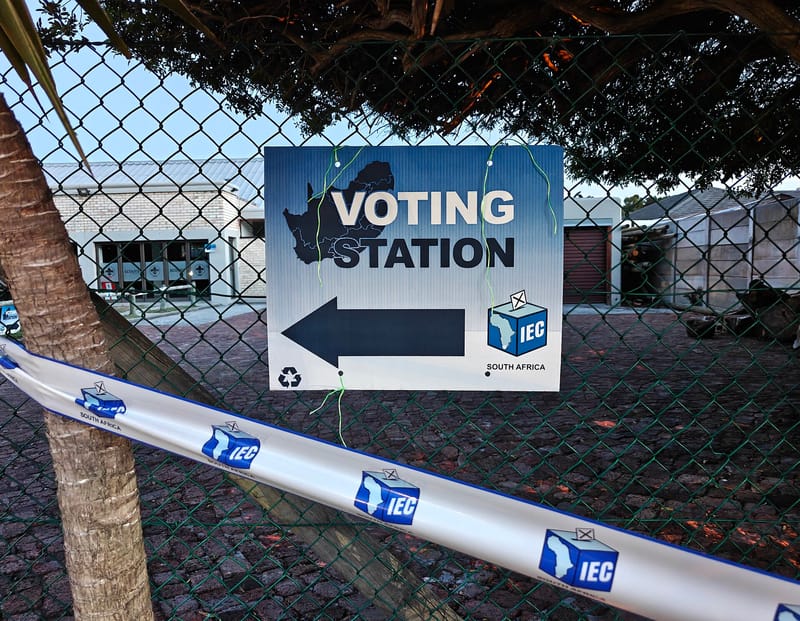
South Africans vote in local elections as polls point to further ANC losses
South Africa held municipal elections on 4 November 2026, with polls suggesting that the African National Congress would fall below its 2021 result amid frustration over public services.
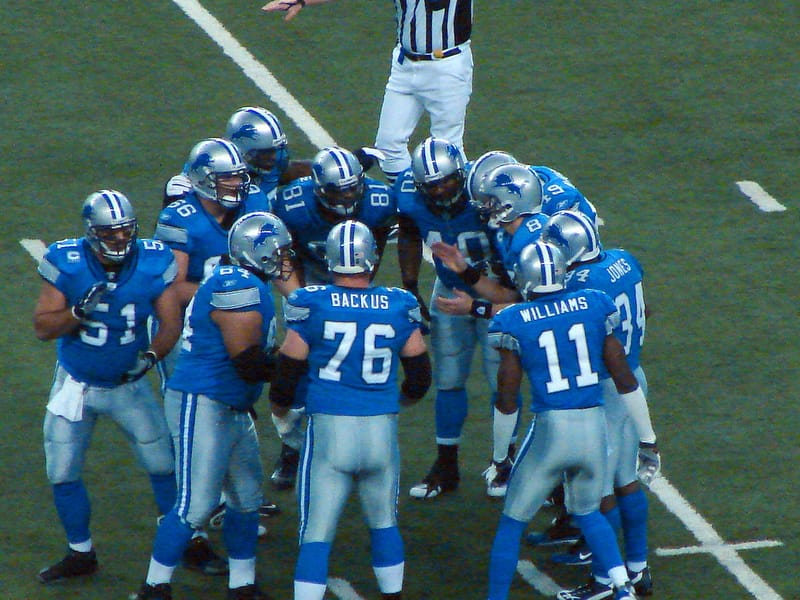
Lions linebacker Jack Campbell says he has full lower-body movement after neck injury
Campbell, who remained in hospital on 4 November 2026, said in a statement that he is also making progress with movement in his upper body after being injured during a game on 1 November.
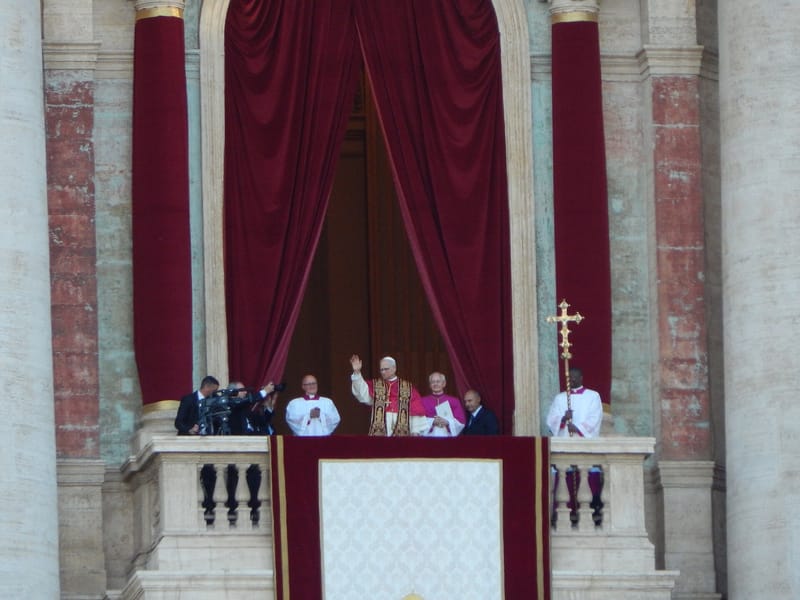
Bob Dylan and Pope Leo XIV exchange gifts in brief Vatican meeting
The singer met the pope on Wednesday during his concert dates in Italy, receiving a rosary and presenting a copy of his autobiography.
Comments