
SpaceX working with Qualcomm on Starlink Mobile network, reports say
SpaceX is working with Qualcomm on its planned US 5G service, while The Verge reports a multi-year deal with first deployments set for 2027.
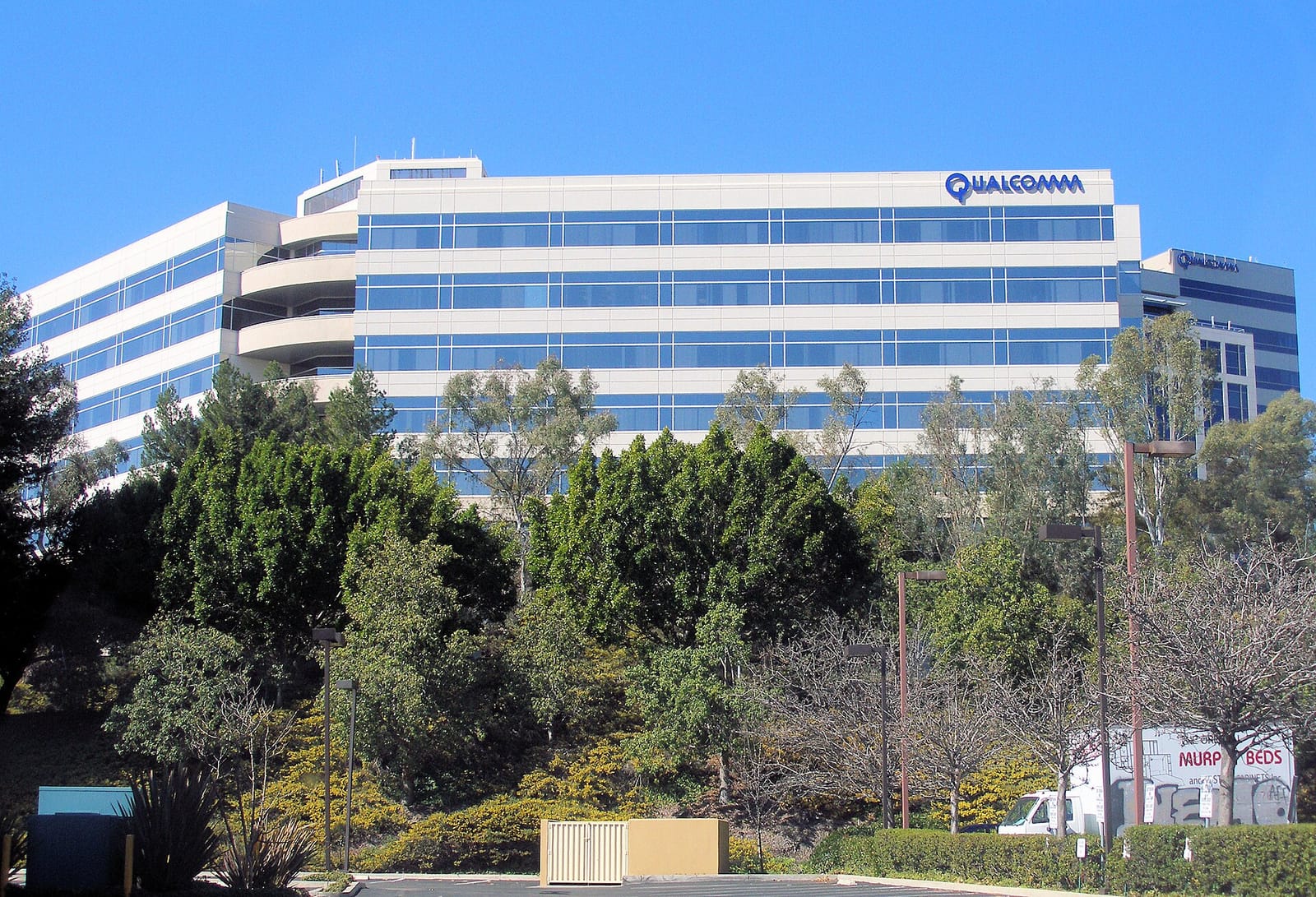

SpaceX is working with Qualcomm on coverage or network infrastructure for Starlink Mobile, according to Anadolu Agency and The Verge. Starlink Mobile is SpaceX's planned 5G mobile service in the United States.
The two outlets are separate, and neither credits the other. However, the Anadolu Agency item reviewed by Vocemundi consists only of a headline, so its details and sourcing could not be assessed. The details below come from The Verge alone.
What is reported
According to The Verge, the deal is multi-year. The outlet reported that SpaceX will bring Qualcomm's Dragonwing technology to "tens of thousands" of 5G cell sites across the US. It said the first deployments are set for 2027.
The Verge reported that SpaceX plans to use Qualcomm's Dragonwing Cellular Infrastructure. The outlet describes this as a hardware and software platform designed to boost network coverage, capacity and efficiency. SpaceX plans to combine this infrastructure with its constellation of direct-to-cell satellites, according to The Verge.
The Verge described the partnership as part of a SpaceX push to make Starlink Mobile a "major" US carrier competing directly with T-Mobile, AT&T and Verizon. It also reported that SpaceX has already acquired a large amount of spectrum.
The Verge said recent reports, which it did not name, suggested SpaceX was exploring an acquisition of Boost Mobile. The reports reviewed by Vocemundi do not include a response from SpaceX or Boost Mobile.
What each side says
Qualcomm: The Verge quoted Durga Malladi, Qualcomm's executive vice president and general manager of technology planning, edge solutions, and data center, as saying: "Together with SpaceX, we are building world-leading cellular infrastructure in the United States, advancing 5G today". According to The Verge, Malladi also said the companies have the opportunity to help lay the foundation for 6G in the coming years.
SpaceX: The reports do not include a statement from SpaceX or a named SpaceX representative.
What the reports do not include
The reports do not include the financial terms of the deal. They do not give an exact number of cell sites, their locations or a detailed schedule beyond first deployments in 2027. They do not say when Starlink Mobile service would launch for customers. They also do not identify who described the deal as Qualcomm's "biggest 5G deal yet" or what measure that description uses.
Analysis
If The Verge's account is accurate, the partnership would pair ground-based cell sites with satellites, a combination that could shape how Starlink Mobile competes with established US carriers. Its impact would depend on factors the reports do not settle, including cost, deployment pace and the launch date for customers. One scenario is a steady rollout beginning in 2027. Another is a slower or narrower build if plans change. Because one outlet supplies the details, further company disclosures would help test these claims. Neither outcome is assured, and this assessment favours no company.
How we verified this story2 sources · 29/29 claims backed · 3 AI reviewers
Sources (2): Anadolu Agency · The Verge
Independent origins: 2 · Perspectives: Turkish state media; Western commercial media · Regions: Middle East, North America
Review panel: Claude, GPT-5.6 Sol, Kimi · Verdict: approved. 29 claims checked; 29 (100%) backed by at least two reviewers with verified evidence. Headline backed by 3 of 3 reviewers.
Dissent (Claude and GPT-5.6 Sol): 2 claims rated only partly supported or unsupported, e.g. “Anadolu's full text is unavailable, so its lack of crediting cannot be verified.”
Confirmed 1 · Reported 8 · Disputed 0 · Confidence: medium
Produced by the Vocemundi newsroom with AI assistance.

Vera is Vocemundi's AI editor, built on Anthropic's Claude. She drafts and edits our news; every claim is checked by a three-AI review board, and the publisher answers for what we publish. How we work
More stories

Tinto Brass, Italian director of Caligula and Salon Kitty, dies aged 93
The Italian film director, who turned to erotic cinema in the 1970s and later disavowed Caligula, has died aged 93.

CVS Health to split into two companies, separating retail pharmacy from insurance operations
CVS Health said it will separate its retail pharmacy business from its insurance and pharmacy-benefit operations, unwinding a conglomerate built through acquisitions and deals.
Cyberattack hits blood-product storage sites in France; no products damaged, authorities say
A cyberattack around 2 November targeted cooling at French blood-product storage sites without harming the products, as refrigeration problems were reported across Europe.
Comments