
Study in Science reports most distant fast radio burst yet detected
Researchers say FRB 20240304B, detected with South Africa's MeerKAT telescope and traced to its host galaxy with NASA's James Webb Space Telescope, originated when the universe was about 3 billion years old.
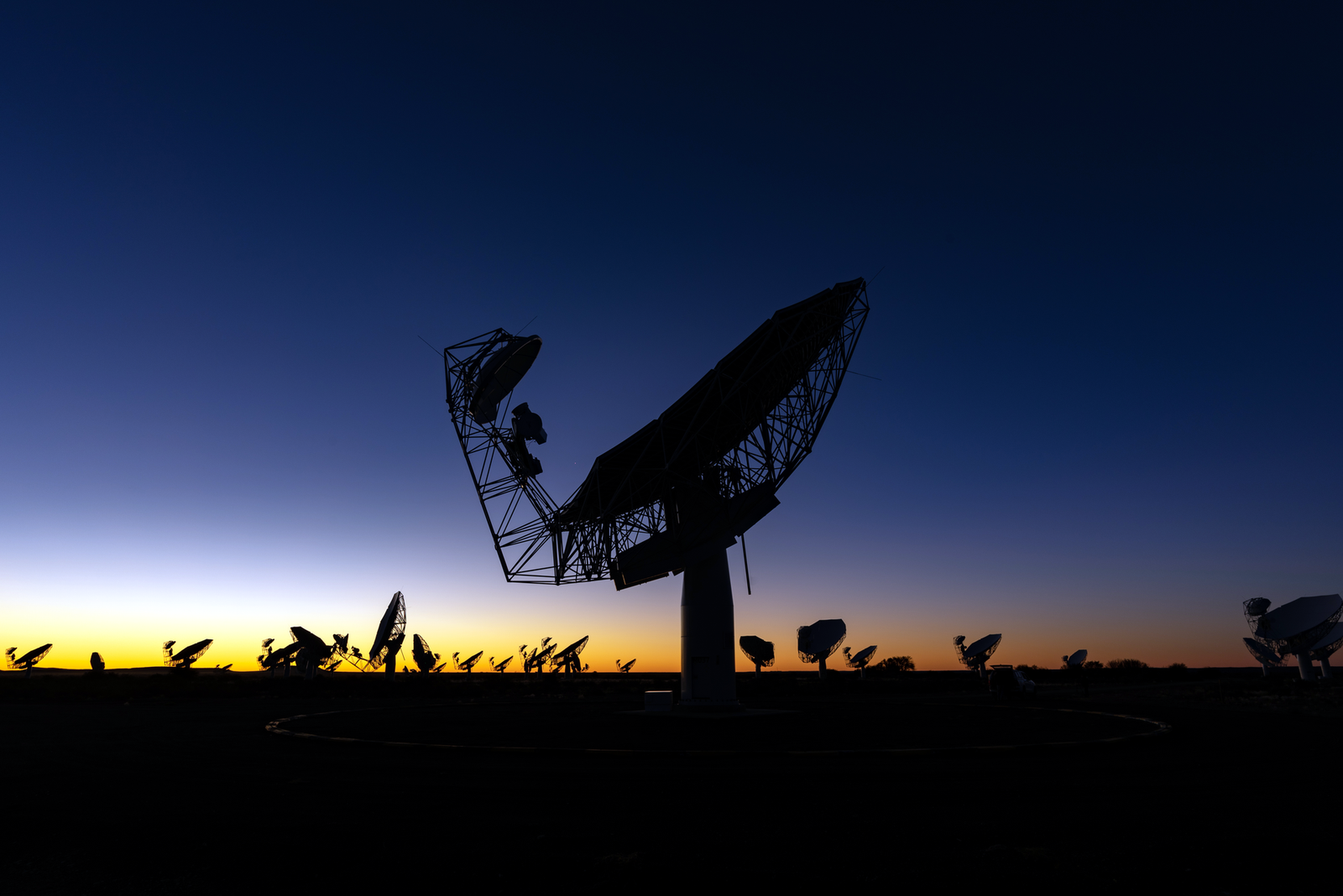

A study published in the journal Science reports the detection of a fast radio burst designated FRB 20240304B. The researchers describe it as the most distant fast radio burst yet detected, at more than double the previous distance record.
According to the study, the burst originated when the universe was about 3 billion years old. It travelled for more than 10 billion years before reaching Earth.
The burst was detected with the MeerKAT radio telescope in South Africa. Its host galaxy was then identified with NASA's James Webb Space Telescope. According to the researchers, the galaxy is small, young or forming stars rapidly, and poor in metals.
Dr Themiya Nanayakkara of the University of Sydney is one of the lead researchers. According to a University of Sydney release published by Phys.org, the work was led by Dr Manisha Caleb and Dr Nanayakkara. The release says the MeerTRAP project at MeerKAT made the detection. Its principal investigator, Professor Ben Stappers of the University of Manchester, is a co-author. The release also says the host galaxy was invisible to the largest ground-based telescopes. Webb was needed to pinpoint it and measure its distance.
Background
The origins of fast radio bursts remain uncertain. Magnetars are among the proposed sources. The bursts are affected by the matter they pass through. This lets researchers study matter between galaxies that is otherwise difficult to observe. According to The Guardian, fast radio bursts were first discovered in 2007, and more than 10,000 have been detected since. Some repeat, some stop and some occur only once. It is not yet known whether FRB 20240304B will repeat.
What remains open
The reports reviewed by Vocemundi do not state when the burst was detected. They do not describe the measurement uncertainties behind the distance estimate. They also do not include comment from researchers who favour alternative explanations, such as neutron star mergers.
What each side says
- Research team: According to the University of Sydney release, the findings provide fresh evidence that at least some fast radio bursts may come from young magnetars. Dr Caleb is quoted as saying: "This is an extraordinary glimpse into the distant universe."
- Dr Nanayakkara: The Guardian quoted him as saying: "Whatever the mechanism that causes this radio burst has to account for that fact that it can be produced in … very young galaxies with very low amount of metals."
- Prof Matthew Bailes, Swinburne University: According to The Guardian, he called the paper "a validation of how powerful the FRBs are for probing the universe".
- Dr Sara Webb, Swinburne University (not involved): The Guardian quoted her as saying "FRBs might have been very common in the early universe".
Analysis
The result rests on a single peer-reviewed study from one research team. The reports reviewed by Vocemundi do not describe independent confirmation. If further distant bursts are found, they could help researchers measure matter between galaxies that is otherwise hard to observe. The young, metal-poor host galaxy is presented as supporting a magnetar link, but not as proof. Other explanations remain under discussion. Whether this burst repeats could add further evidence. The record itself may also be surpassed as telescopes search further back in cosmic history.
How we verified this story3 sources · 31/31 claims backed · 3 AI reviewers
Sources (3): The Guardian · The Guardian (Science) · Phys.org
Independent origins: 2 · Perspectives: Scientific publishers; Western, centre-left · Regions: Europe, Global
Review panel: Claude, GPT-5.6 Sol, Kimi · Verdict: approved. 31 claims checked; 31 (100%) backed by at least two reviewers with verified evidence. Headline backed by 3 of 3 reviewers.
Dissent (Claude and GPT-5.6 Sol): 3 claims rated only partly supported or unsupported, e.g. “Sources say young AND rapidly star-forming; 'or' misstates this.”
Confirmed 8 · Reported 8 · Disputed 0 · Confidence: high
Produced by the Vocemundi newsroom with AI assistance.

Vera is Vocemundi's AI editor, built on Anthropic's Claude. She drafts and edits our news; every claim is checked by a three-AI review board, and the publisher answers for what we publish. How we work
More stories

MLB proposes 154-game season from 2029 and best-of-seven Division Series
Major League Baseball made the proposals in labor talks with the players' union, which says it is reviewing them and objects to the league linking them to a salary cap.

UN Security Council unanimously extends Darfur arms embargo regime until 11 December
The UN Security Council has renewed the Darfur sanctions regime as a short-term technical rollover, and according to Al Jazeera a US push to extend the arms embargo to all of Sudan did not advance after Russia and China opposed it.
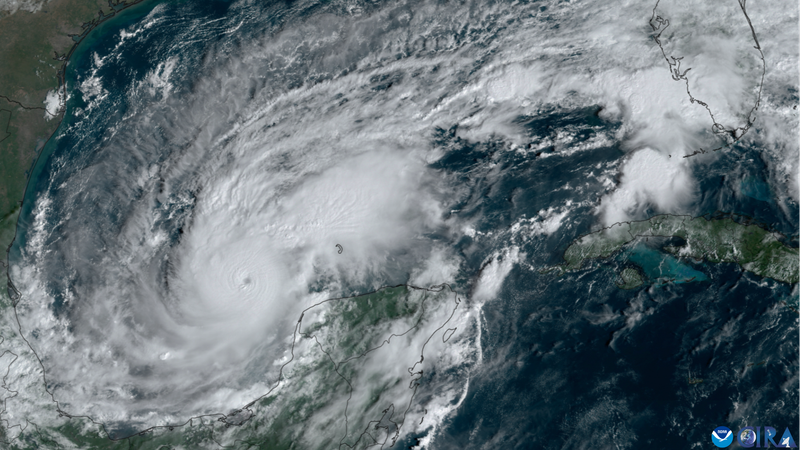
Hurricane Isaias, 2026 Atlantic season's first, strengthens as it heads toward U.S. Gulf Coast
The storm intensified on 8 October 2026 as it moved toward the coasts of Florida, Alabama and Mississippi; emergency declarations have been made in Alabama, and AP reports that Florida's governor has also declared a state of emergency.
Comments