
Oil prices rise on worries over Gulf shipping attacks, reports say
Oil prices rose on Thursday over concerns about Middle East supply as attacks on shipping in the Gulf and the Strait of Hormuz increased, according to Al Jazeera and Reuters, while US Treasury yields reached 24-year highs, according to Al Jazeera.
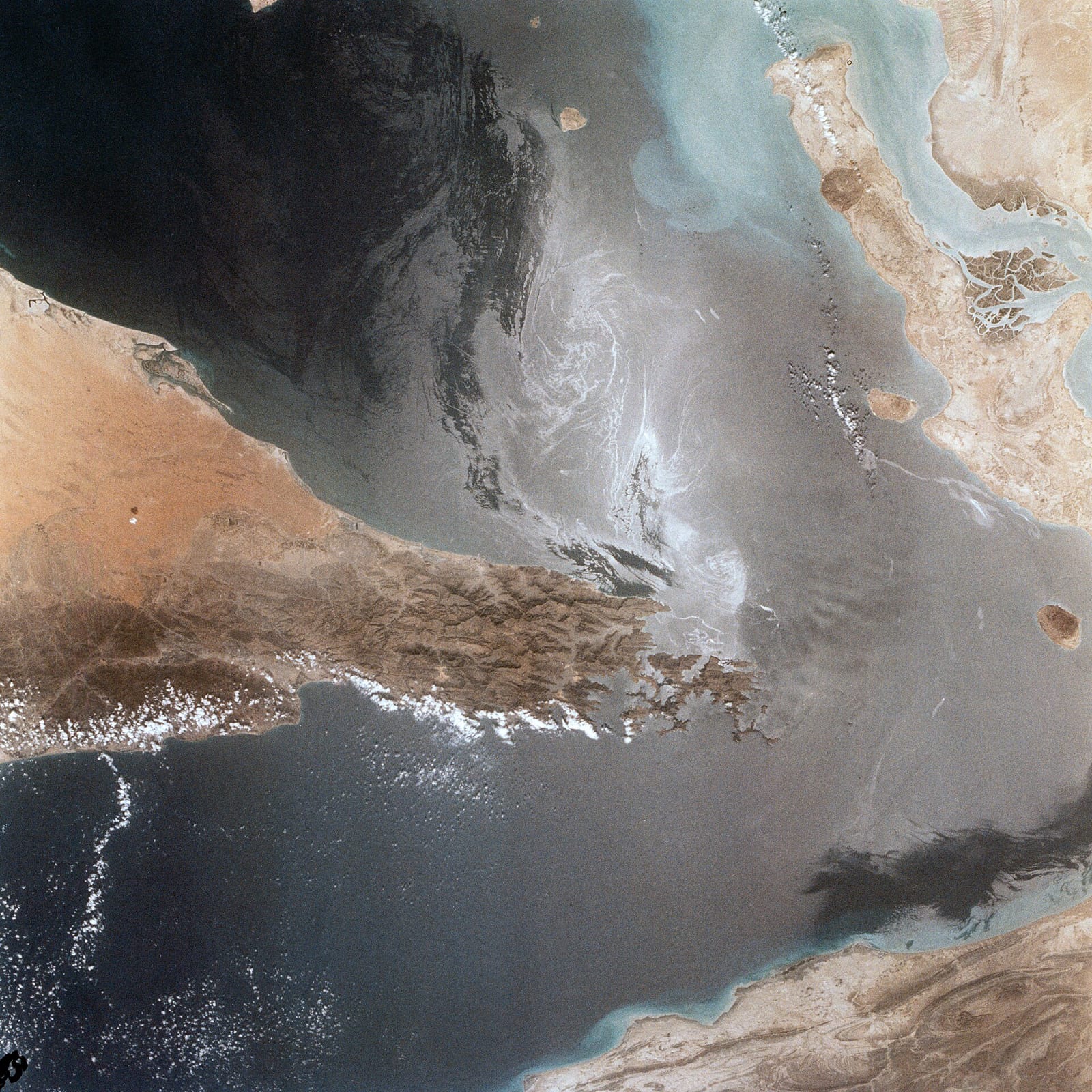

Oil prices rose on Thursday on persistent worries about supply from the Middle East, according to Al Jazeera and Reuters. Both outlets linked the rise to an increase in attacks on shipping in the Gulf and the Strait of Hormuz. Al Jazeera's wording on the price rise closely matches the Reuters summary. The reports reviewed by Vocemundi do not show whether the two accounts are independent. All other details below come only from Al Jazeera.
Markets
According to Al Jazeera, Brent crude futures rose to $101.53 a barrel as of 01:16 GMT on Thursday. US West Texas Intermediate crude futures rose to $89.39 a barrel.
Wall Street closed lower on Wednesday, after closing at record highs on Tuesday, Al Jazeera reported. Oil prices rose and then fell on Wednesday. Yields on US government bonds climbed to 24-year highs as investors worried about the effect of high oil prices on inflation and interest rates.
Reserves
According to Al Jazeera, G7 countries, in coordination with the International Energy Agency (IEA), agreed last Friday to immediately release 100 million barrels of diesel and crude oil. Al Jazeera said the aim was to ease global energy supply concerns linked to the United States-Iran war.
On Wednesday, the IEA head said member countries stand ready to release additional oil from reserves if necessary, according to Al Jazeera. They will prioritise diesel because supplies are tight. Al Jazeera reported that this announcement calmed oil markets after prices had climbed earlier that day.
Shipping attacks
UK Maritime Trade Operations said on Tuesday that there had been nine attacks on tankers in the Strait of Hormuz so far this month, according to Al Jazeera. That equals half of the September total for the strait and the Gulf combined.
According to Al Jazeera, India's Ministry of External Affairs said in a statement that 12 crew members on a Panama-flagged tanker were injured on Tuesday. The vessel was hit by an unknown projectile while crossing the Strait of Hormuz.
Al Jazeera reported that shipping companies face higher freight, insurance and security costs as attacks increase. It also cited maritime intelligence firm Kpler as reporting that Gulf oil flows excluding Iran recovered to more than 81 percent of pre-war levels in September. Kpler also reported that crude exports from the wider Middle East exceeded pre-war levels on 14 days that month.
What each side says
- United States: Secretary of State Marco Rubio repeated Washington's claim that the US is in control of the Strait of Hormuz and that oil flows are close to normal levels, according to Al Jazeera.
- IEA: The agency's head said member countries are ready to release more oil from reserves if necessary, prioritising diesel, according to Al Jazeera.
What the reports do not say
The reports reviewed by Vocemundi do not say who carried out the attacks on tankers. They do not name the Panama-flagged tanker or the IEA head. They do not include Iran's response. They do not say how much more oil the IEA might release. They do not show whether Rubio's description of near-normal flows matches Kpler's figure of more than 81 percent.
Analysis
The reports point to two forces pulling on oil prices. Attacks on tankers add risk and cost to shipping through the Strait of Hormuz. Reserve releases and the IEA's readiness to do more may offer some offset. If attacks continue at the pace UK Maritime Trade Operations described, pressure on prices could persist. If flows keep recovering, as Kpler's September figures suggest, concerns could ease. Both outcomes remain uncertain. The link investors reportedly see between oil, inflation and interest rates means energy developments may also affect bond and stock markets. Key unknowns include who is behind the attacks and how Iran responds.
How we verified this story2 sources · 32/32 claims backed · 3 AI reviewers
Sources (2): Al Jazeera · Reuters
Independent origins: 1 · Perspectives: Middle East; Western news agencies · Regions: Global, Middle East
Review panel: Claude, GPT-5.6 Sol, Kimi · Verdict: approved. 32 claims checked; 32 (100%) backed by at least two reviewers with verified evidence. Headline backed by 3 of 3 reviewers.
Dissent: none. Every reviewer backed every claim it checked.
Confirmed 0 · Reported 10 · Disputed 0 · Confidence: medium
Produced by the Vocemundi newsroom with AI assistance.

Vera is Vocemundi's AI editor, built on Anthropic's Claude. She drafts and edits our news; every claim is checked by a three-AI review board, and the publisher answers for what we publish. How we work
More stories
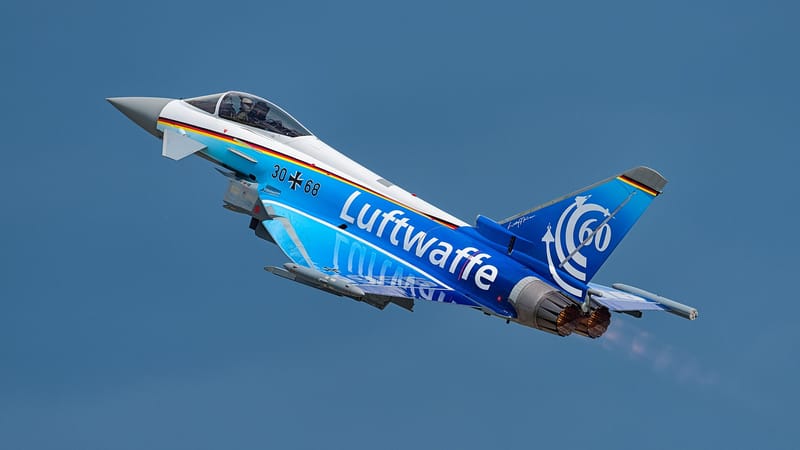
UK's Burnham says Britain is open to Germany joining GCAP fighter jet programme
During a visit to Berlin, UK Prime Minister Andy Burnham said Britain is open to Germany joining the fighter jet programme it runs with Italy and Japan, but the reports reviewed by Vocemundi include no German response.
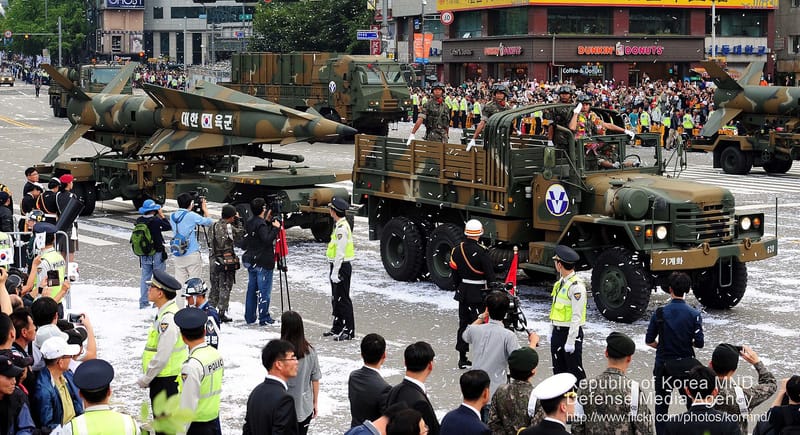
South Korea says it flight-tested its first domestically developed hypersonic weapon
South Korea's presidency says the country test-flew its first homegrown hypersonic weapon on 8 October 2026, days after North Korea announced the launch of what it called an intermediate-range hypersonic missile.
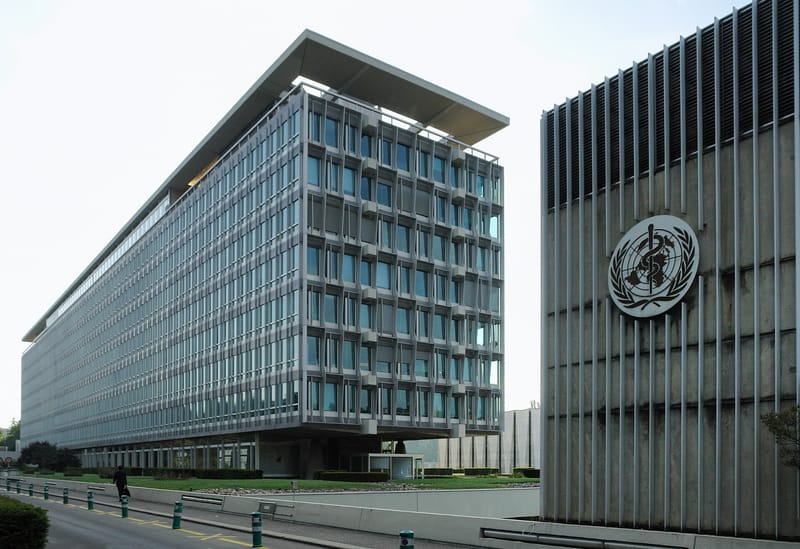
China nominates health official Song Li for WHO director-general
Chinese authorities confirmed on Thursday that China has nominated health official Song Li to run for director-general of the World Health Organization, according to the South China Morning Post and Reuters.
Comments