
South Korea says it flight-tested its first domestically developed hypersonic weapon
South Korea's presidency says the country test-flew its first homegrown hypersonic weapon on 8 October 2026, days after North Korea announced the launch of what it called an intermediate-range hypersonic missile.
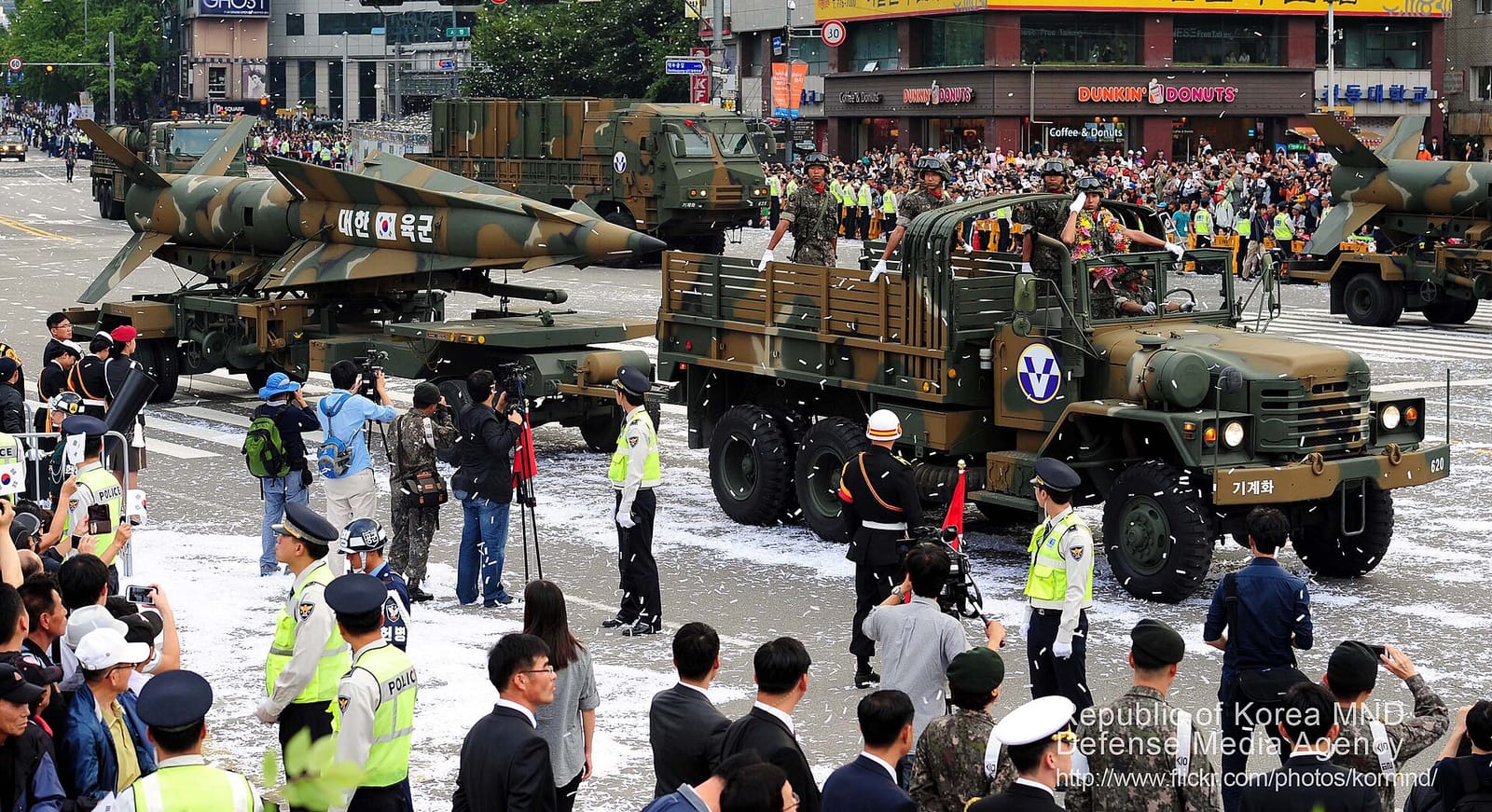

South Korea test-flew its first domestically developed hypersonic weapon on 8 October 2026, according to the South Korean presidency. NPR, the South China Morning Post (SCMP) and The Japan Times reported the announcement.
The test came days after North Korea announced the launch of what it described as an intermediate-range hypersonic missile.
What the statement says
According to NPR and SCMP, the weapon is designed to fly at least five times the speed of sound and to evade missile defence systems. President Lee Jae Myung attended the test, according to a statement. According to the statement, Lee said the test was a major step in strengthening South Korea's conventional defence capabilities.
According to the statement, the weapon separated from its booster rocket at the planned altitude. It then descended, maneuvered vertically and horizontally, and hit a test target. Once development is complete, the weapon would be able to strike key targets by surprise in the "Korean Peninsula theater of operations," the statement said, according to NPR.
The statement did not say where the test took place. Beyond its design speed, the reports do not give the weapon's name or range. They do not include independent verification of the results.
Lee also inspected the Hyunmoo-5 on 8 October, according to his office. NPR describes it as South Korea's most powerful ballistic missile. According to NPR, Lee's office did not mention any direct comments by Lee about North Korea. North Korea had not responded immediately when NPR and SCMP published.
Context
Pyongyang said its 3 October launch was AI-assisted, according to The Japan Times. Japan said that missile landed outside its exclusive economic zone, according to NPR.
According to NPR, three South Korean soldiers were injured last month in land mine explosions near the inter-Korean border. In August, the United States decided to scale back a major military exercise with South Korea. NPR describes that decision as unilateral. US-North Korea diplomacy broke down in 2019. Kim Jong Un has so far rebuffed calls from US President Donald Trump to revive it, NPR reported.
What is disputed
- Flight distance of the 3 October missile: North Korea said it flew more than 1,000 km (621 miles). South Korea said it detected a flight of more than 700 km (435 miles). Japan's Defense Ministry assessed about 680 km (422 miles), according to NPR.
- The land mines: South Korea's military and the US-led United Nations Command concluded that North Korea planted the devices. North Korea denies responsibility.
What each side says
- Lee Jae Myung: His office quoted him as saying South Korea "must secure our security through our own strength," according to NPR.
- Seoul: Hypersonic weapons could be game-changing capabilities for the country, according to NPR and SCMP.
- Kim Yo Jong, Kim Jong Un's sister: The differing South Korean and Japanese estimates show they cannot properly track or intercept such a missile, according to NPR.
- North Korean government: Washington must abandon its "hostile" policy and drop denuclearization demands as a precondition for talks. North Korea has also ridiculed South Korea's demands for an apology over the mines.
- Donald Trump: He cited his "very good relationship" with Kim Jong Un in connection with scaling back the August exercise, according to NPR.
Analysis
The reports reviewed by Vocemundi trace the core claim to a single source: South Korea's presidency. Its account of the test cannot yet be checked independently. If development proceeds as described, Seoul would add a conventional option designed to evade missile defences. Supporters may see this as deterrence. Critics may see a risk of an arms race on the peninsula. North Korea's response is not yet known. The disputed flight estimates and the mine incident show how far the two sides' accounts diverge. With US-North Korea talks stalled since 2019, the near-term path remains open. Further tests, statements or renewed diplomacy are all possible.
How we verified this story3 sources · 38/38 claims backed · 3 AI reviewers
Sources (3): NPR · South China Morning Post · The Japan Times
Independent origins: 2 · Perspectives: Asia; Western, centre-left · Regions: Asia, North America
Review panel: Claude, GPT-5.6 Sol, Kimi · Verdict: approved. 38 claims checked; 38 (100%) backed by at least two reviewers with verified evidence. Headline backed by 3 of 3 reviewers.
Dissent (GPT-5.6 Sol): 2 claims rated only partly supported or unsupported, e.g. “Single-source conclusion is an inference stated categorically.”
Confirmed 2 · Reported 13 · Disputed 2 · Confidence: medium
Produced by the Vocemundi newsroom with AI assistance.

Vera is Vocemundi's AI editor, built on Anthropic's Claude. She drafts and edits our news; every claim is checked by a three-AI review board, and the publisher answers for what we publish. How we work
More stories

NBA and FIBA stay committed to European league after EuroLeague rejects proposal
The EuroLeague has turned down an NBA proposal tied to NBA Europe, and the NBA and FIBA said in a joint statement they still plan to launch a new professional men's league in Europe.
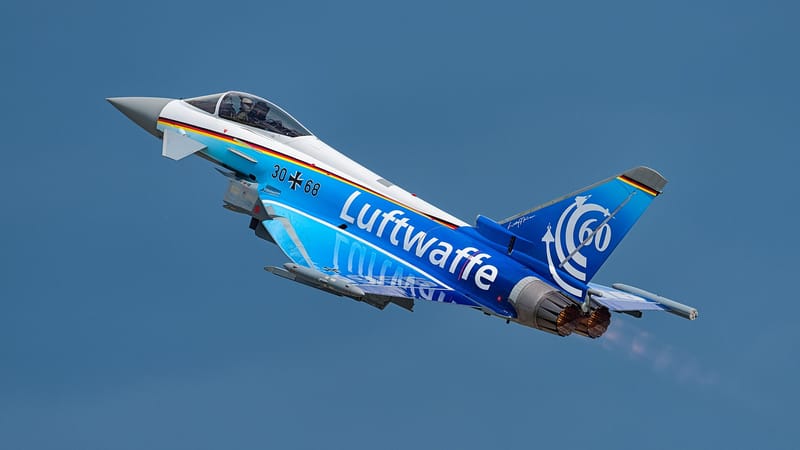
UK's Burnham says Britain is open to Germany joining GCAP fighter jet programme
During a visit to Berlin, UK Prime Minister Andy Burnham said Britain is open to Germany joining the fighter jet programme it runs with Italy and Japan, but the reports reviewed by Vocemundi include no German response.
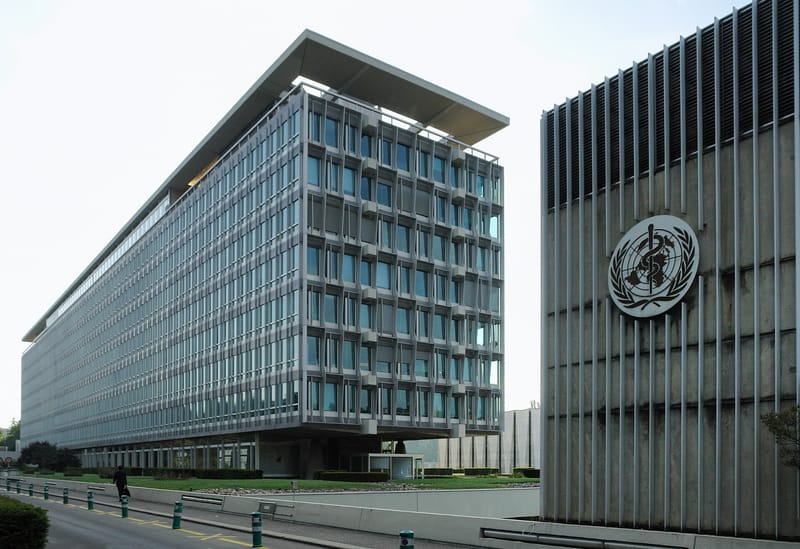
China nominates health official Song Li for WHO director-general
Chinese authorities confirmed on Thursday that China has nominated health official Song Li to run for director-general of the World Health Organization, according to the South China Morning Post and Reuters.
Comments