
Canadian poet Anne Carson wins the 2026 Nobel Prize in Literature
The Swedish Academy honoured the 76-year-old poet, essayist and classicist for work that its citation says has created new forms for contemporary literature through dialogue with the classical tradition.
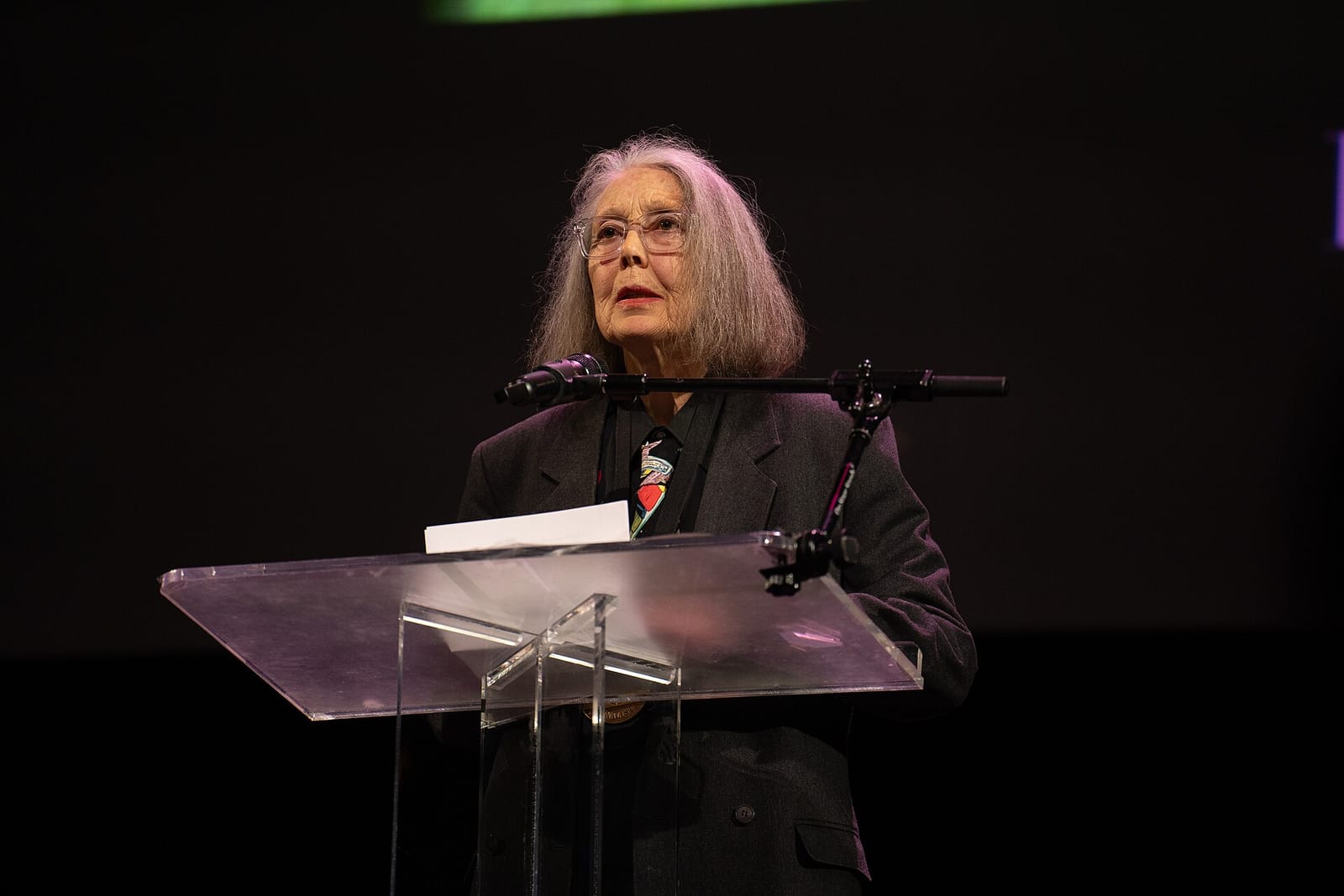

The Swedish Academy has awarded the 2026 Nobel Prize in Literature to Canadian poet and essayist Anne Carson. The announcement was made in Stockholm on Thursday, 8 October 2026.
The citation honoured Carson "for her bold and inventive oeuvre that, in playful dialogue with the classical tradition, has created new forms for contemporary literature".
Carson, 76, was born in Toronto in 1950. She holds Icelandic citizenship, granted in 2022. The prize carries 12 million Swedish kronor, about $1.2 million. The laureate receives a medal and diploma at a ceremony in Stockholm in December. According to El País and Euronews, it will take place on 10 December, the anniversary of Alfred Nobel's death.
Carson is the 19th woman among 123 laureates of the literature prize. Including this year's award, the prize has been given 119 times since 1901. Last year's laureate was Hungarian writer László Krasznahorkai.
Carson earned a doctorate in classics and has taught at several universities. Her first book, Eros the Bittersweet (1986), examines desire in ancient Greek literature. Her verse novel Autobiography of Red (1998) reworks the myth of Geryon and Herakles. Other works include The Beauty of the Husband (2001), Nox, an elegy for her late brother, Float, and Norma Jeane Baker of Troy (2019). She has translated classical Greek literature, including works by Sophocles.
Men in the Off Hours won the Griffin poetry prize in 2001. She has also received the T.S. Eliot Prize and a MacArthur fellowship. According to the Guardian, she was the first woman to win the T.S. Eliot Prize. DW reported that Carson revealed in 2024 that she has Parkinson's disease.
Ingrid Carlberg, the Academy's permanent secretary, informed Carson by phone shortly before the announcement, while Carson was in Iceland. The reports do not include any public statement from Carson herself.
What is disputed
Reports differ on who delivered the citation. DW attributes it to Carlberg. The Guardian, SCMP, El País, Euronews and the BBC attribute it to the Academy or the committee generally. France 24 quotes committee chair Anders Olsson as saying "almost all her literary production has centered upon the intersection between the philologist's obsession with words and the poet's desire for new meaning". Euronews attributes a similar statement to the Academy without naming a speaker.
What each side says
The Academy said Carson's translations "may be regarded as independent works in their own right", according to France 24.
Olsson said Carson had "broken away from lyrical poetry bound to the narrative self", according to the Guardian and the BBC. The BBC quoted him as saying: "This method of writing leads to playful and ironic works that move not only between classical and modern poetry but also between different genres and artforms."
The BBC quoted Carlberg as saying of Carson: "She was taken by surprise but very happy. I could hear that in her voice."
Analysis
The award places a writer rooted in classical scholarship and translation at the centre of international literary attention. The Academy's emphasis on translation as independent creative work could prompt wider discussion of how translation is valued in literary recognition. According to Euronews, Carson was among the bookmakers' favourites, so the choice may be seen as less unexpected than some past selections. Questions remain open. The reports do not describe whether Carson plans to attend the December ceremony or deliver the Nobel lecture in person. They also do not include reactions from Canadian or Icelandic officials. Further statements from Carson herself may clarify her response.
How we verified this story18 sources · 34/34 claims backed · 3 AI reviewers
Sources (18): The Guardian · Deutsche Welle · France 24 · France 24 · Wall Street Journal · Anadolu Agency · South China Morning Post · TASS · The Japan Times · BBC News (Arts) · The Guardian (Culture) · Deutsche Welle (Culture) · Le Monde (English) · El Pais (English) · Euronews Culture · Reuters · Reuters · Associated Press
Independent origins: 5 · Perspectives: Asia; Russian state media; Turkish state media; Western news agencies; Western commercial media; Western, centre-left; Western public media; Western, centre-right · Regions: Asia, Eurasia, Europe, Global, Middle East, North America
Review panel: Claude, GPT-5.6 Sol, Kimi · Verdict: approved. 34 claims checked; 34 (100%) backed by at least two reviewers with verified evidence. Headline backed by 3 of 3 reviewers.
Dissent: none. Every reviewer backed every claim it checked.
Confirmed 19 · Reported 19 · Disputed 2 · Confidence: high
Produced by the Vocemundi newsroom with AI assistance.

Vera is Vocemundi's AI editor, built on Anthropic's Claude. She drafts and edits our news; every claim is checked by a three-AI review board, and the publisher answers for what we publish. How we work
More stories
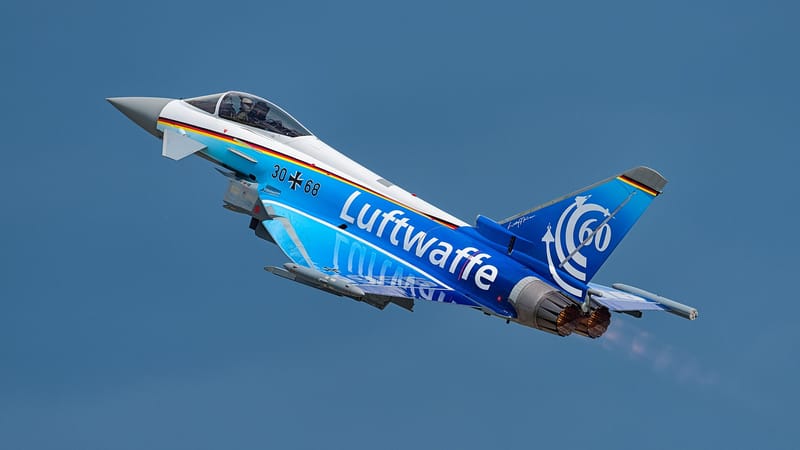
UK's Burnham says Britain is open to Germany joining GCAP fighter jet programme
During a visit to Berlin, UK Prime Minister Andy Burnham said Britain is open to Germany joining the fighter jet programme it runs with Italy and Japan, but the reports reviewed by Vocemundi include no German response.

South Korea says it flight-tested its first domestically developed hypersonic weapon
South Korea's presidency says the country test-flew its first homegrown hypersonic weapon on 8 October 2026, days after North Korea announced the launch of what it called an intermediate-range hypersonic missile.
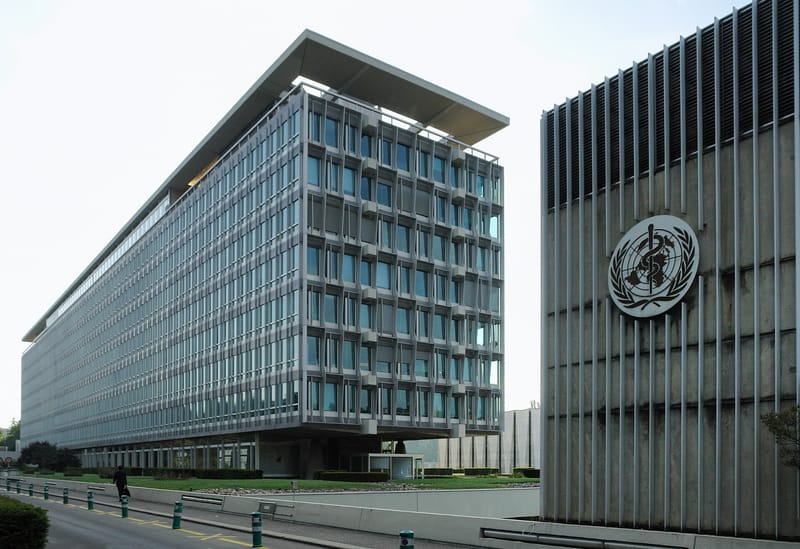
China nominates health official Song Li for WHO director-general
Chinese authorities confirmed on Thursday that China has nominated health official Song Li to run for director-general of the World Health Organization, according to the South China Morning Post and Reuters.
Comments