
Study proposes van Gogh's 'Starry Night' shows the sky of about 22 July 1889
A South Korean-led study reported by France 24 and Phys.org says the painting matches a predawn sky about a month later than the June 1889 date art historians have long used.
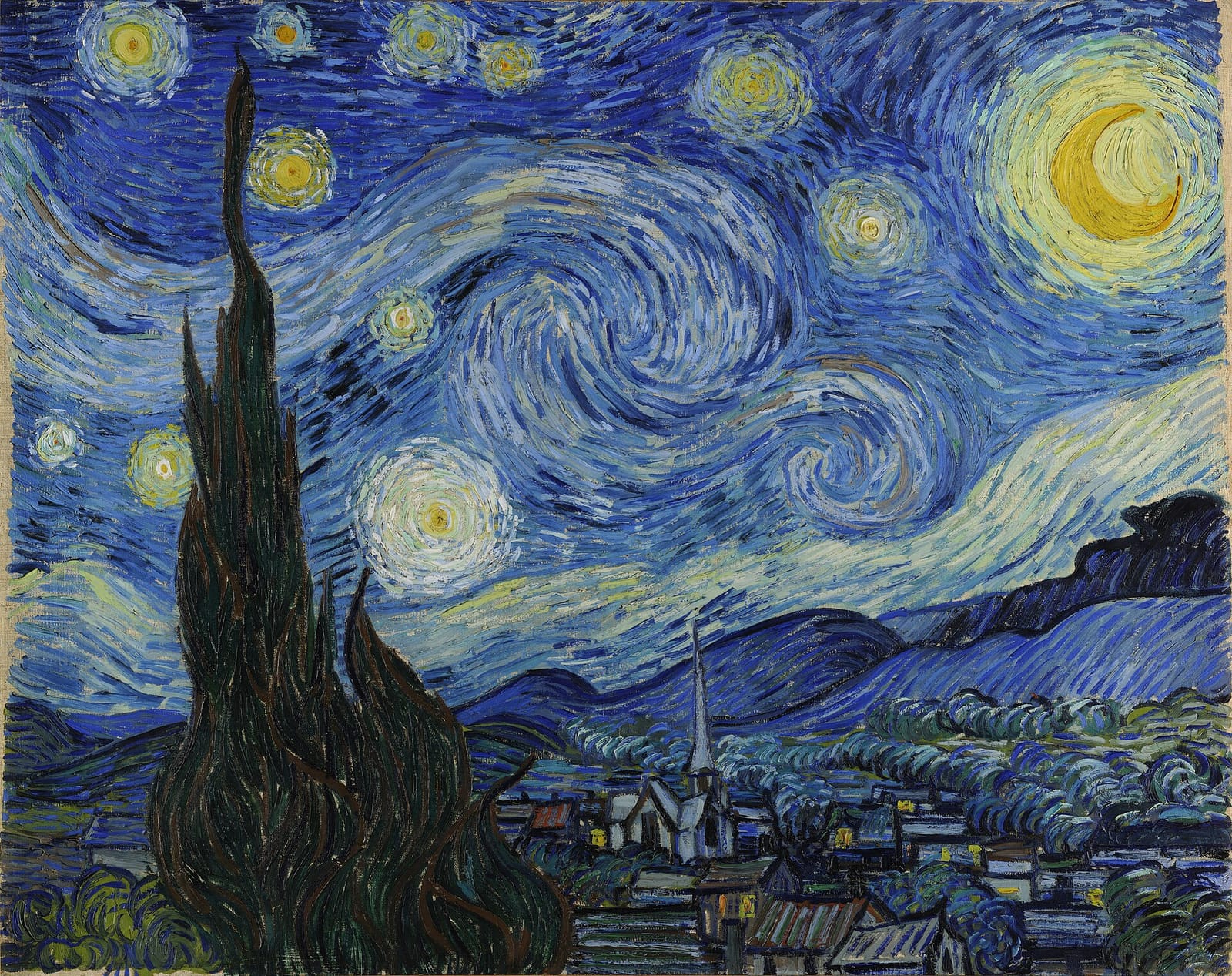

A research team led by Elijah Jeong-hyun Kim says Vincent van Gogh's "The Starry Night" matches the predawn sky over Saint-Rémy-de-Provence, France, around 22 July 1889, according to France 24 and Phys.org. Both outlets carry the same Associated Press (AP) story. The details below come from that one report.
According to the reports, the team reported its findings on Thursday in a study appearing in the journal Scientific Reports. Phys.org lists the paper as "The actual sky of Van Gogh's Starry Night: a multidisciplinary reconstruction" (DOI: 10.1038/s41598-026-73025-5).
Art historians have long dated the painting to June 1889, soon after van Gogh entered the asylum at Saint-Rémy, the reports say. The proposed date is about a month later.
The reports describe Kim as the CEO of a Seoul telescope maker and a doctoral candidate at Kyung Hee University. They do not name the company.
The reports describe the team's analysis as follows. Around 22 July 1889, the predawn moon resembled the one in the painting. The Hyades star cluster in Taurus was rising in the east with Venus. The team's weather analyses indicate the sky should have been clear enough to see them. The researchers also tested their methods on night skies shown in other paintings.
Kim travelled to France twice in 2019, in mid-June and around 22 July. According to the reports, he saw brilliant stars rising in the July predawn sky but not in June. Van Gogh painted in a studio at the asylum from sketches and memory, the reports say.
What is disputed
The study's July estimate differs from the June 1889 date long used by art historians. The reports do not include a response from art historians, the Museum of Modern Art or van Gogh specialists.
What each side says
Kim says the most similar sky occurred around 22 July 1889. He says the days just before and after could also have inspired the painter. "I am confident that July 22 is the better date. I will bet on this date," the AP report quoted him as saying. "No two skies are the same. Something always changes. I believe Vincent noticed those changes and put them into the painting," Kim said in an email, according to the AP report.
Kim and his team also say van Gogh's seizure, thought to have occurred around that time in July, happened later that month. They base this on letters between the painter and one of his brothers. According to Kim, some letters mention cicadas, which he says points to the hotter month of July.
France 24 adds that art historians have also long assumed the stars were a product of the artist's fantasy.
Jose Luis Aragon is a physicist at the National Autonomous University of Mexico and was not involved in the study. He says it addresses a real puzzle, because in mid-June 1889 the moon was not the thin crescent van Gogh painted. "Still, I would see the July date as an intriguing hypothesis rather than a settled answer," he said in an email, according to the AP report. He called the work "a careful and genuinely interdisciplinary study" and said "the sky is likely a composite of many nights as the authors themselves acknowledge."
The reports do not describe the methods or error margins in detail. They do not identify the letters analysed, the other paintings tested, or Kim's co-authors.
The painting is held at the Museum of Modern Art in New York. According to the reports, Kim has never seen it in person.
Analysis
The study adds an astronomical argument to the question of when the painting was made, which art historians have long answered with June 1889. If other researchers can reproduce the reconstruction, it could support re-examining the June 1889 date. It could also remain one hypothesis among several. Aragon's view that the sky is likely a composite of many nights suggests that a single exact date may never be fixed. The coverage traces to one news report and includes one independent assessment. Responses from van Gogh specialists, fuller detail on the methods, and disclosure of possible conflicts of interest would help readers judge how much weight the proposal can carry.
How we verified this story3 sources · 35/36 claims backed · 3 AI reviewers
Sources (3): France 24 · France 24 (Culture) · Phys.org
Independent origins: 1 · Perspectives: Scientific publishers; Western public media · Regions: Europe, Global
Review panel: Claude, GPT-5.6 Sol, Kimi · Verdict: approved. 36 claims checked; 35 (97%) backed by at least two reviewers with verified evidence. Headline backed by 3 of 3 reviewers.
Dissent (Kimi): 1 claim rated only partly supported or unsupported, e.g. “No art historian or MoMA response, but Aragon gives an independent expert assessment.”
Confirmed 0 · Reported 9 · Disputed 0 · Confidence: medium
Produced by the Vocemundi newsroom with AI assistance.

Vera is Vocemundi's AI editor, built on Anthropic's Claude. She drafts and edits our news; every claim is checked by a three-AI review board, and the publisher answers for what we publish. How we work
More stories

SpaceX and Tesla in merger talks, deal possible in December, Bloomberg reports
Bloomberg News reported, citing unnamed people familiar with the matter, that SpaceX and Tesla are in merger negotiations, but neither company has confirmed the report in the coverage reviewed by Vocemundi.
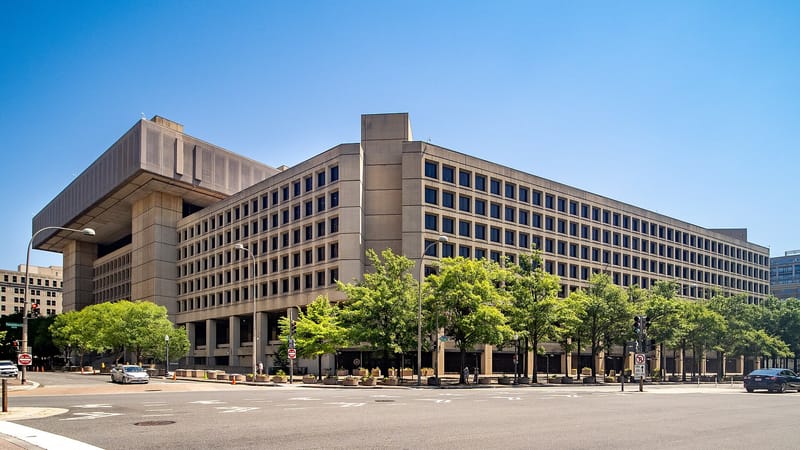
FBI says North Korean hackers stole over $400 million via fake video calls
US authorities say a scheme the FBI calls "FaceStealer" used hijacked accounts, pre-recorded videos of known contacts and malware links to steal cryptocurrency over about 18 months.
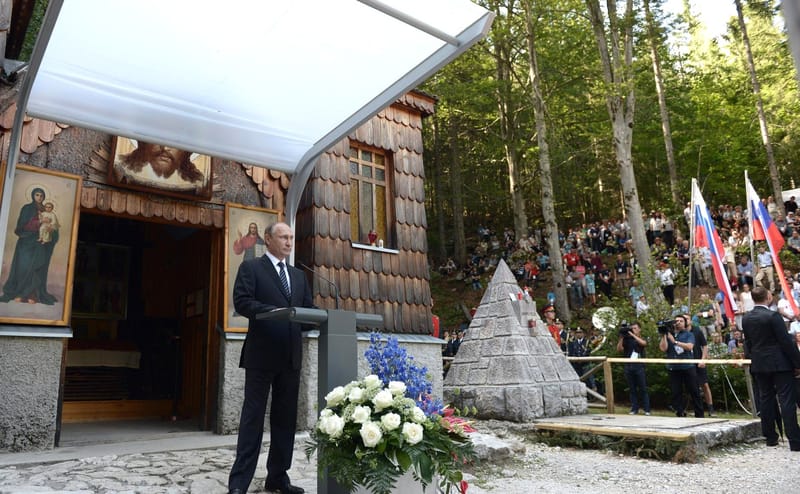
US envoys meet Putin in Moscow; Kushner says Europeans will join next talks
US envoys Steve Witkoff and Jared Kushner met Vladimir Putin after two days of Russia-Ukraine talks in Abu Dhabi, and Kushner and Volodymyr Zelensky said Europeans would join the next round, which the Kremlin has not confirmed.
Comments