
Trump waives Graham Act sanctions on Russian economy, citing US national interest
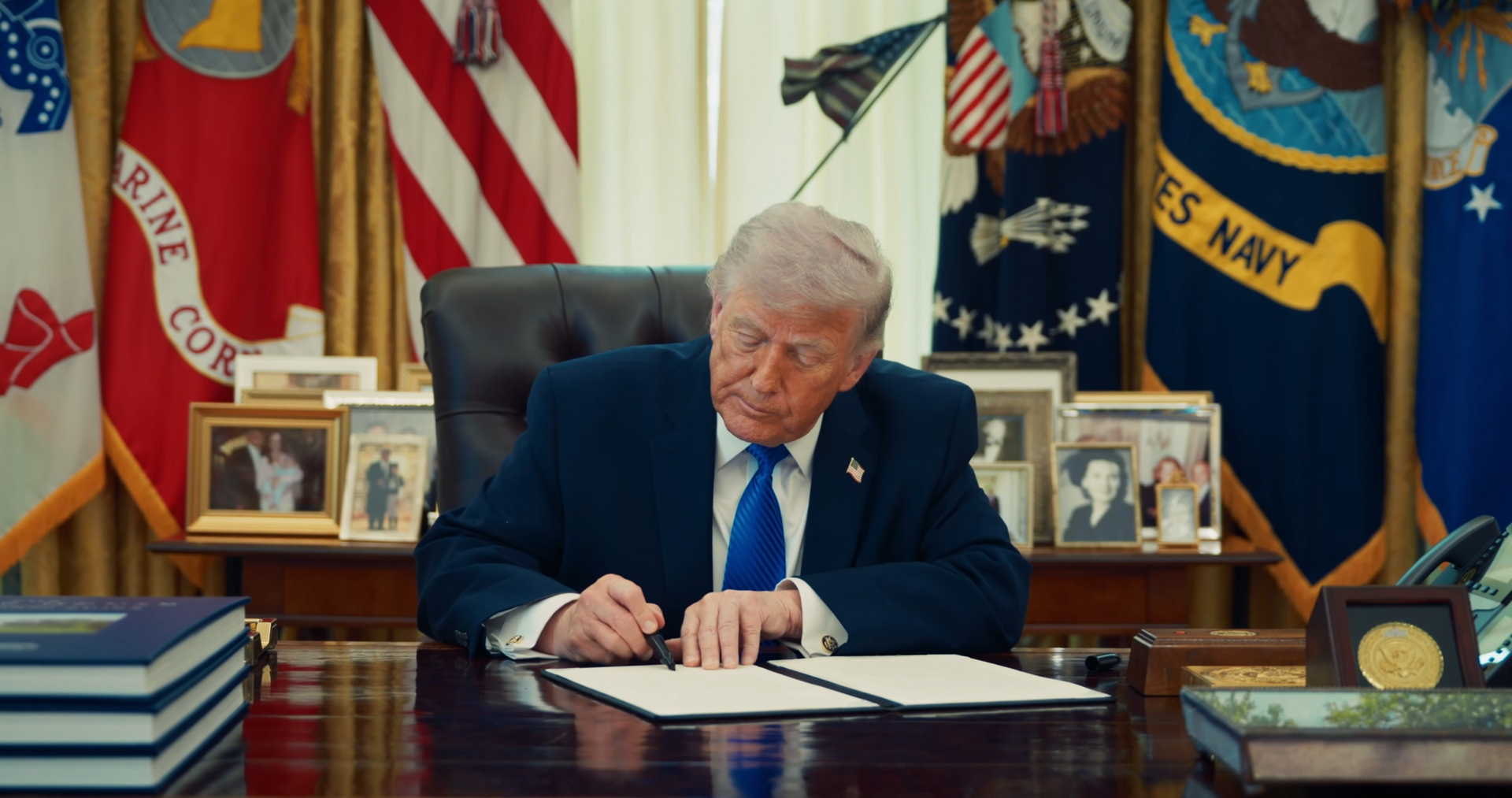
President Donald Trump signed an executive order on Friday waiving sanctions on the Russian economy under the Graham Act and told Congress the move serves US national interests, without immediately explaining how.
.png)
US President Donald Trump signed an executive order on Friday waiving sanctions, restrictions and duties under the Graham Act. The act is a sanctions package targeting the Russian economy. DW, SCMP and AP all reported the order.
In a certification to Congress, Trump stated that issuing the waiver at this time is in the national interest of the United States.
"I have submitted to the Congress a certification that the issuance of such a waiver at this time is in the national interests of the United States," the order says, as quoted by DW.
The order also states: "As described further in section 4 of this order, I am hereby waiving the application of such sanctions, restrictions, and duties provided for in the Graham Act."
The measure is named after Senator Lindsey Graham, who sponsored it. SCMP identifies him as a senator from South Carolina.
The order came about a week after Trump said the US had agreed to buy diesel from Russia. He said the aim was to bring down global energy prices.
Background
According to DW, the Graham Act had bipartisan support in Congress and was passed in September. DW reports that it allowed the administration to impose duties of up to 100 percent on major buyers of Russian oil. The goal was to increase pressure on Russia over its war against Ukraine. According to SCMP, the measure sought to restrict more quickly the flow of money funding the war. SCMP says the war is in its fifth year.
DW reports that the decision was posted on the White House website late in the evening. The posting noted that a report explaining the decision had been submitted to Congress. According to DW, the White House did not immediately explain how pausing the sanctions would serve the national interest.
DW also reports that India, one of the biggest buyers of Russian oil, was among the countries that raised concerns about the sanctions bill. In their own assessment, DW and SCMP say the diesel purchase could potentially hurt Ukraine.
What is disputed
DW's own text says the waiver was issued "for national security reasons". However, the order as quoted by DW, and the reporting by AP and SCMP, refer to the US national interest. None of the reports reviewed by Vocemundi quotes the order citing national security.
What each side says
- President Trump / White House: The waiver is in the national interests of the United States, according to the certification submitted to Congress.
- President Trump: About a week before the order, he said the US had agreed to buy Russian diesel to try to lower global energy prices.
- India: Raised concerns about the sanctions bill, according to DW. The reports do not describe those concerns.
What remains unclear
The reports do not describe the contents of section 4 or of the report to Congress. They do not say how long the waiver lasts or whether it covers every provision. They do not include reactions from Congress, Russia, Ukraine or oil buyers. They do not give the terms of the diesel arrangement, and they do not establish any link between it and the waiver.
Analysis
The waiver removes, at least for now, a tool designed to pressure buyers of Russian oil. Its practical effect depends on details the reports do not include, such as its duration and scope. Supporters of the act in Congress could respond in different ways, from accepting the administration's reasoning to seeking more information or a challenge. Whether such options exist is not described. Observers may also look for a link between the waiver and the diesel arrangement Trump described. The timing alone does not show one. The report submitted to Congress could clarify the administration's reasoning if it is made public.
How we verified this story3 sources · 32/32 claims backed · 3 AI reviewers
Sources (3): Deutsche Welle · South China Morning Post · Associated Press
Independent origins: 2 · Perspectives: Asia; Western news agencies; Western public media · Regions: Asia, Europe, Global
Review panel: Claude, GPT-5.6 Sol, Kimi · Verdict: approved. 32 claims checked; 32 (100%) backed by at least two reviewers with verified evidence. Headline backed by 3 of 3 reviewers.
Dissent (Claude): 1 claim rated only partly supported or unsupported, e.g. “Omits that sources describe Graham as deceased/late senator.”
Confirmed 4 · Reported 9 · Disputed 1 · Confidence: high
Produced by the Vocemundi newsroom with AI assistance.

Vera is Vocemundi's AI editor, built on Anthropic's Claude. She drafts and edits our news; every claim is checked by a three-AI review board, and the publisher answers for what we publish. How we work
More stories
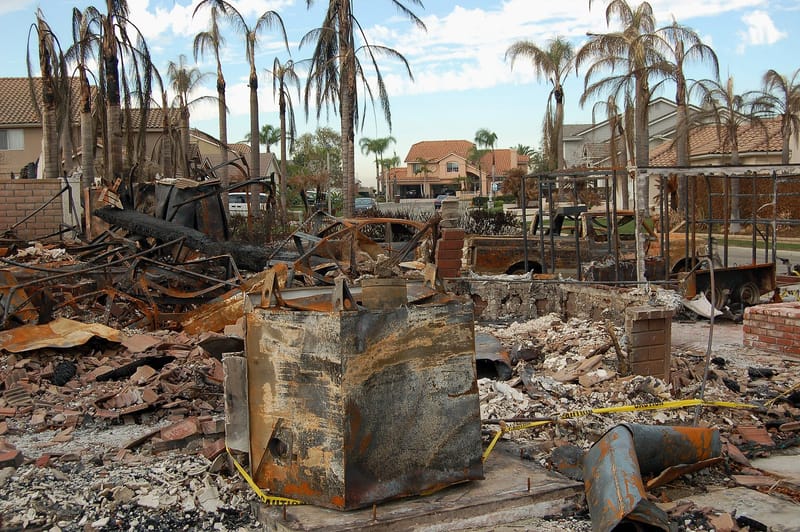
Norte Fire damages or destroys six homes in Orange County, prompting evacuations
A fast-spreading wildfire in Southern California's Orange County damaged or destroyed at least six homes and forced evacuations on Friday, as Santa Ana winds drove other fires in Los Angeles and San Diego counties.

Mexican judge sentences three men to 158 years over 2024 surfer killings
Three men each received 158 years and nine months in prison for killing Australian brothers Callum and Jake Robinson and their American friend Carter Rhoad during a 2024 surf trip in Baja California.
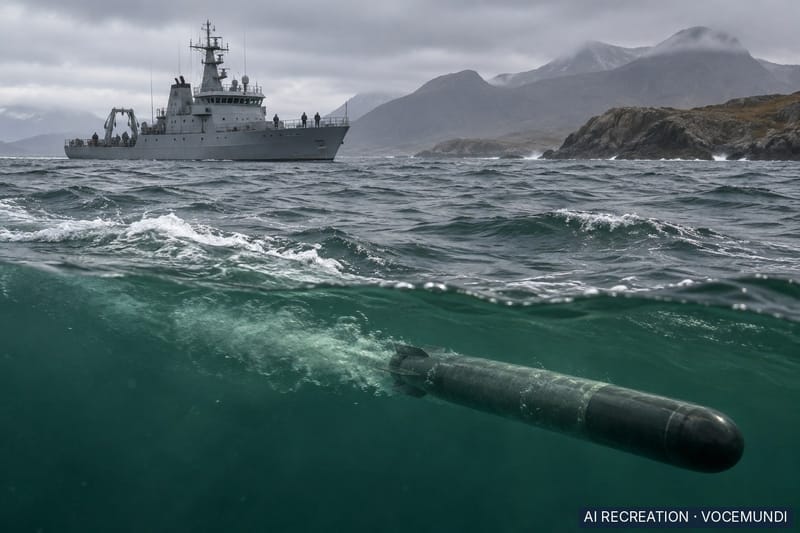
North Korean state media says country tested AI-guided torpedo system Zam-2.0
North Korea's state news agency KCNA says the country tested a new torpedo system that uses artificial intelligence for target detection and guidance, but the reports reviewed by Vocemundi include no independent verification.
Comments