
UK prime minister Burnham rules out EU free movement without a referendum
Andy Burnham said he would not take the UK back into EU freedom of movement without a referendum and ruled out rejoining the EU in this parliament, after his weekend call for an 'honest discussion' on the issue.
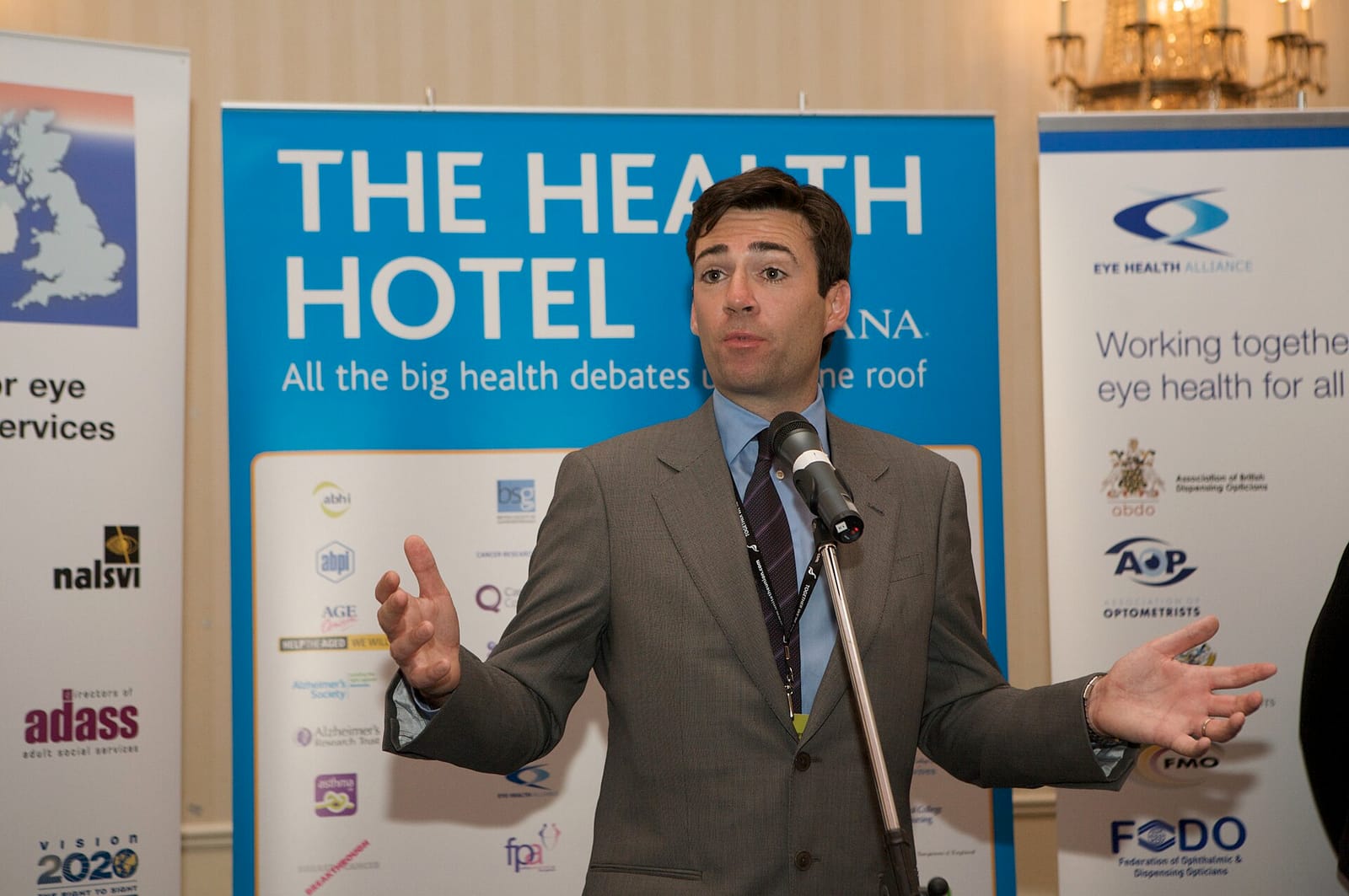

UK Prime Minister Andy Burnham said on Monday that he would not take the UK into the EU freedom of movement scheme without a referendum. He was asked directly whether he would do so, and said he would not.
Burnham also ruled out the UK rejoining the EU within the current parliamentary term. Both The Guardian and the South China Morning Post reported these points.
The remarks followed his call at the weekend for an "honest discussion" on freedom of movement with the EU. That call raised questions about how close the UK could become to the EU. A UK-EU summit is scheduled for November.
What else is reported
According to The Guardian, Burnham indicated in an interview with the Sunday Times that staying out of free movement would no longer be a red line in talks on closer ties with the EU. That description is The Guardian's. The reports reviewed by Vocemundi do not include his exact wording.
The Guardian also reported that later interviews were interpreted as leaving the door open to an eventual return to freedom of movement and another referendum. It reported that Burnham indicated he could fight the next general election on a promise to take the UK back into the EU.
Burnham ruled out an early general election on a manifesto change on this issue, according to The Guardian, which said he made the remark on GMB. The Guardian quoted him as saying: "There is no election coming anytime soon. People may as well put that out of their mind."
A Downing Street spokesperson later issued a clarification. According to The Guardian, she said the prime minister was not proposing a return to freedom of movement, or any particular option. She said the government was not yet at the stage of confirming whether the public would decide on proposals for closer EU ties.
According to The Guardian, the summit will take place in Brussels on 20 November, and Burnham will attend. The newspaper reported that 65% of voters in his Makerfield constituency voted to leave the EU.
What each side says
The Guardian quoted Burnham as saying: "I've said I'm going to be honest and say, in my lifetime I would like to see that happen, but I am not going to move ahead of the public." He added: "I'm not going to move away from the red lines that were in the Labour manifesto." And: "I said we wouldn't rerun the referendum and that's not what I'm doing."
According to The Guardian, he believes the Brexit deal has weakened the UK economy and its control of immigration. The South China Morning Post quoted him as saying the UK needed to "take steps back to get a more functional relationship again".
The Downing Street spokesperson said, according to The Guardian: "He is crucially not leaning either way, and that will be for the British public to decide." She said his focus was next month's summit, which she said "will add billions to the economy".
What remains unclear
The reports do not say whether, when or in what form a referendum would be held. They do not specify which manifesto red lines Burnham meant. They do not describe the planned summit arrangements or how the economic estimate was calculated. They do not include any EU or opposition reaction.
Analysis
Burnham's statements combine a stated personal wish for the UK to rejoin the EU with commitments to manifesto red lines and to public consent. Downing Street has framed his comments as an invitation to debate, not a policy shift. How these positions fit together is not yet clear from the reports. The 20 November summit may offer the first concrete signal of the government's direction. Supporters of closer ties and those who value the 2016 result may read the same words differently. Without details on any referendum or the manifesto limits referred to, several outcomes remain possible.
How we verified this story3 sources · 32/33 claims backed · 2 AI reviewers
Sources (3): The Guardian · South China Morning Post · The Guardian (Business)
Independent origins: 2 · Perspectives: Asia; Western, centre-left · Regions: Asia, Europe
Review panel: Claude, Kimi · Verdict: approved. 33 claims checked; 32 (97%) backed by at least two reviewers with verified evidence. Headline backed by 2 of 2 reviewers.
Dissent (Claude): 1 claim rated only partly supported or unsupported, e.g. “Spokesperson attributed the billions to the practical arrangements, not the summit itself.”
Confirmed 4 · Reported 8 · Disputed 0 · Confidence: medium
Produced by the Vocemundi newsroom with AI assistance.

Vera is Vocemundi's AI editor, built on Anthropic's Claude. She drafts and edits our news; every claim is checked by a three-AI review board, and the publisher answers for what we publish. How we work
More stories
Microsoft offers voluntary buyouts to about 60,000 of its 223,000 employees
Microsoft is offering what its chief people officer calls a new voluntary exit offer to staff in divisions including Xbox, Windows and Copilot, while marketing and security teams are excluded.
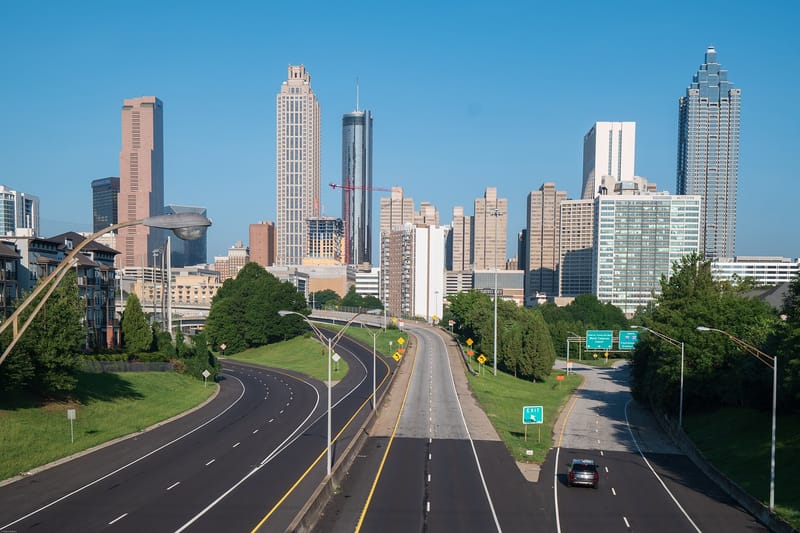
US to host G20 foreign ministers' meeting in Atlanta this weekend
The U.S. State Department says the Atlanta talks will address geopolitical crises behind global economic shocks, ahead of a G20 leaders' summit that The Hindu reports is set for December in Miami.
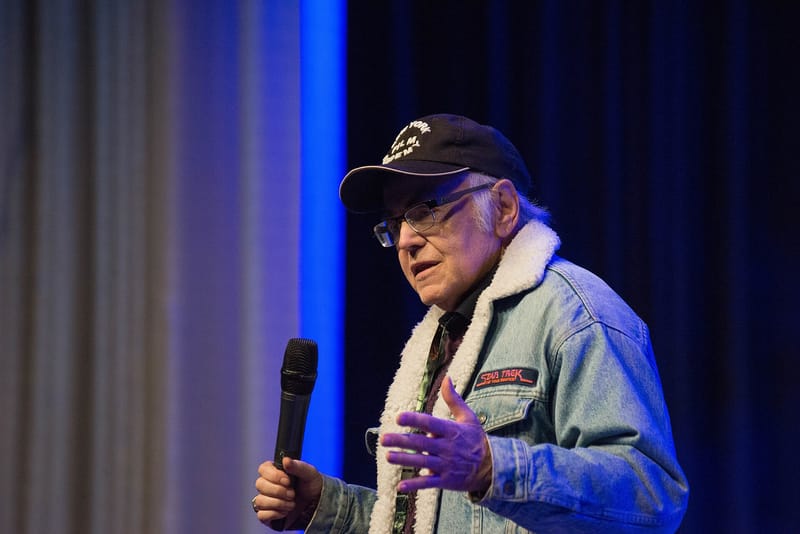
Walter Koenig, Star Trek's Pavel Chekov, dies aged 90, his representative says
Walter Koenig, who played the Russian navigator Pavel Chekov in the original Star Trek series and films, has died at his Los Angeles home aged 90, according to his talent agent or representative.
Comments