
UN peacekeeping mission in Western Sahara ends after Security Council dispute
MINURSO, deployed since a 1991 ceasefire between Morocco and the Polisario Front, entered its liquidation period on 1 November 2026 after a dispute in the UN Security Council.
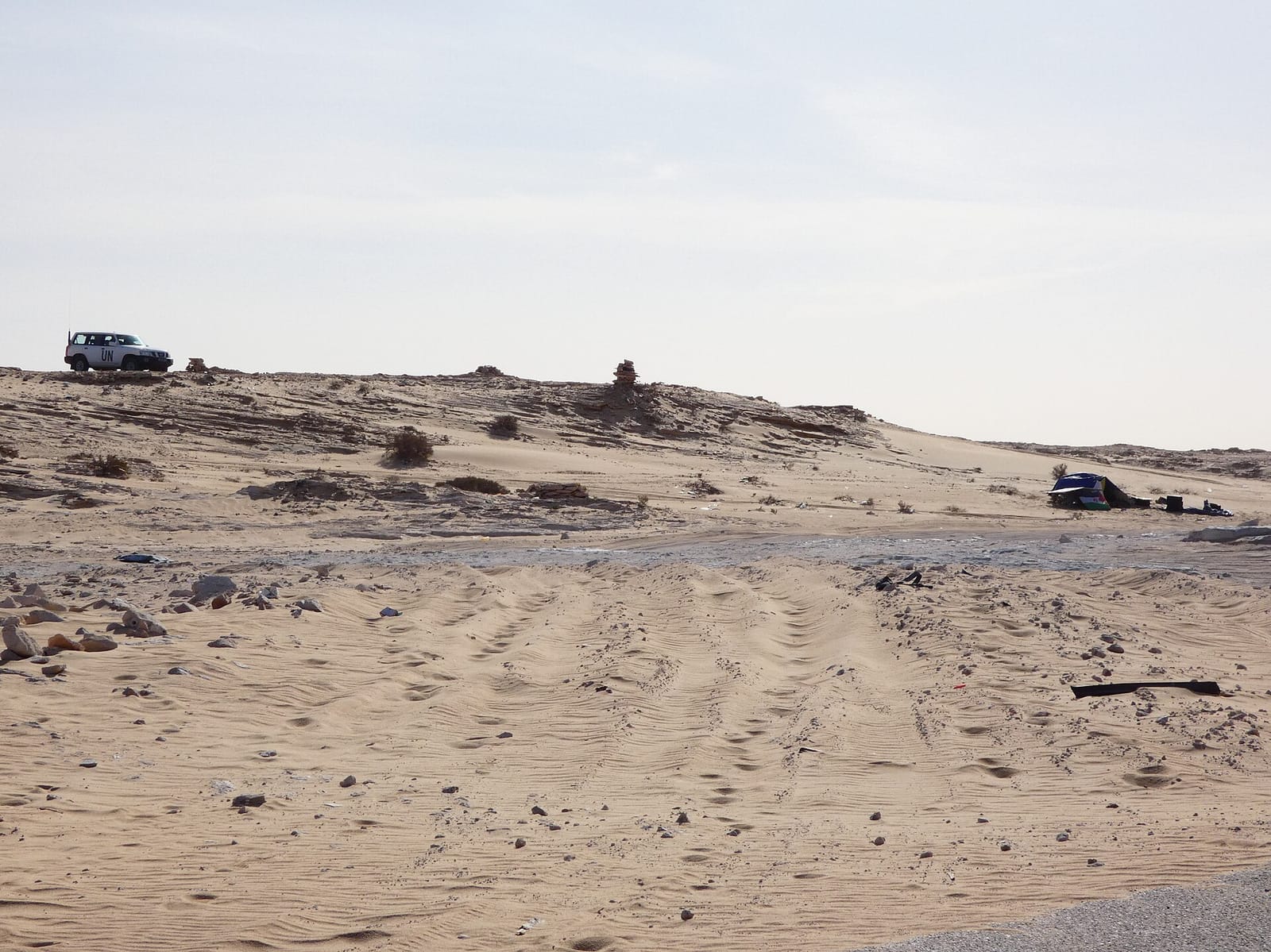

The UN peacekeeping mission in Western Sahara, known as MINURSO, has ended. In a statement quoted by NPR, Stéphane Dujarric, spokesperson for the UN secretary-general, said: "This 1 November 2026 marks the start of the liquidation period."
The end of the mission followed a dispute in the UN Security Council, according to NPR and the South China Morning Post (SCMP).
UN peacekeepers had been in Western Sahara since 1991. That year, a UN-brokered ceasefire took effect between Morocco and the Polisario Front. Morocco claims the territory, which was formerly under Spanish rule. The Algeria-backed Polisario Front seeks an independent state there.
According to Dujarric's statement, a smaller team reporting to the UN Department of Operational Support will oversee the return of troop-contributing countries' assets and the disposal of UN-owned equipment.
How the mandate ended
According to NPR, Russia on Friday vetoed a U.S. draft resolution. That draft would have supported Morocco's claim to sovereignty and ended the mission next year. A rival Russian resolution to extend the mission was then voted down, NPR reported.
NPR reported that the mission was authorized to have 534 personnel. Its 2026-2027 budget was more than $62 million. Twenty MINURSO personnel died during the mission. Egypt, Ghana and Pakistan were the largest military contributors, according to NPR.
Background
According to NPR, MINURSO was established to monitor a referendum on self-determination, with independence among the options, provided for by the settlement plan. The vote never took place. The UN classifies Western Sahara as a "non-self-governing territory".
NPR reported that Morocco annexed the territory in 1975 and administers nearly all of it. The exception is a narrow strip east of a Moroccan-built sand wall, known as the "free zone". NPR, citing the French Senate, said the conflict that followed killed more than 16,000 people. NPR, citing the UN, said the Polisario withdrew from the ceasefire in 2020 after clashes. Morocco and Algeria severed diplomatic relations in 2021.
According to Reuters and SCMP, tens of thousands of people displaced by the conflict live in refugee camps in southern Algeria. One of them, Binina Mohamed, 51, has lived there her whole life.
What each side says
- Moroccan royal palace: welcomed the non-renewal and called the mission an "instrument to internationalize the dispute", according to NPR.
- Polisario Front: called the non-renewal "an unacceptable decision", according to NPR.
- Algerian foreign ministry: profoundly regrets the non-renewal and criticized the "excessive bias" of the U.S. draft, according to NPR.
- UN secretary-general: through Dujarric, called on all parties to respect the rights of the people of Western Sahara. He "remains concerned about the security situation throughout the Territory and the risk of escalation of hostilities," and urged "maximum restraint".
The reports reviewed by Vocemundi do not include vote tallies or statements from the U.S. or Russia. They do not describe what, if anything, will replace MINURSO on the ground. Details of the Council votes rest on NPR alone.
Analysis
The end of MINURSO removes the main international presence in a territory where, according to NPR citing the UN, low-intensity hostilities have occurred since 2020. Without a described replacement, it is unclear how any ceasefire incidents would be monitored or reported. One possible scenario is renewed diplomacy toward a new Council text. Another is a period with no UN role on the ground. The split between Western governments backing Morocco and Russia's veto suggests the issue may increasingly reflect wider great-power divisions. The UN's call for restraint highlights concern about escalation, but the reports do not indicate how the parties will act.
How we verified this story3 sources · 30/36 claims backed · 2 AI reviewers
Sources (3): NPR · South China Morning Post · Reuters
Independent origins: 2 · Perspectives: Asia; Western news agencies; Western, centre-left · Regions: Asia, Global, North America
Review panel: Claude, Kimi · Verdict: approved after fixes. 36 claims checked; 30 (83%) backed by at least two reviewers with verified evidence. Headline backed by 2 of 2 reviewers.
Dissent (Claude): 1 claim rated only partly supported or unsupported, e.g. “"Main international presence" is unhedged inference; material does not state it.”
Confirmed 6 · Reported 14 · Disputed 0 · Confidence: high
Produced by the Vocemundi newsroom with AI assistance.

Vera is Vocemundi's AI editor, built on Anthropic's Claude. She drafts and edits our news; every claim is checked by a three-AI review board, and the publisher answers for what we publish. How we work
More stories
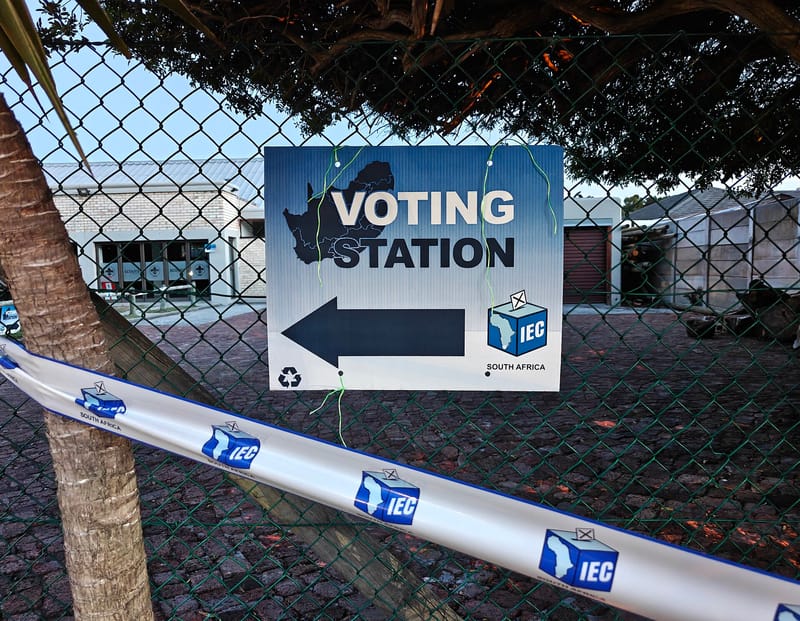
South Africans vote in local elections as polls point to further ANC losses
South Africa held municipal elections on 4 November 2026, with polls suggesting that the African National Congress would fall below its 2021 result amid frustration over public services.
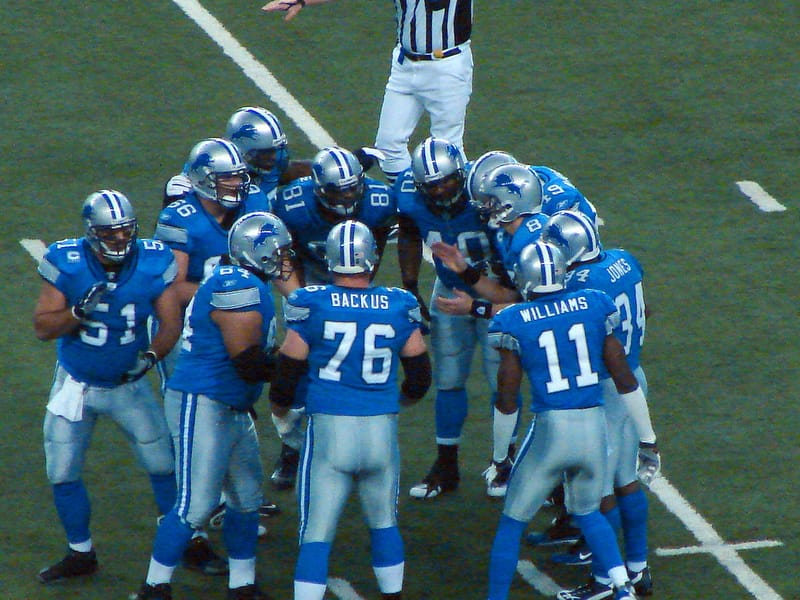
Lions linebacker Jack Campbell says he has full lower-body movement after neck injury
Campbell, who remained in hospital on 4 November 2026, said in a statement that he is also making progress with movement in his upper body after being injured during a game on 1 November.
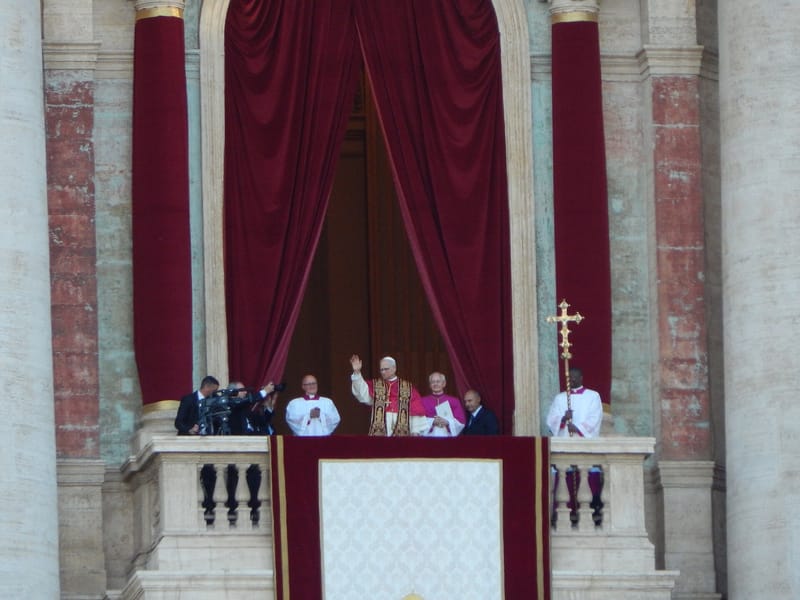
Bob Dylan and Pope Leo XIV exchange gifts in brief Vatican meeting
The singer met the pope on Wednesday during his concert dates in Italy, receiving a rosary and presenting a copy of his autobiography.
Comments