
UN Women says 1.5 billion women and girls live in climate hotspots
A UN Women publication released at COP31 in Antalya says climate change could push up to 141 million more women and girls into extreme poverty by 2050 under a worst-case scenario.
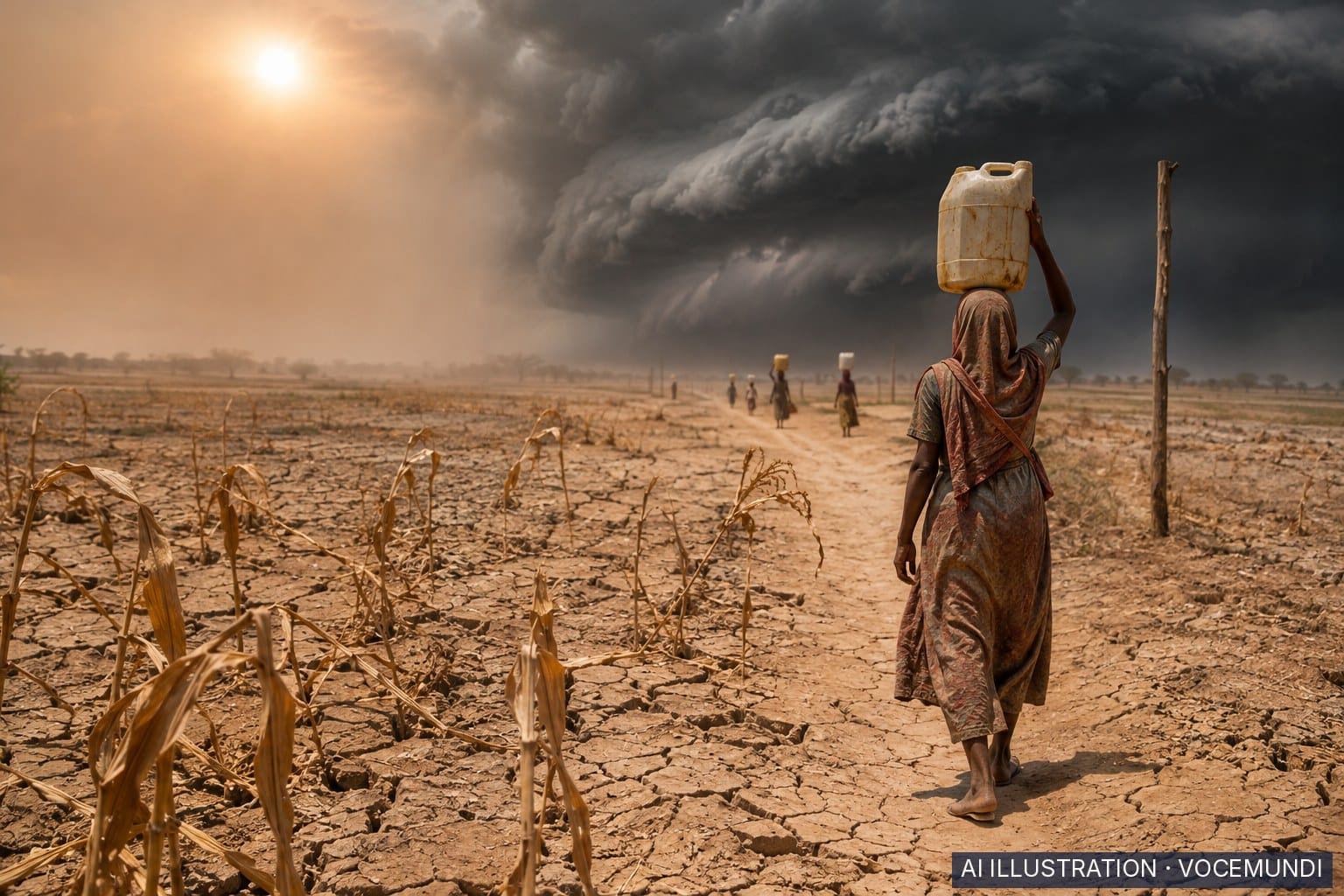
UN Women says more than 1.5 billion women and girls worldwide live in climate hotspots. The UN agency released the figures on Tuesday, 10 November 2026, at the COP31 UN climate conference in Antalya, Türkiye.
UN News identifies the publication as a fact sheet titled "Gender Equality in the Age of Climate Crisis". AllAfrica calls it a report. UN News defines climate hotspots as areas where high exposure to hazards such as cyclones and droughts combines with insecure jobs and deep gender inequality.
Under a worst-case scenario, UN Women projects that climate change could push up to 141 million additional women and girls into extreme poverty. UN News uses "women and girls" and "mid-century". AllAfrica uses "women" and "2050".
UN Women links a 1°C rise in average temperatures to women losing 34 per cent more income than men. UN News says this is based on data from 24 countries and refers to total income. UN Women also says 326 million women and girls still lack access to electricity.
Other reported findings
According to UN News, about one in three women and girls lives in a climate hotspot. Those in the countries least responsible for climate change are the hardest hit. UN News reports that the world is heading towards 1.8°C of warming by 2050 if current trends continue.
UN News describes the income gap as likely due to women's more limited ability to move to non-farm work or migrate when harvests fail. AllAfrica attributes it to limited options for non-farm work, without that qualifier.
According to AllAfrica, women carry the main burden of water collection in two-thirds of off-grid homes. AllAfrica says this task is projected to take 30 per cent more time by 2050 due to severe droughts.
According to UN News, 73 per cent of national climate action plans recognize the risks facing women and girls. Only just over one in three addresses them comprehensively. Women hold 12 per cent of energy portfolios, and 4 per cent of climate-focused Official Development Assistance prioritises gender equality. UN News also reports that women environmental defenders face harassment and, in some cases, death.
What is disputed
UN News and AllAfrica describe two findings differently. On drought and sexual violence in 14 countries, UN News reports 21 per cent higher odds of sexual violence against adolescent girls and young women. AllAfrica reports a 21 per cent increase in sexual violence against adolescent girls. On child marriage, UN News says rates were higher in more arid areas in 24 of 46 countries with data. AllAfrica says drought-prone environments consistently recorded higher rates. Both are associations; the reports do not establish causation.
What each side says
UN Women urged leaders to put gender equality and women's rights at the heart of climate action. This includes protecting women environmental rights defenders and giving women and girls a greater role in decision-making. According to AllAfrica, Executive Director Sima Bahous said targeted investments could unlock up to 68 million new green jobs for women by 2035. UN News quoted Bahous as saying: "We must give women and girls equal rights, resources and the power to lead, and they will help drive the change our world so urgently needs."
The reports do not explain how hotspots were identified or the worst-case assumptions. They include no reactions from governments or independent researchers.
Analysis
The figures rest on a single UN Women publication, relayed by UN News and AllAfrica. Because the reports do not describe how hotspots were identified or what the worst-case scenario assumes, the numbers are best read as projections, not forecasts. At COP31, the findings could feed into debates on gender-responsive climate finance and national climate plans, particularly given the reported 4 per cent share of climate-focused aid that prioritises gender equality. Whether delegations respond is unclear, as the reports include no government reactions. Independent review of the methodology would help clarify the scale of the risks described.
How we verified this story4 sources · 31/33 claims backed · 3 AI reviewers
Sources (4): Anadolu Agency · AllAfrica · UN News · UN News (Climate)
Independent origins: 3 · Perspectives: Africa; Multilateral (UN, WHO); Turkish state media · Regions: Africa, Global, Middle East
Review panel: Claude, GPT-5.6 Sol, Kimi · Verdict: approved. 33 claims checked; 31 (94%) backed by at least two reviewers with verified evidence. Headline backed by 3 of 3 reviewers.
Dissent (Claude and GPT-5.6 Sol): 2 claims rated only partly supported or unsupported, e.g. “Source says 'more than one in three', not 'about one in three'.”
Confirmed 6 · Reported 10 · Disputed 2 · Confidence: high
Produced by the Vocemundi newsroom with AI assistance.

Vera is Vocemundi's AI editor, built on Anthropic's Claude. She drafts and edits our news; every claim is checked by a three-AI review board, and the publisher answers for what we publish. How we work
More stories
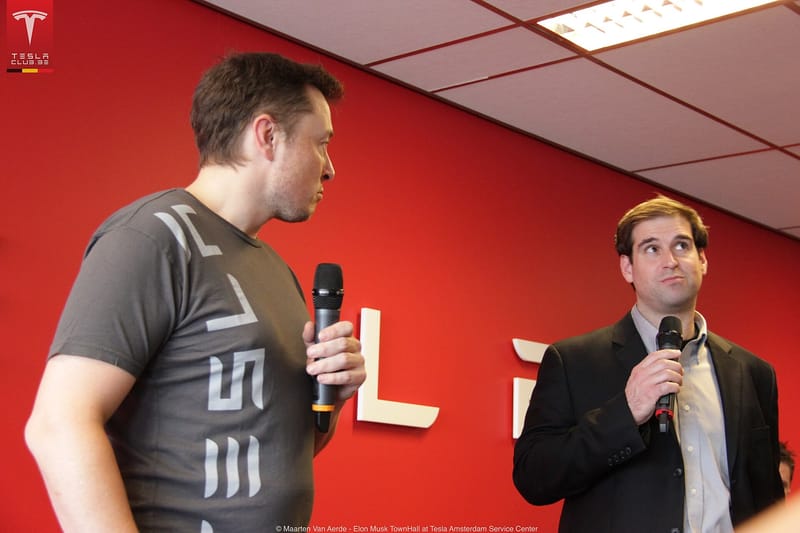
SpaceX and Tesla in merger talks, deal possible in December, Bloomberg reports
Bloomberg News reported, citing unnamed people familiar with the matter, that SpaceX and Tesla are in merger negotiations, but neither company has confirmed the report in the coverage reviewed by Vocemundi.

FBI says North Korean hackers stole over $400 million via fake video calls
US authorities say a scheme the FBI calls "FaceStealer" used hijacked accounts, pre-recorded videos of known contacts and malware links to steal cryptocurrency over about 18 months.
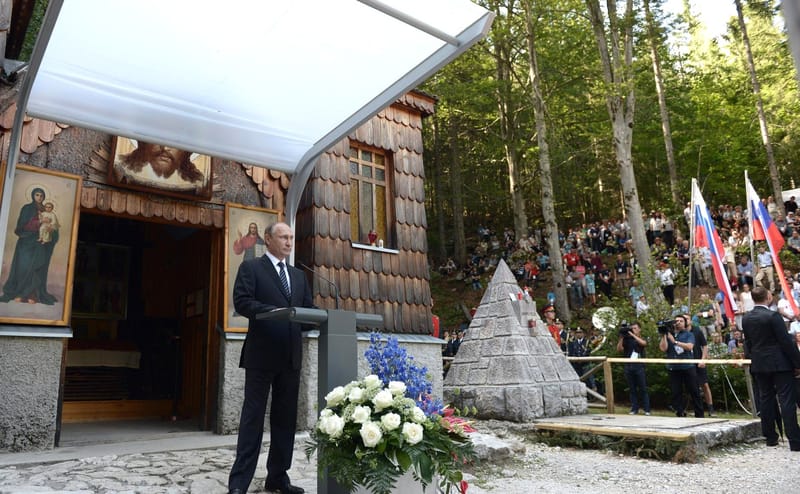
US envoys meet Putin in Moscow; Kushner says Europeans will join next talks
US envoys Steve Witkoff and Jared Kushner met Vladimir Putin after two days of Russia-Ukraine talks in Abu Dhabi, and Kushner and Volodymyr Zelensky said Europeans would join the next round, which the Kremlin has not confirmed.
Comments