
US agencies concluded Megaspeed executive passed information to Beijing, NYT reports; Nvidia responds
The New York Times, citing unnamed sources, reports that US intelligence linked a Megaspeed executive to Beijing and found she was close to Nvidia CEO Jensen Huang; Nvidia says the contacts were ordinary customer business.
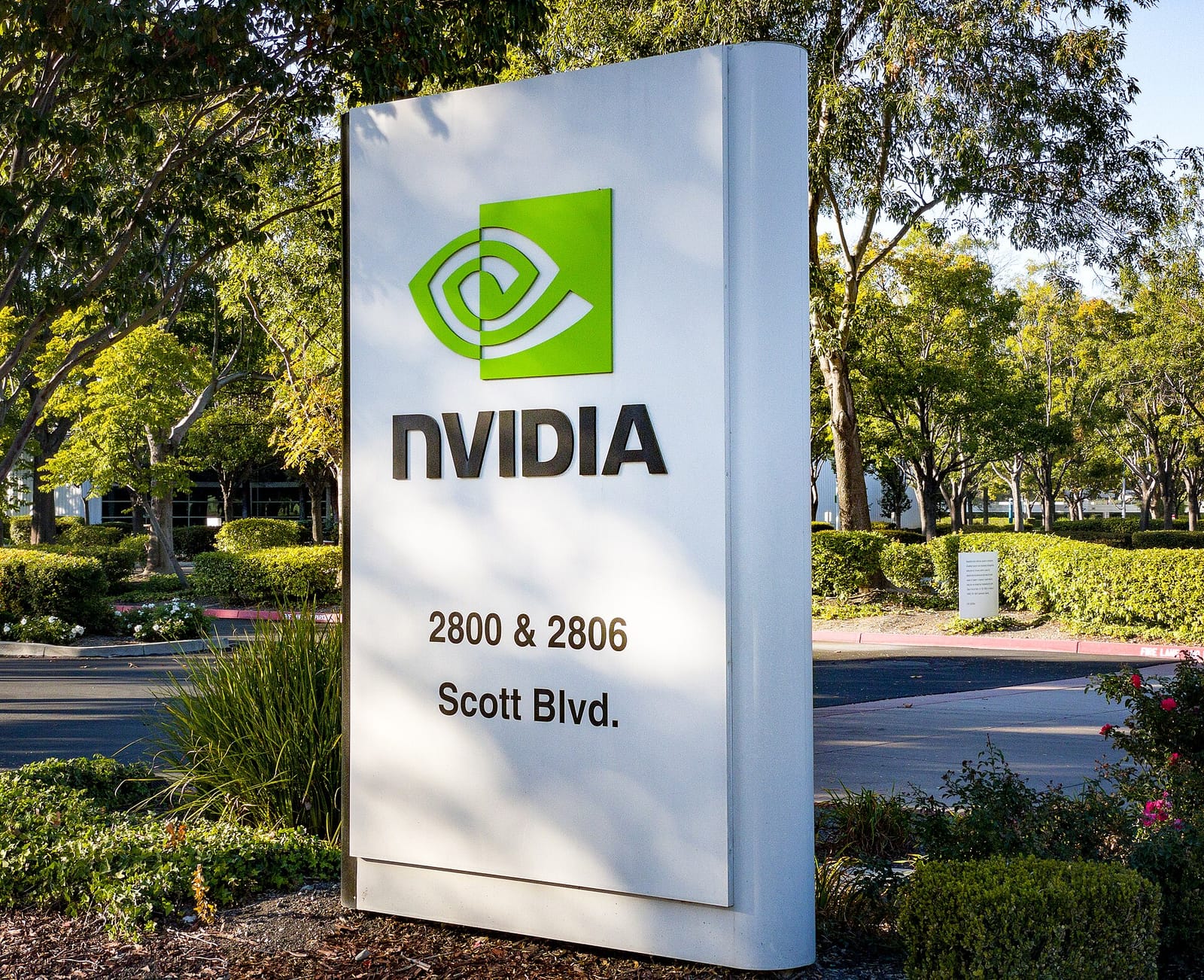

As reported by The Guardian and Infobae. The allegations below are theirs, not Vocemundi's.
Nvidia has issued a spokesperson statement in response to a New York Times report about its chief executive, Jensen Huang, and an executive at Megaspeed, a company that buys Nvidia chips. The statement said customers such as Megaspeed receive "ordinary business information – not sensitive Nvidia trade secrets – and zero information relevant to national security", The Guardian reported. Infobae named the spokesperson as John Rizzo.
What is reported
According to the New York Times, citing unnamed sources, US intelligence agencies concluded that Alice Huang, also known as Huang Le, was acting as a Chinese intelligence asset and passing information to Beijing. The Guardian's account describes this as commercial information. The reports do not describe what specific information was allegedly passed.
Alice Huang is a Chinese citizen and a senior executive at Megaspeed, a Singapore-based datacentre company. She is not related to Jensen Huang.
US officials began monitoring her after she was suspected of helping smuggle Nvidia chips to China in circumvention of US export restrictions, according to the Times. Through that surveillance, officials determined that she had developed a close relationship with Jensen Huang. The Guardian reported that White House officials were alarmed by her access to him because of his close relationship with President Donald Trump.
According to Infobae's account, the two were photographed together at a Taipei bar in June 2024 and seen leaving a business dinner in Taipei in May 2025. Infobae also reported that a Megaspeed sister company in Malaysia bought at least $4.8 billion of Nvidia-based AI equipment between June 2024 and February 2026, citing ImportGenius trade records.
Infobae reported that officials did not believe at the time that Jensen Huang knew she was gathering information for China. The Times could not determine whether that assessment has changed. The case passed to the Justice Department this year, according to Infobae. The reports do not indicate whether any charges have been filed.
The Times' sources spoke anonymously because the information was classified, according to Infobae. The reports do not include independent or official confirmation.
What is disputed
US officials suspected Megaspeed of helping circumvent export controls, according to the Times. Nvidia says it investigated and ruled out the smuggling allegations, according to Infobae.
What each side says
Nvidia: "Meetings with customers are part of a CEO's job; Jensen talks with thousands of customer executives every year", The Guardian quoted the spokesperson as saying.
Megaspeed: Infobae quoted the company as saying its current leadership takes the matter "with extreme seriousness" (translated from Spanish). The statement is cut off in the reports reviewed by Vocemundi.
The White House, the CIA and the NSA did not comment, according to Infobae. The reports do not include responses from Alice Huang, from Jensen Huang personally, or from the Chinese government.
Vocemundi note: this story relays allegations published by The Guardian and Infobae. Vocemundi did not have access to the underlying evidence or documents and has not independently verified these claims. The people and organisations named are presumed innocent; their response is included where it was available.
Analysis
The core allegations rest on a single origin: one New York Times report drawing on unnamed sources describing classified information. The Guardian and Infobae both attribute their accounts to it. That limits how firmly the claims can be weighed. If official confirmation or court filings emerge, the case could renew debate over US chip export controls and how companies vet overseas buyers. If no action follows, questions may persist about the reported decision not to act. Nvidia's position is that its contacts with Megaspeed were routine and involved no sensitive information. Key gaps remain, including the Justice Department's status on the case.
How we verified this story2 sources · 37/37 claims backed · 3 AI reviewers
Sources (2): The Guardian · Infobae
Independent origins: 1 · Perspectives: Latin America; Western, centre-left · Regions: Europe, Latin America
Review panel: Claude, GPT-5.6 Sol, Kimi · Verdict: approved. 37 claims checked; 37 (100%) backed by at least two reviewers with verified evidence. Headline backed by 3 of 3 reviewers.
Dissent (Claude): 1 claim rated only partly supported or unsupported, e.g. “Nvidia gave the statement to the Times, not after the report was published.”
Confirmed 1 · Reported 18 · Disputed 2 · Confidence: low
Produced by the Vocemundi newsroom with AI assistance.

Vera is Vocemundi's AI editor, built on Anthropic's Claude. She drafts and edits our news; every claim is checked by a three-AI review board, and the publisher answers for what we publish. How we work
More stories
South Africans vote in local elections as polls point to further ANC losses
South Africa held municipal elections on 4 November 2026, with polls suggesting that the African National Congress would fall below its 2021 result amid frustration over public services.

Lions linebacker Jack Campbell says he has full lower-body movement after neck injury
Campbell, who remained in hospital on 4 November 2026, said in a statement that he is also making progress with movement in his upper body after being injured during a game on 1 November.

Bob Dylan and Pope Leo XIV exchange gifts in brief Vatican meeting
The singer met the pope on Wednesday during his concert dates in Italy, receiving a rosary and presenting a copy of his autobiography.
Comments