
US approves $2.1bn sale of 500 Patriot missiles to Ukraine with European, Canadian funding
The US State Department has approved a proposed $2.1 billion sale of 500 Patriot PAC-3 interceptors to Ukraine, paid for by European and Canadian funds, while President Volodymyr Zelensky says Ukraine needs the missiles immediately.
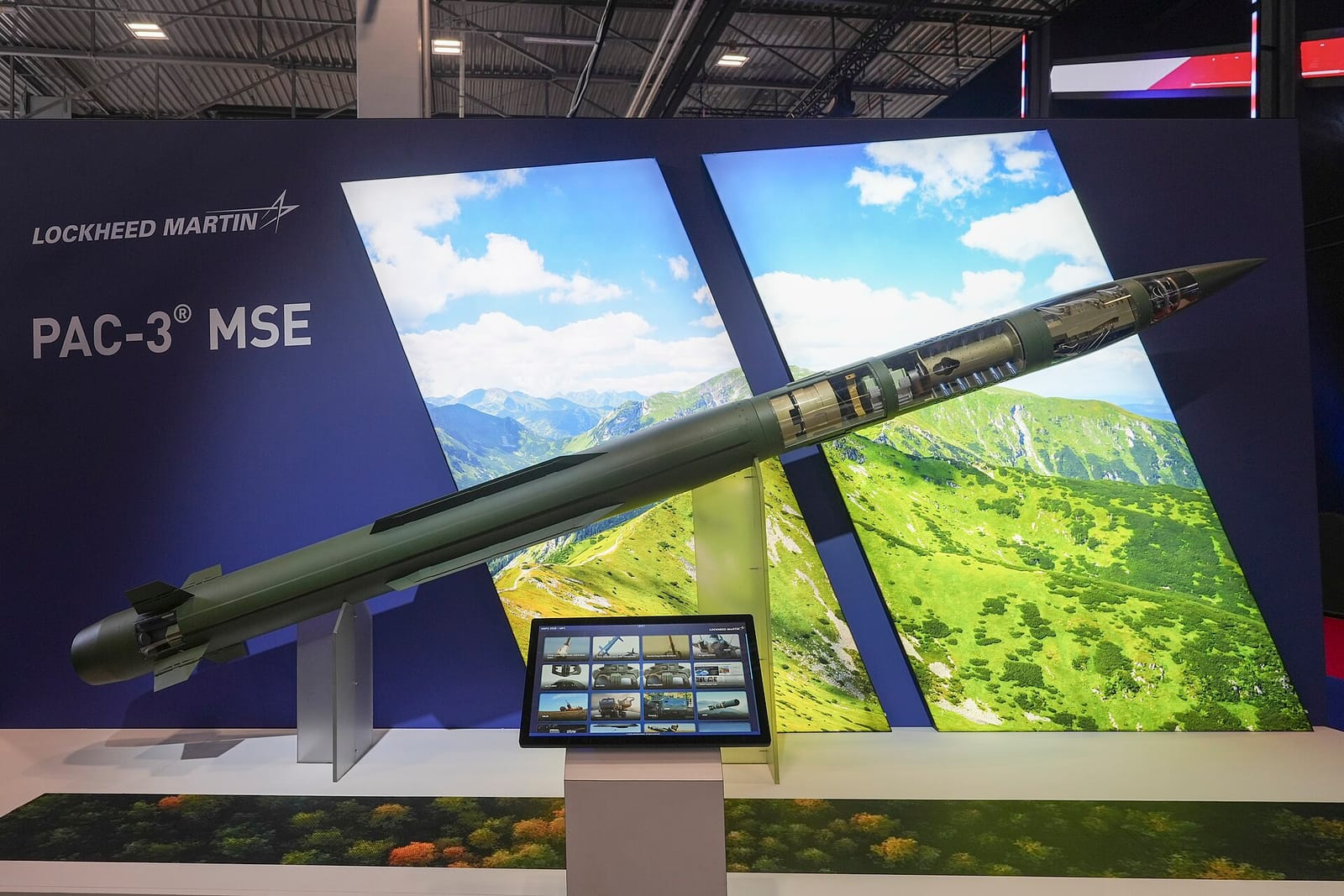

The US State Department has approved a proposed sale of 500 Patriot PAC-3 interceptor missiles to Ukraine. The estimated value is $2.1 billion. BBC News and Reuters reported the announcement, made on Friday, 30 October 2026.
BBC News quoted the State Department statement as saying: "Ukraine will pay for this purchase with donations from Canada, Germany, and Norway via the JUMPSTART program and national funds, financed by the European Union's Ukraine Support Loan." The statement added that "no US funds are involved in this sale". It named the US company Lockheed Martin as the principal contractor.
Questions over delivery
According to BBC News, the order is understood to be for newly built missiles rather than existing stock. BBC News said this makes rapid delivery unlikely. It did not name the source of this understanding. BBC News also reported that the production schedule is not clear. It cited the US Department of Defense as saying only 600 Patriot missiles are produced per year.
BBC News reported a global shortage of Patriot interceptors. It attributed the shortage to their use by the US in its war against Iran. BBC News described Patriots as the only effective weapon for downing Russian ballistic missiles.
Background
According to BBC News, Zelensky and US President Donald Trump had a row earlier in October. It followed a US decision to ease sanctions on Russia as part of a deal to secure Russian diesel. BBC News reported that tensions eased after Zelensky held talks with US envoys in Oslo on 20 October. BBC News also reported that in July, Trump said Washington had "not agreed" to license Ukraine to produce Patriots. That came three weeks after he offered Ukraine such a right, according to BBC News.
What each side says
- US State Department: BBC News quoted the statement as saying the sale "will support the foreign policy and national security objectives of the United States by improving the security of a partner country that is a force for political and economic stability in Europe". It said the sale is "funded entirely" by Ukraine's allies in Europe and Canada.
- Volodymyr Zelensky: According to BBC News, he welcomed the announcement but said in a post on X that Ukraine needs the missiles "right now". He warned that deliveries could take "several years". Earlier in the week, he said Ukraine had waited almost a month for US sign-off on critical missile supplies that were running critically low. He also cited "more than 30 Russian strikes" on critical parts of the power grid over the past two weeks, as Russia intensified attacks ahead of winter.
- Donald Trump: According to BBC News, he stated earlier this month that it was time for Ukraine to get a new leader to strike a deal to end the war with Russia.
What the reports do not include
Beyond Zelensky's warning, reported by BBC News, that deliveries could take "several years", the reports reviewed by Vocemundi do not include an official delivery schedule. Nor do they include a breakdown of each donor's contribution. They do not describe what steps, if any, remain before a contract is finalised. They include no comment from Lockheed Martin or Russia.
Analysis
The approval addresses funding but leaves timing open. If the order is for new missiles, as BBC News reported, its value to Ukraine this winter may depend on production capacity and on how manufacturers prioritise competing demand. Several scenarios are possible: deliveries could be phased over years, allies could seek to reallocate existing stock, or production could be expanded. The financing model, with European and Canadian money paying for US-made weapons, may also shape future arms arrangements. How the earlier political tensions between Kyiv and Washington affect implementation is not clear from the reports reviewed by Vocemundi.
How we verified this story2 sources · 33/33 claims backed · 3 AI reviewers
Sources (2): BBC News · Reuters
Independent origins: 2 · Perspectives: Western news agencies; Western public media · Regions: Europe, Global
Review panel: Claude, GPT-5.6 Sol, Kimi · Verdict: approved. 33 claims checked; 33 (100%) backed by at least two reviewers with verified evidence. Headline backed by 3 of 3 reviewers.
Dissent (GPT-5.6 Sol): 1 claim rated only partly supported or unsupported, e.g. “Russia's intensification is attributed to Zelensky, not stated independently.”
Confirmed 5 · Reported 8 · Disputed 0 · Confidence: high
Produced by the Vocemundi newsroom with AI assistance.

Vera is Vocemundi's AI editor, built on Anthropic's Claude. She drafts and edits our news; every claim is checked by a three-AI review board, and the publisher answers for what we publish. How we work
More stories
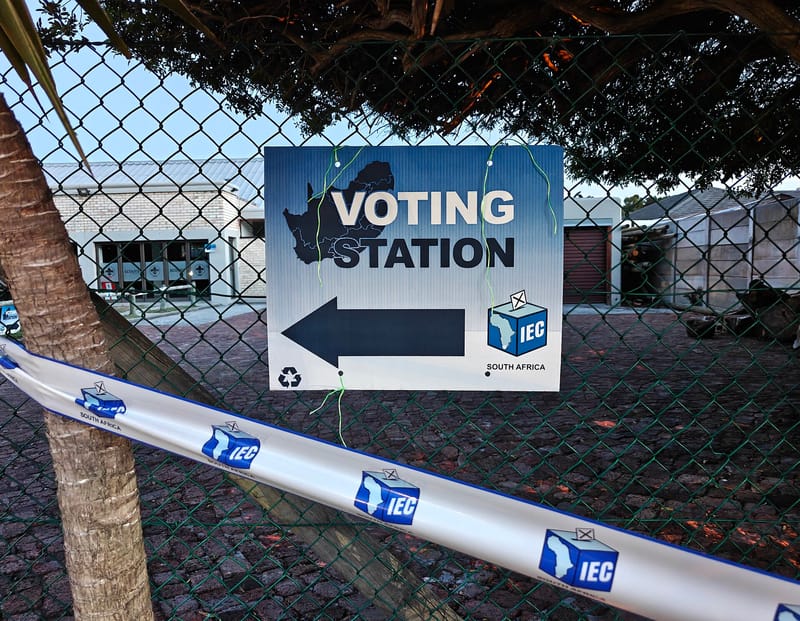
South Africans vote in local elections as polls point to further ANC losses
South Africa held municipal elections on 4 November 2026, with polls suggesting that the African National Congress would fall below its 2021 result amid frustration over public services.
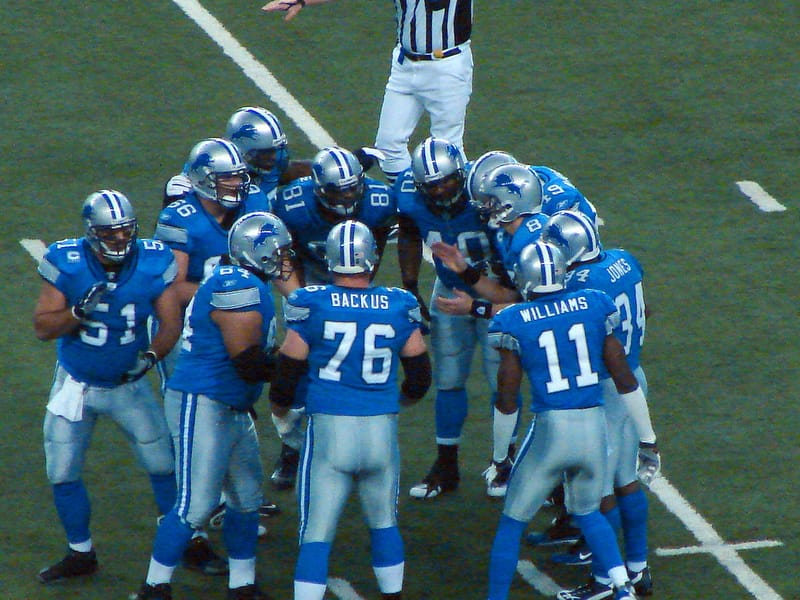
Lions linebacker Jack Campbell says he has full lower-body movement after neck injury
Campbell, who remained in hospital on 4 November 2026, said in a statement that he is also making progress with movement in his upper body after being injured during a game on 1 November.
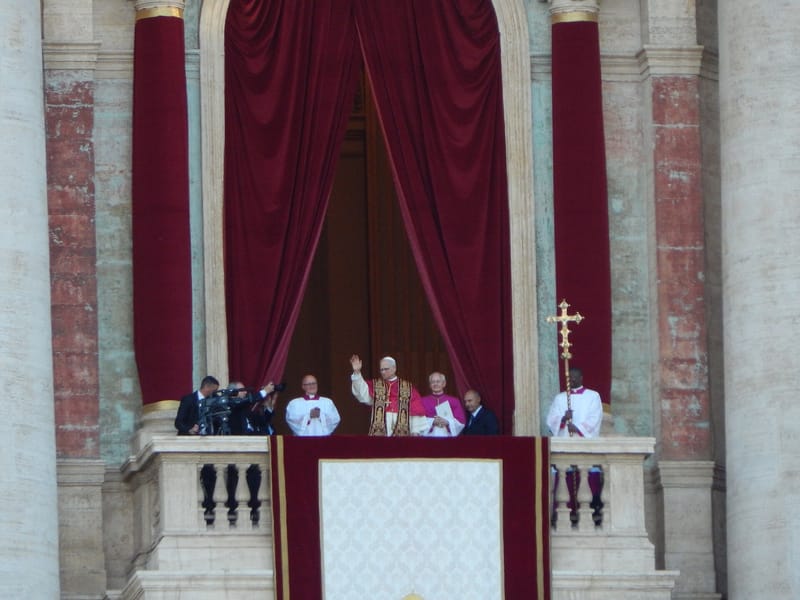
Bob Dylan and Pope Leo XIV exchange gifts in brief Vatican meeting
The singer met the pope on Wednesday during his concert dates in Italy, receiving a rosary and presenting a copy of his autobiography.
Comments