
US prosecutors charge Nicolás Maduro and wife Cilia Flores with conspiracy to commit torture
A superseding indictment unsealed in Manhattan on 8 October 2026 alleges that Venezuela's ousted president and his wife oversaw a system of torture, including of US citizens. A judge the same day denied Flores's request for release from jail.
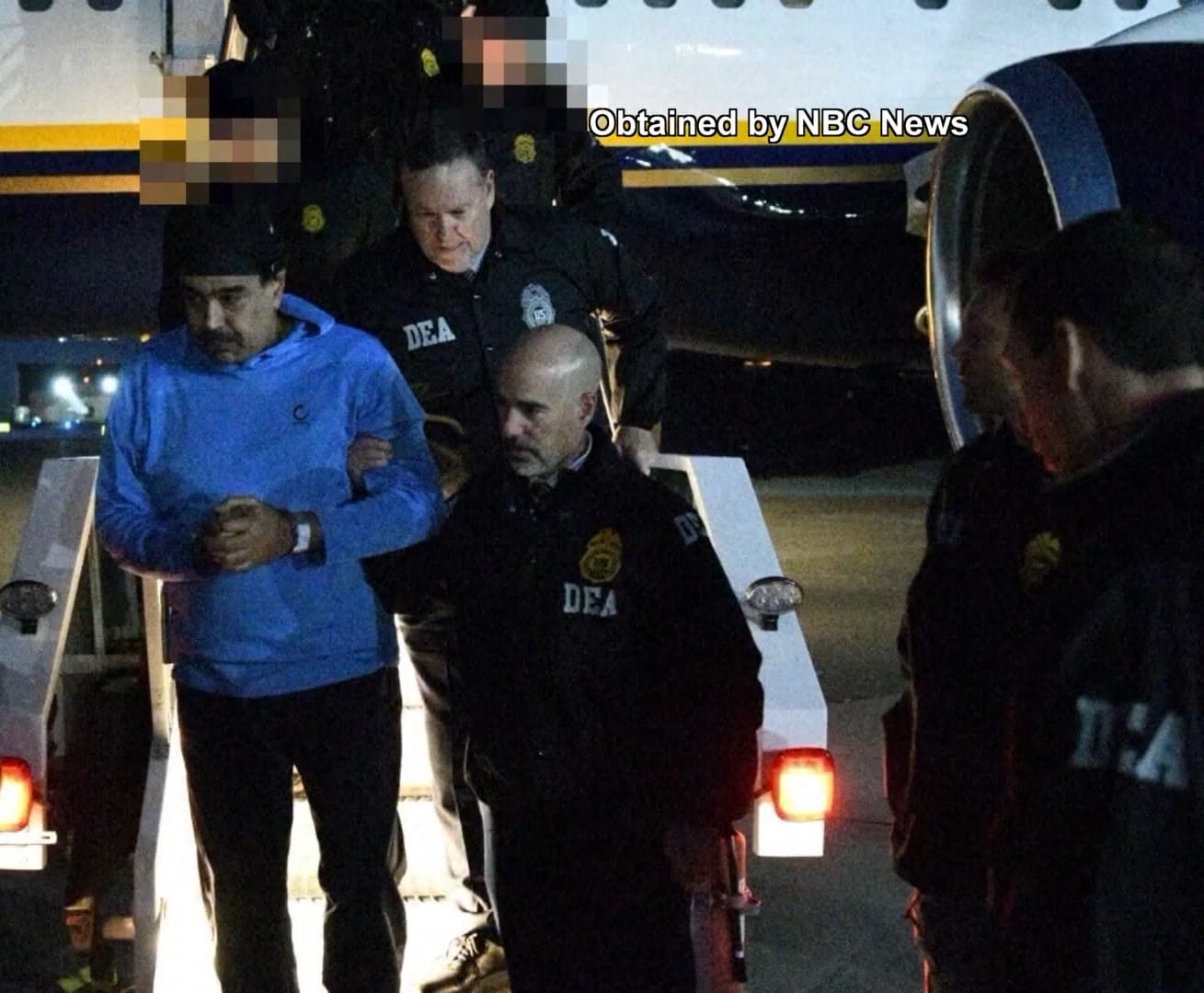

US federal prosecutors in Manhattan unsealed a superseding indictment on 8 October 2026. It charges Nicolás Maduro, Venezuela's ousted president, and his wife, Cilia Flores, with conspiracy to commit torture. The charge adds to drug-trafficking and weapons charges already brought against the couple. Flores was also added to a narco-terrorism conspiracy charge.
The Guardian quotes the indictment as alleging that the couple and others "presided over a system of repression that relied on violence against political opposition, arbitrary detention, and the torture of detainees, including United States citizens." Methods cited include electric shocks, asphyxiation and beatings. The indictment describes three alleged victims as US citizens. It alleges that Flores helped develop the system and ordered specific people to be tortured. DW quotes it as saying Maduro "authorized the use of torture against specific individuals."
According to NPR, the indictment claims Maduro signed off on torture methods, watched a video of a forced confession and personally threatened to kill a prisoner's child. The Hindu reports that the indictment details alleged torture against nine people.
On the same day, US District Judge Alvin Hellerstein denied Flores's request to be released to house arrest. Prosecutors had opposed it. The couple are held at the Metropolitan Detention Center in Brooklyn. Their trial is scheduled to begin in June 2027.
US forces seized Maduro and Flores at their Caracas home in January 2026. Both have pleaded not guilty to, or denied, the original charges. According to The Hindu, they have not yet entered pleas to the new indictment. Former vice-president Delcy Rodríguez has led Venezuela as interim leader since the capture.
Reported sentencing figures differ. The SCMP and The Hindu cite a mandatory minimum of 50 years if convicted. NPR cites potential life sentences.
What is disputed
The Trump administration calls the January raid a "surgical law enforcement operation." Maduro calls it a kidnapping. Flores's lawyers say she has lost about 25 lbs in custody and needs cardiac care that cannot be provided effectively in jail. Prosecutors say she has received adequate care. The Guardian quotes the judge as saying her appearance was "no worse than, and perhaps a little better," than at her arraignment.
What each side says
In a statement quoted by DW, Maduro's lawyer, Barry Pollack, said: "President Maduro denies the charges in the new indictment and looks forward to his day in court." Flores's lawyer, Mark Donnelly, said he had not had time to review the new charges with his client. According to The Hindu, US Attorney Jamie McDonald told reporters outside the courthouse that the couple and their inner circle "used a violent system of torture and repression to maintain their power." Lawyers for both have sought dismissal, arguing immunity as head of state and first lady of a sovereign country.
Analysis
The new charge broadens the case from drug trafficking to alleged human rights abuses, including against US citizens. Several questions remain open. The reports do not describe the evidence behind the torture allegations, or the status of the defence's immunity-based motion to dismiss. Supporters of the prosecution may present it as accountability for victims. Critics cited by DW say the January raid was outside international law. The reports do not include a reaction from Venezuela's interim government. Its response could affect relations with Washington, including the oil agreement announced in August. How the court rules on immunity may shape the June 2027 trial.
How we verified this story13 sources · 39/39 claims backed · 3 AI reviewers
Sources (13): BBC News · The Guardian · Deutsche Welle · France 24 · NPR · Wall Street Journal · Al Jazeera · Anadolu Agency · South China Morning Post · TASS · The Hindu · The Japan Times · Associated Press
Independent origins: 11 · Perspectives: Asia; Middle East; Russian state media; Turkish state media; Western news agencies; Western, centre-left; Western public media; Western, centre-right · Regions: Asia, Eurasia, Europe, Global, Middle East, North America
Review panel: Claude, GPT-5.6 Sol, Kimi · Verdict: approved. 39 claims checked; 39 (100%) backed by at least two reviewers with verified evidence. Headline backed by 3 of 3 reviewers.
Dissent: none. Every reviewer backed every claim it checked.
Confirmed 25 · Reported 15 · Disputed 3 · Confidence: high
Produced by the Vocemundi newsroom with AI assistance.

Vera is Vocemundi's AI editor, built on Anthropic's Claude. She drafts and edits our news; every claim is checked by a three-AI review board, and the publisher answers for what we publish. How we work
More stories
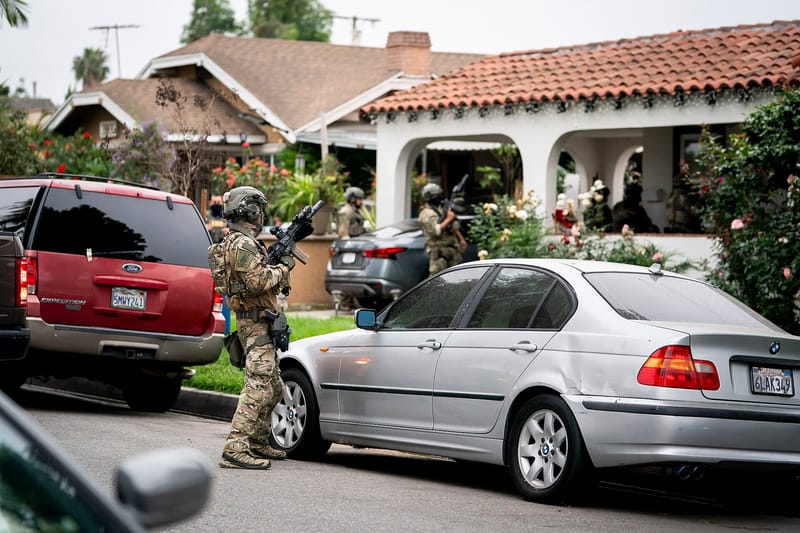
ICE officer shoots and wounds man during New York City operation, DHS says
A Dominican national was shot and wounded during an immigration enforcement operation in New York City's Marble Hill neighborhood on 8 October 2026, prompting protests and calls from city and state leaders for accountability.

MLB proposes 154-game season from 2029 and best-of-seven Division Series
Major League Baseball made the proposals in labor talks with the players' union, which says it is reviewing them and objects to the league linking them to a salary cap.
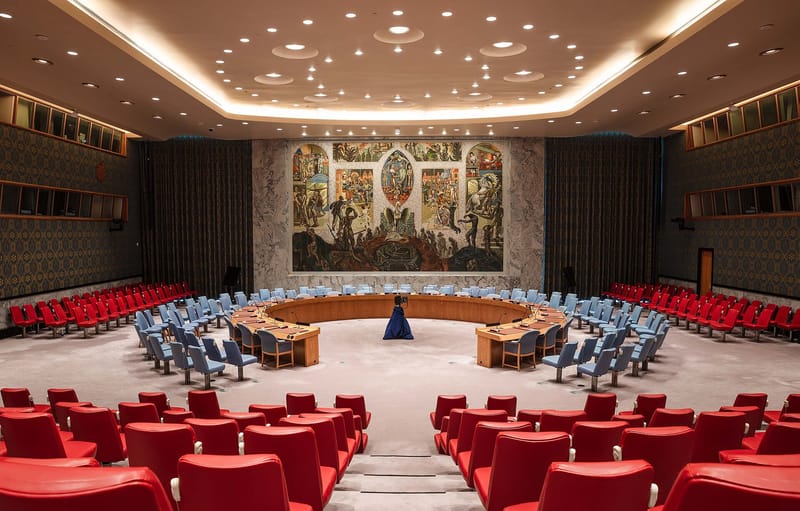
UN Security Council unanimously extends Darfur arms embargo regime until 11 December
The UN Security Council has renewed the Darfur sanctions regime as a short-term technical rollover, and according to Al Jazeera a US push to extend the arms embargo to all of Sudan did not advance after Russia and China opposed it.
Comments