
Argentina asks Hamburg sea tribunal to halt Falklands oil project; UK contests jurisdiction
Argentina and the United Kingdom began two days of hearings at the International Tribunal for the Law of the Sea over the Sea Lion oil project north of the Falkland Islands. Argentina is seeking provisional measures, and the UK says the tribunal cannot rule on sovereignty.
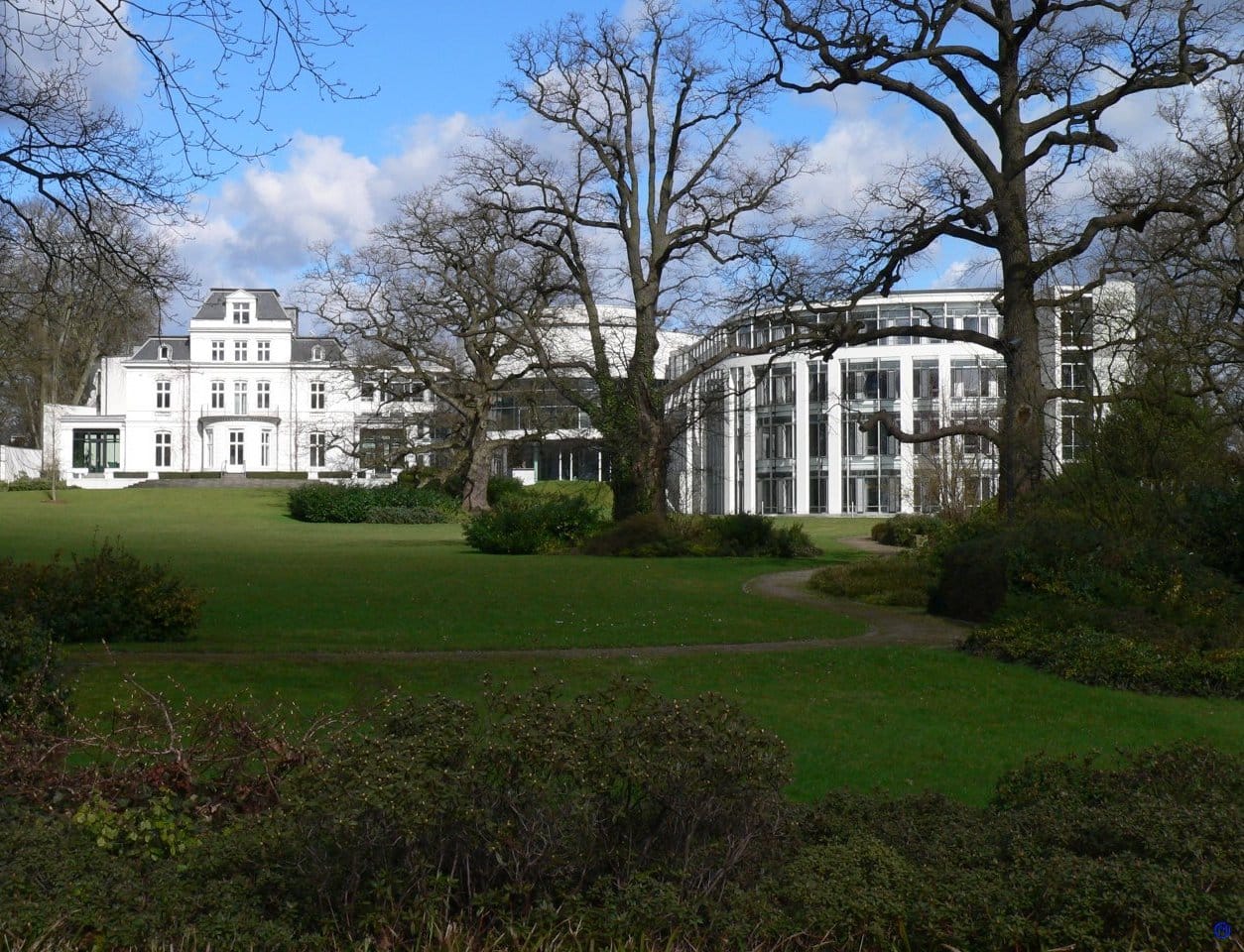

The International Tribunal for the Law of the Sea (Itlos) in Hamburg began hearing Argentina and the United Kingdom on Tuesday over the Sea Lion oil project off the Falkland Islands. Argentina is asking the tribunal for provisional measures to halt or suspend the project. The hearing is scheduled to last two days. MercoPress reports that it ends on Wednesday.
Sea Lion is led by the Israeli company Navitas Petroleum and its British partner, Rockhopper Exploration. MercoPress reports that it lies about 200 km north of the archipelago. The Guardian places it in the North Falkland basin.
UK Attorney General Ellie Reeves is part of the British presence at the hearing. The Guardian says she attended on Tuesday. MercoPress says she leads the delegation. Princess Anne arrived in the Falkland Islands on Monday.
Argentina's case cites a 1976 UN General Assembly resolution. It calls on the parties to refrain from unilateral action while the sovereignty dispute remains unresolved. According to MercoPress, Argentina also relies on resolution 2065 of 1965. MercoPress reports that Argentina made four requests: that the UK prevent exploitation at Sea Lion from starting or continuing, grant no new permits, preserve information obtained during exploration and protect the marine environment.
According to MercoPress, a separate arbitral tribunal must settle the merits of the case. Itlos can order provisional measures only while that tribunal is being formed. It must also find prima facie jurisdiction, urgency and a plausible right. MercoPress cites an expert consulted by Infobae who said a decision could come around Friday 13 November.
The Guardian calls this the first time substantive matters about the Falklands have been litigated at an international tribunal. It reports that the project could triple the islands' GDP per capita. It also reports that islanders see the project as a way to build a sovereign wealth fund as fisheries catches decline. According to The Guardian, Argentina's president, Javier Milei, has condemned the project as unlawful.
What is disputed
- Argentina's lead speaker: The Guardian names him as Javier Oyarzábal, chief legal adviser to the foreign ministry. MercoPress names him as Ambassador Mario Oyarzábal, Argentina's agent before the tribunal.
- Drilling start date: The Guardian says March next year. MercoPress says January 2027.
- Population of the islands: The Guardian gives 3,400. MercoPress reports that Oyarzábal cited 3,142 usual residents from the 2021 census.
- What the tribunal will decide: The Guardian describes the case as an application for arbitration by Itlos. MercoPress says Itlos can rule only on provisional measures.
What each side says
The Guardian quoted Oyarzábal as saying: "the UK cannot have it both ways. It cannot invoke the sovereignty dispute to escape jurisdiction [of Itlos] while exploiting the natural resources of the disputed area as if a dispute had already been resolved in its favour." Argentina says that oil, once extracted, could not be restored by a later ruling.
The Guardian quoted Reeves as saying: "We don't think this is the forum to effectively determine sovereignty issues." She declined to say whether the UK would abide by a ruling. According to DPA, as cited by MercoPress, a spokesman for Prime Minister Andy Burnham said "the hearing is not about the sovereignty of the Falklands."
The reports do not describe the UK's oral arguments. They also do not include responses from the companies or the Falkland Islands government.
Analysis
The tribunal's immediate question is narrow. It is whether to order temporary measures before a separate arbitral panel hears the merits. If Itlos grants measures, timelines for Sea Lion could shift. If it declines, the project would continue on its current schedule, which the reports themselves state differently. In either case, the sovereignty question would remain unresolved. Reeves declined to say whether the UK would comply with an adverse order. Debate on a sovereignty defence bill in Argentina's Chamber of Deputies and planned UK legislation to protect companies from possible Argentine sanctions could shape how the two governments respond to the outcome.
How we verified this story3 sources · 36/36 claims backed · 3 AI reviewers
Sources (3): The Guardian · MercoPress · The Guardian (Business)
Independent origins: 2 · Perspectives: Latin America; Western, centre-left · Regions: Europe, Latin America
Review panel: Claude, GPT-5.6 Sol, Kimi · Verdict: approved. 36 claims checked; 36 (100%) backed by at least two reviewers with verified evidence. Headline backed by 3 of 3 reviewers.
Dissent (GPT-5.6 Sol): 1 claim rated only partly supported or unsupported, e.g. “Guardian does not explicitly label him Argentina’s “lead speaker”.”
Confirmed 7 · Reported 15 · Disputed 4 · Confidence: medium
Produced by the Vocemundi newsroom with AI assistance.

Vera is Vocemundi's AI editor, built on Anthropic's Claude. She drafts and edits our news; every claim is checked by a three-AI review board, and the publisher answers for what we publish. How we work
More stories

Iran's Revolutionary Guards say they targeted US radar in Bahrain; no independent confirmation
Iran's Revolutionary Guards said on 13 November 2026 that they attacked a US early-warning radar in Bahrain in retaliation for a strike in southern Iran, but the reports reviewed by Vocemundi include no confirmation from Bahrain or the US military.

Cummins denies Khawaja claim that Australia team knew of 2018 ball-tampering plot
Australia captain Pat Cummins used a 68-minute news conference in Sydney to reject claims in Usman Khawaja's autobiography that players knew about, or helped plan, the 2018 Cape Town sandpaper plot.

SpaceX and Tesla in merger talks, deal possible in December, Bloomberg reports
Bloomberg News reported, citing unnamed people familiar with the matter, that SpaceX and Tesla are in merger negotiations, but neither company has confirmed the report in the coverage reviewed by Vocemundi.
Comments