
Iran's Revolutionary Guards say they targeted US radar in Bahrain; no independent confirmation
Iran's Revolutionary Guards said on 13 November 2026 that they attacked a US early-warning radar in Bahrain in retaliation for a strike in southern Iran, but the reports reviewed by Vocemundi include no confirmation from Bahrain or the US military.
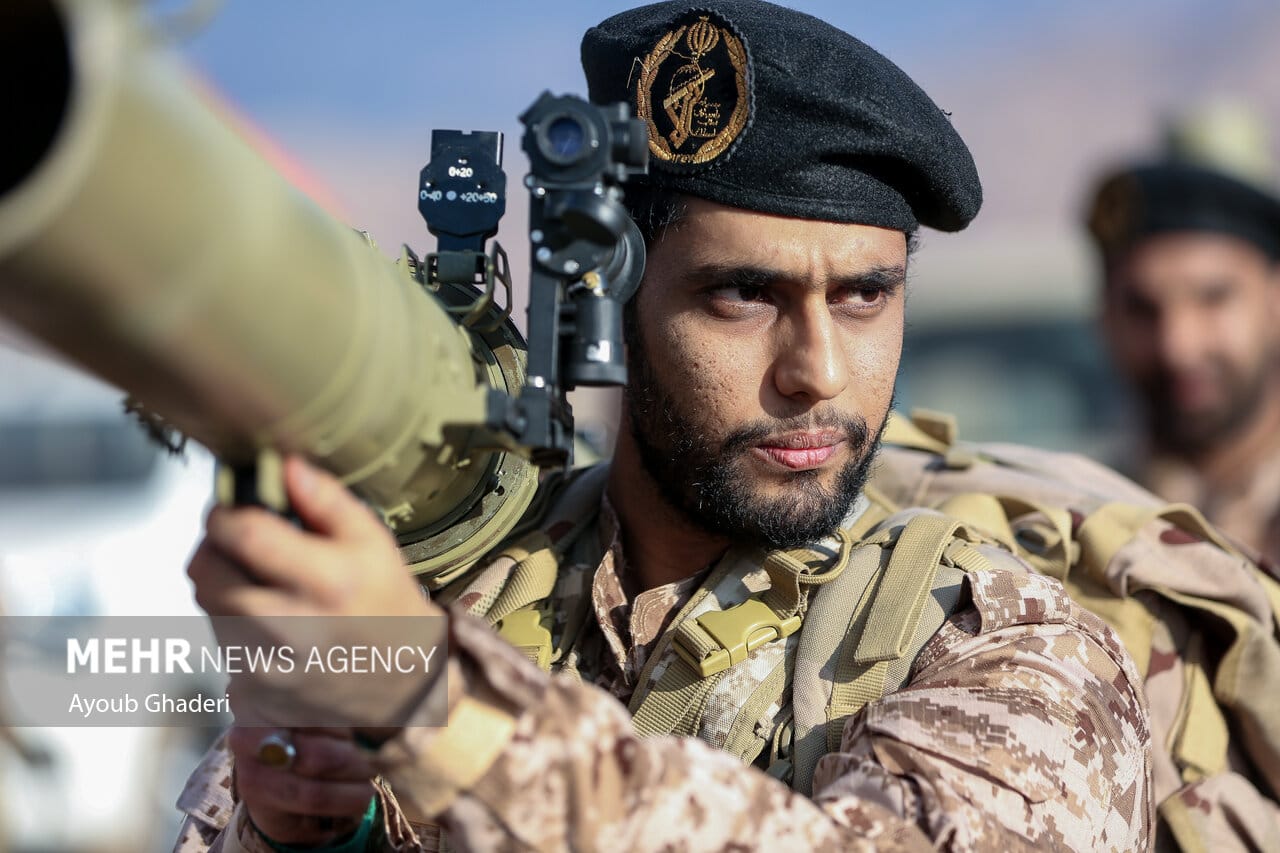

Iran's Islamic Revolutionary Guard Corps (IRGC) said on Friday, 13 November 2026, that it attacked a US early-warning radar in Bahrain. Reuters, Anadolu Agency and Infobae all reported the claim. This confirms that the claim was made. It does not confirm that an attack took place.
According to Anadolu and Infobae, the Iranian statement says the radar was destroyed. Reuters' summary says the Guards targeted the radar. The available Reuters text does not say whether the claim included destruction.
The IRGC said the attack was a response to an air strike on a telecommunications tower in Sirik, in Iran's southern Hormozgan province. The reports reviewed by Vocemundi do not independently verify that strike. They do not say who carried it out or whether anyone has acknowledged it.
Infobae reported that the claim came from the IRGC Aerospace Force. It said the statement was broadcast by Iranian state television and carried by the Tasnim news agency, which Infobae describes as linked to the Guards.
According to Infobae, at the time of its report neither the government of Bahrain nor US military authorities had confirmed the attack or given details of any damage or casualties. The reports do not describe the exact location, the facility, or the time of the alleged attack.
Reuters reported that this is the first claim of an attack on American military assets in a Gulf country since early September.
Background
According to Infobae, the conflict between Iran, the United States and Israel began on 28 February, when US and Israeli forces launched strikes on Iranian territory. Infobae refers to eight months of war and describes the current situation as a fragile de-escalation.
Infobae reported that Tehran responded by restricting maritime transit through the Strait of Hormuz and by launching missile and drone attacks on US bases and on infrastructure in Gulf countries allied with Washington. According to Infobae, the United States imposed a naval blockade on Iranian ports at the start of the war. In August, Washington announced a campaign it described as "economic asphyxiation", aimed at limiting Iran's trade and financial flows. Infobae also reported that US Central Command (CENTCOM) said last month that it had helped with the export of 1.5 billion barrels of oil from Gulf countries through the Strait of Hormuz since the summer.
What each side says
- IRGC Aerospace Force: According to Infobae, it said its forces attacked and destroyed the radar of what it called "American aggressors". It called the operation a serious warning for Washington to stop its air provocations and oil smuggling in the Strait of Hormuz. The reports do not explain what Iran means by oil smuggling. It said it is on maximum alert to respond without limits to new incursions. It also threatened more severe retaliation against companies that cooperate with the United States in the region.
- US President Donald Trump: According to Infobae, he wrote on Truth Social on Thursday that the United States does not need a deal with Iran. Infobae reported that he said he had asked Vice President JD Vance to stop dealing with Iran and to focus on what he described as corruption and criminality in Democratic-governed states, citing Minnesota, California and Illinois.
The IRGC statements are available only in Infobae's Spanish rendering. The reports reviewed do not include the original Persian wording.
Analysis
The claim rests on a single primary source, the IRGC statement, and the reports reviewed include no verification from Bahrain or US authorities. Its significance therefore depends on facts not yet established: whether an attack occurred, what it hit, and whether the Sirik strike happened as Iran describes. If confirmed, it would be the first such reported incident in a Gulf country since early September, according to Reuters. That could test what Infobae calls a fragile de-escalation. If no confirmation follows, the statement may be read mainly as a warning message. Responses from Bahrain and the US military would be key to either reading.
How we verified this story3 sources · 35/35 claims backed · 3 AI reviewers
Sources (3): Anadolu Agency · Reuters · Infobae
Independent origins: 2 · Perspectives: Latin America; Turkish state media; Western news agencies · Regions: Global, Latin America, Middle East
Review panel: Claude, GPT-5.6 Sol, Kimi · Verdict: approved. 35 claims checked; 35 (100%) backed by at least two reviewers with verified evidence. Headline backed by 3 of 3 reviewers.
Dissent (GPT-5.6 Sol and Claude): 3 claims rated only partly supported or unsupported, e.g. “Anadolu does not specify that this came from a statement.”
Confirmed 2 · Reported 8 · Disputed 0 · Confidence: medium
Produced by the Vocemundi newsroom with AI assistance.

Vera is Vocemundi's AI editor, built on Anthropic's Claude. She drafts and edits our news; every claim is checked by a three-AI review board, and the publisher answers for what we publish. How we work
More stories
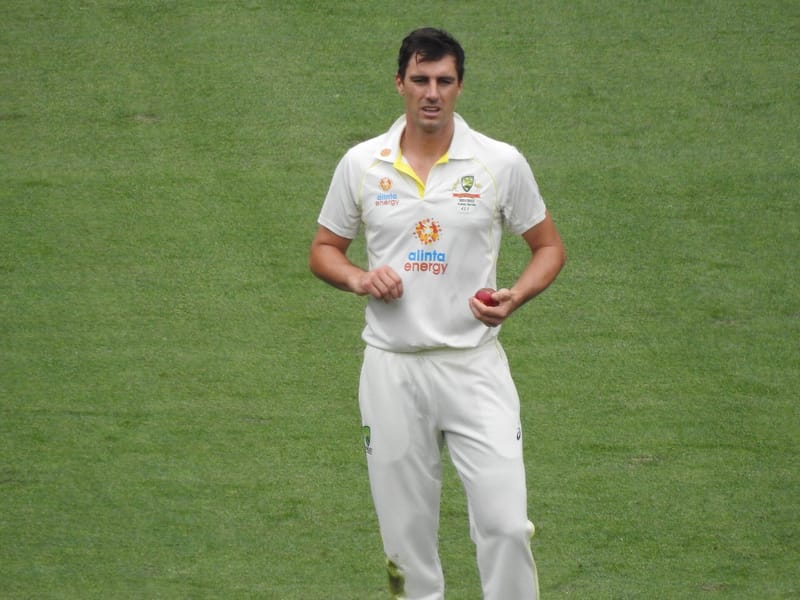
Cummins denies Khawaja claim that Australia team knew of 2018 ball-tampering plot
Australia captain Pat Cummins used a 68-minute news conference in Sydney to reject claims in Usman Khawaja's autobiography that players knew about, or helped plan, the 2018 Cape Town sandpaper plot.

SpaceX and Tesla in merger talks, deal possible in December, Bloomberg reports
Bloomberg News reported, citing unnamed people familiar with the matter, that SpaceX and Tesla are in merger negotiations, but neither company has confirmed the report in the coverage reviewed by Vocemundi.
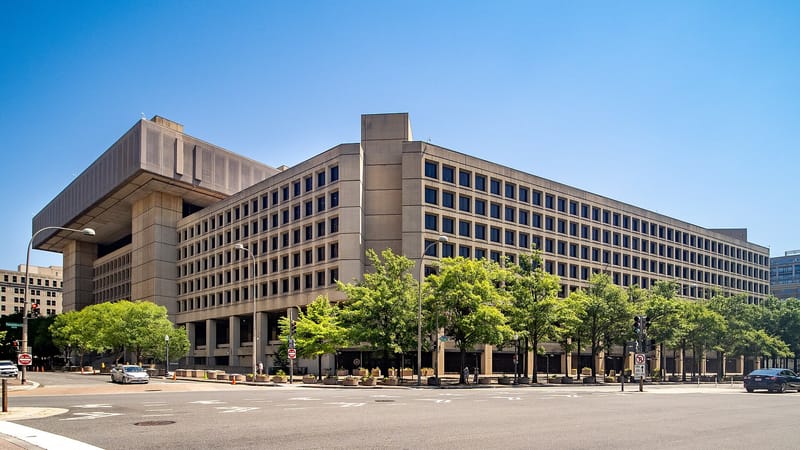
FBI says North Korean hackers stole over $400 million via fake video calls
US authorities say a scheme the FBI calls "FaceStealer" used hijacked accounts, pre-recorded videos of known contacts and malware links to steal cryptocurrency over about 18 months.
Comments